
 is a member
of
is a member
of 

Articles

|
When nature turns deadly: A look at Abrin
The naturally occurring toxin, abrin, is classified as one of the most potent poisons for humans. Abrin is lethal at minimal concentrations. However, till date there are no known antidotes which can reverse its effects. This month’s artwork focuses on this unique toxin. A detailed look at the… |

|
Amyloid-Beta: Unravelling the Alzheimer’s Enigma
Alzheimer's disease is a neurological condition that gradually deteriorates memory and cognitive abilities. It was estimated that over 55 million people worldwide were living with Alzheimer's disease or other dementias in 2020. A major contributor to this disease is the amyloid-beta (Aβ) peptide. |

|
From force to function
Our senses guide our interactions with the world and determine how we act and communicate. But what about these sensations at a molecular level? How do proteins respond to these physical stimuli to impact biological processes? |

|
Orange trees and their ‘brain-shaped’ protein
Lovely lemons, tasty oranges, refreshing limes - these juicy fruits grow on citrus trees that, like all plants, must sense their environment and respond. |

|
Histamine: A molecular double agent
Histamine defends our immune system against infections but can also cause allergy symptoms. It has unique characteristics, making it both a friend and a foe. Interested in learning more about this fascinating molecule and its intriguing dual nature? |

|
Serotonin: A ruffling of feathers
Our mental health is a result of a complex interplay between environmental and biological factors. This month, we are highlighting the role of proteins in the development of mental health conditions. |

|
The battle within that keeps us alive
An infection caused by pathogens, such as viruses, bacteria, parasites, or fungi, can be seen as a battle between the invading pathogen and our body. The role of the immune system is to protect us against disease or invading threats. |
|
DNA: Nature’s own director of Life
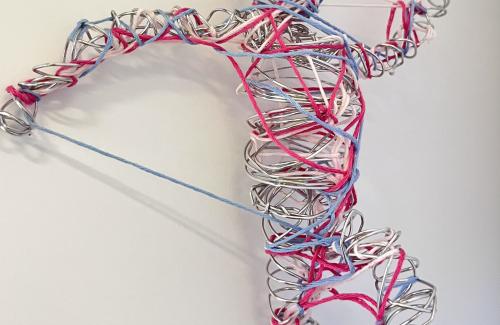
Survival of all life forms on the earth depends on the instructions embedded in nucleic acids (DNA/RNA). This month’s artwork captures how fundamental DNA is to lifeforms. The artist used wire and string to represent a human form generated by DNA-like spirals. Do you know the race behind DNA… |

|
Snowdrop lectins
Galanthus nivalis, commonly known as snowdrops, are not just pretty Spring heralds. Did you know that they produce a lectin so toxic for insects that it's used in genetically modified vegetables to give 'resistance to aphids? They also produce a substance used for treating Alzheimer's disease. |

|
The secret of the old books’ nice smell…
The “vanilla” flavour is one of the most loved. In fact, up to 75% of the 18,000 tons yearly production of vanillin is used in sweet foods such as ice cream and chocolate. So how is it made? And why do old books smell of hints of vanilla? |

|
Blowing bubbles on the intracellular highway
If we looked at our own cells under a microscope, we might be surprised to find they are folding their own membranes inward and ‘blowing bubbles’ internally. This is a key method for transporting nutrients and hormones through the cell’s surrounding membrane to its needed location. |
|
A molecular switch for fluorescence
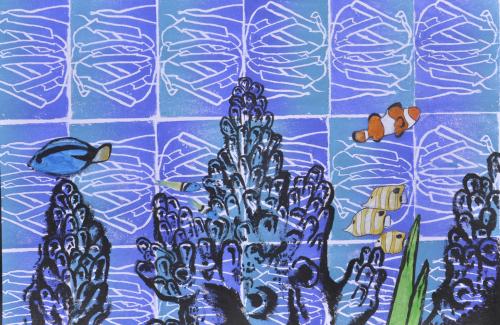
Like the coral in our warming seas, some colourful proteins can be bleached in harsh environmental conditions - but thankfully, this colour can return if we get the conditions right. |