Exodeoxyribonuclease (lambda-induced)
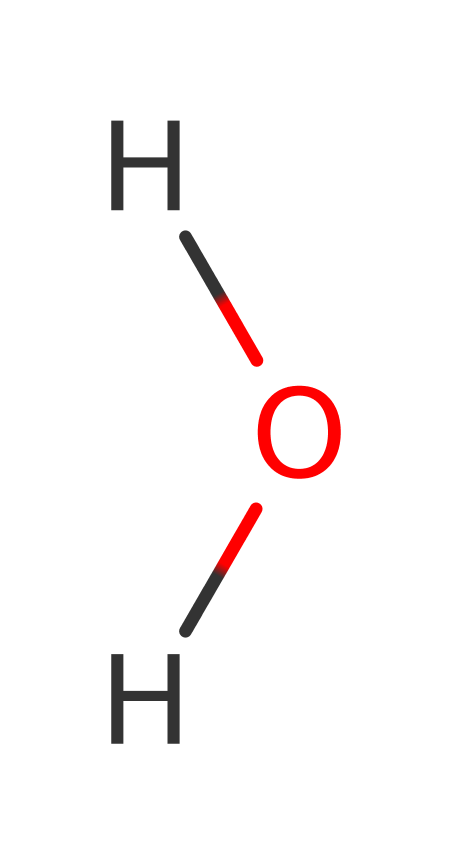
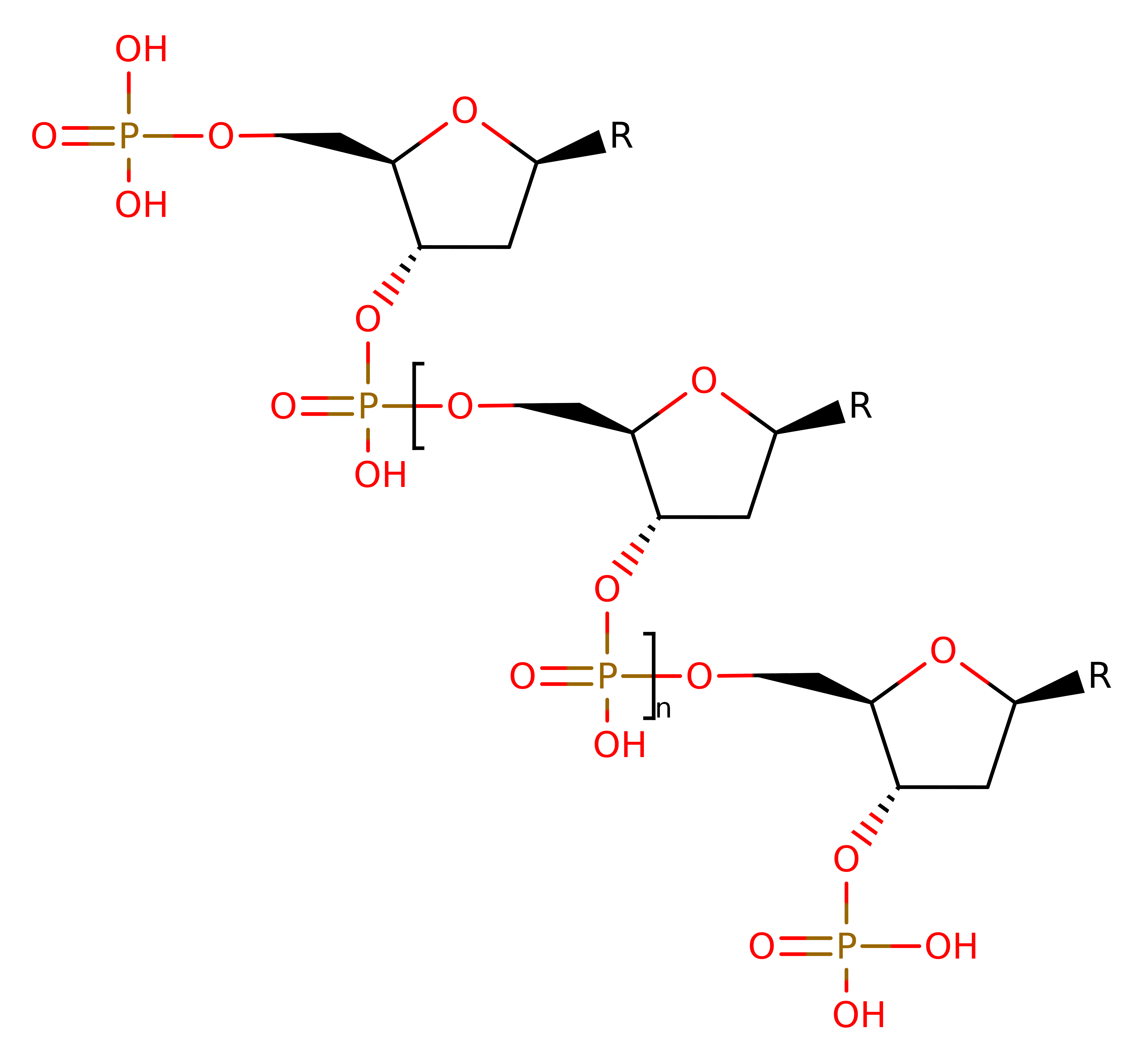
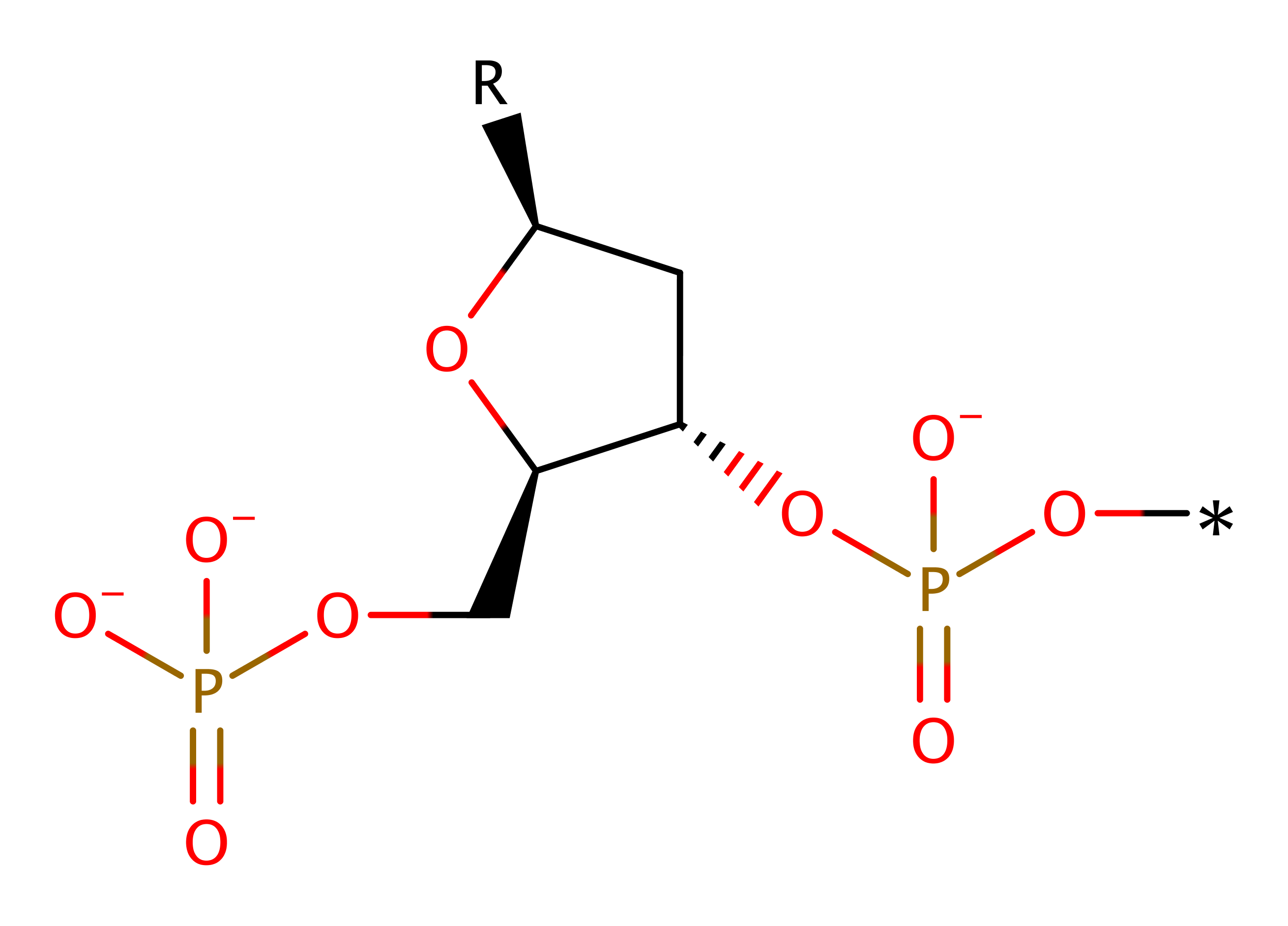
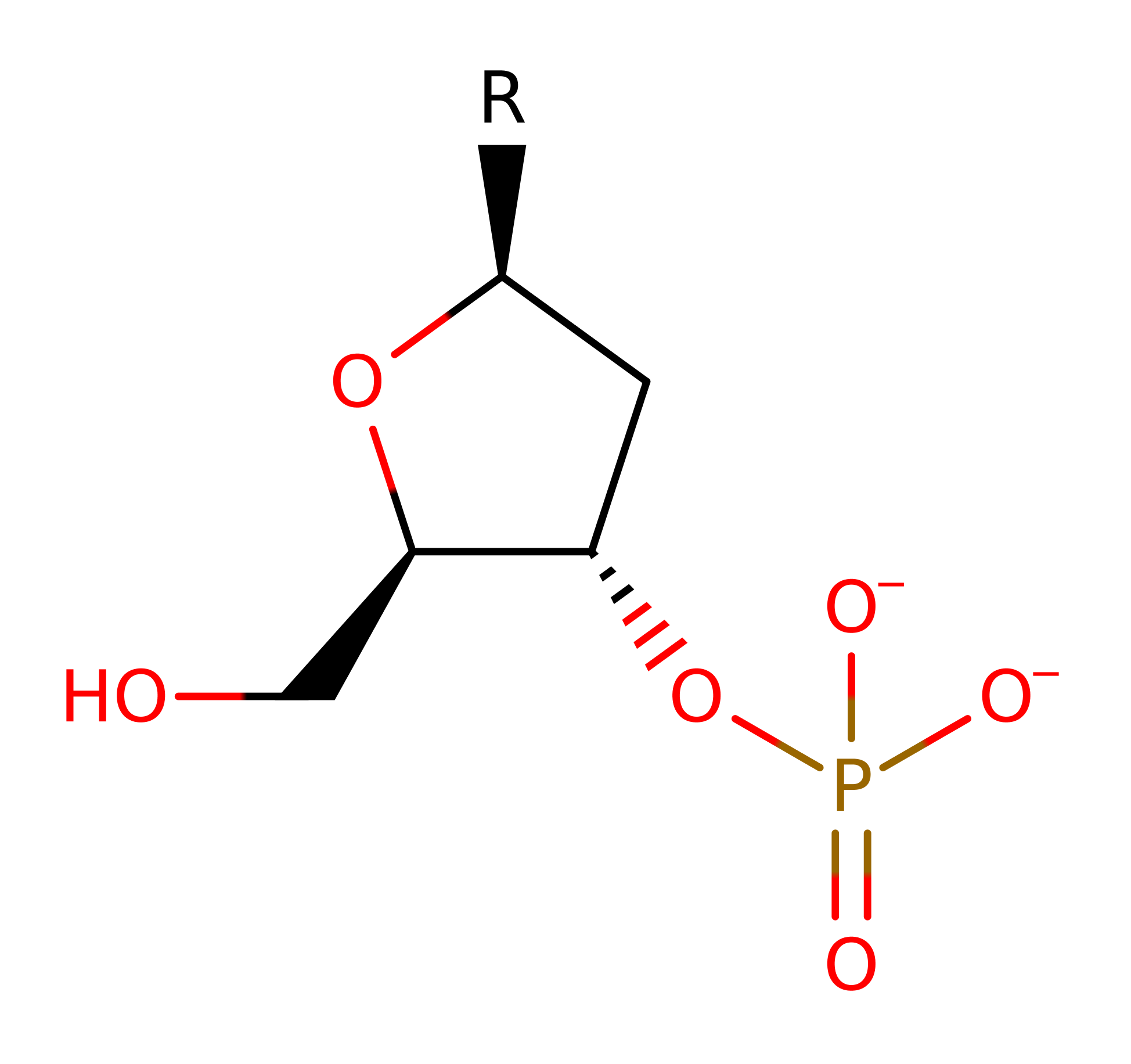
Lambda-exonuclease from Bacteriophage lambda is a 5'->3' exonuclease. It catalyses the hydrolysis of one strand of double stranded DNA in a 5' to 3' direction, leaving single stranded DNA. This is involved in DNA replication, recombination and repair. Once started on a reaction, lambda-exonuclease will continue to hydrolyse until either the DNA strand ends, or the enzyme dissociates into monomers.
Reference Protein and Structure
- Sequence
-
P03697
 (3.1.11.3)
 (Sequence Homologues)
(PDB Homologues)
(Sequence Homologues)
(PDB Homologues)
- Biological species
-
Escherichia virus Lambda (Virus)
- PDB
-
1avq
- TOROIDAL STRUCTURE OF LAMBDA EXONUCLEASE DETERMINED AT 2.4 ANGSTROMS
(2.4 Å)



- Catalytic CATH Domains
-
3.90.320.10
 (see all for 1avq)
- Cofactors
- Magnesium(2+) (3)
Enzyme Reaction (EC:3.1.11.3)



Enzyme Mechanism
Introduction
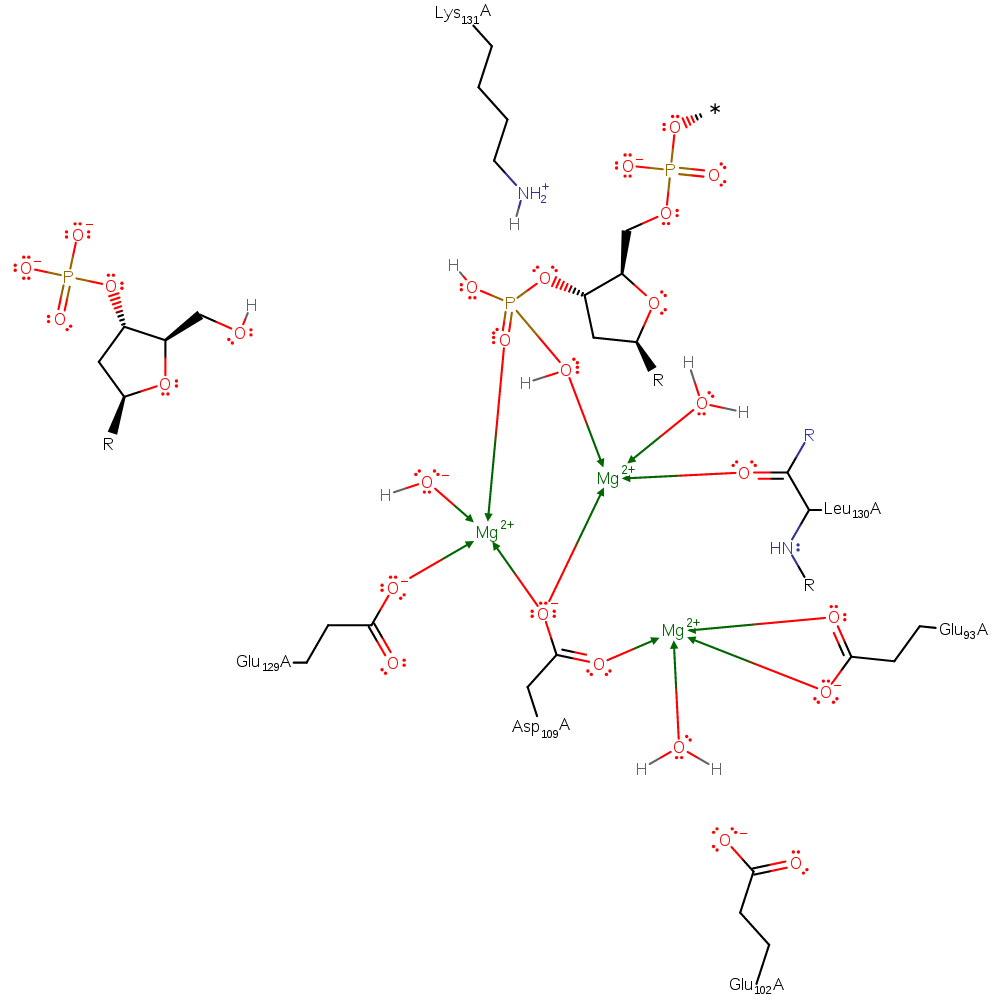
The three-metal mechanism of EcoRV is the most likely mechanism for lambda-exonuclease. This is a dissociative hydrolysis mechanism where the O-P bond is broken before the nucleophilic of water upon the phosphate. The dissociation of the O-P bond is facilitated by protonation from a magnesium activated water molecule. And the nucleophilic attack is facilitated by Glu129 deprotonating a second water promoting the attack.
Catalytic Residues Roles
| UniProt | PDB* (1avq) | ||
| Glu129 | Glu129(131)A | Activates the nucleophilic water | increase nucleophilicity, metal ligand, proton acceptor, proton donor |
| Asp109, Glu129, Glu93, Leu130 (main-C) | Asp109(111)A, Glu129(131)A, Glu93(95)A, Leu130(132)A (main-C) | Involved in coordinating the magnesium ions | metal ligand |
| Glu102 | Glu102(104)A | Stabilizes a water molecule which coordinates the magnesium ion | electrostatic stabiliser |
| Lys131 | Lys131(133)A | Stabilizes the nucleophilic water so its in the correct orientation to perform a nucleophilic attack | electrostatic stabiliser |
Chemical Components
proton transfer, overall reactant used, overall product formed, heterolysis, bimolecular nucleophilic addition, native state of enzyme regenerated, proton relayReferences
- Kovall RA et al. (1999), Curr Opin Chem Biol, 3, 578-583. Type II restriction endonucleases: structural, functional and evolutionary relationships. DOI:10.1016/s1367-5931(99)00012-5. PMID:10508668.
- Imhof P et al. (2009), Biochemistry, 48, 9061-9075. Catalytic mechanism of DNA backbone cleavage by the restriction enzyme EcoRV: a quantum mechanical/molecular mechanical analysis. DOI:10.1021/bi900585m. PMID:19678693.
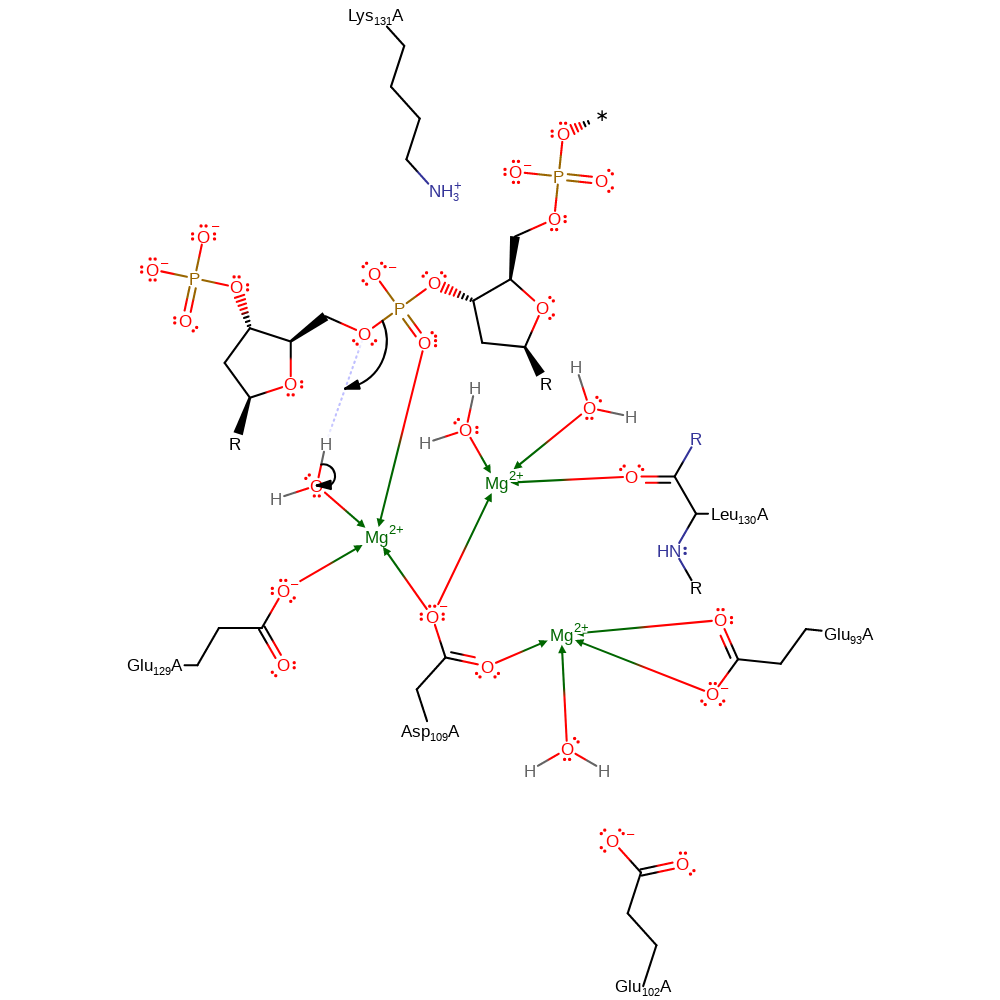
Step 1. A magnesium activated water molecule donates a proton to the 5' hydroxyl group promoting its dissociation from the phosphate.
Download: Image, Marvin FileCatalytic Residues Roles
| Residue | Roles |
|---|---|
| Lys131(133)A | electrostatic stabiliser |
| Glu93(95)A | metal ligand |
| Asp109(111)A | metal ligand |
| Glu129(131)A | metal ligand |
| Leu130(132)A (main-C) | metal ligand |
| Glu102(104)A | electrostatic stabiliser |
Chemical Components
proton transfer, overall reactant used, overall product formed, heterolysis
Step 2. Glu129 rotates to become closer to a second water molecule. It then deprotonates the water molecule allowing the water to perform a nucleophilic attack on the phosphate. Lys131 is thought to be responsible for orientating the water molecule for nucleophilic attack.
Download: Image, Marvin FileCatalytic Residues Roles
| Residue | Roles |
|---|---|
| Glu93(95)A | metal ligand |
| Asp109(111)A | metal ligand |
| Glu129(131)A | metal ligand |
| Leu130(132)A (main-C) | metal ligand |
| Glu102(104)A | electrostatic stabiliser |
| Glu129(131)A | increase nucleophilicity |
| Lys131(133)A | electrostatic stabiliser |
| Glu129(131)A | proton acceptor |
Chemical Components
ingold: bimolecular nucleophilic addition, proton transfer
Step 3. Glu129 donates a proton to a phosphate oxygen regenrating the residue in its native state.
Download: Image, Marvin FileCatalytic Residues Roles
| Residue | Roles |
|---|---|
| Glu93(95)A | metal ligand |
| Asp109(111)A | metal ligand |
| Glu129(131)A | metal ligand |
| Leu130(132)A (main-C) | metal ligand |
| Glu102(104)A | electrostatic stabiliser |
| Lys131(133)A | electrostatic stabiliser |
| Glu129(131)A | proton donor |
Chemical Components
proton transfer, native state of enzyme regenerated
Step 4. The leaving group hydroxyl acts as a proton relay deprotonating the phosphate group and protonating the metal coordinated hydroxide ion.
Download: Image, Marvin FileCatalytic Residues Roles
| Residue | Roles |
|---|---|
| Glu93(95)A | metal ligand |
| Asp109(111)A | metal ligand |
| Glu129(131)A | metal ligand |
| Leu130(132)A (main-C) | metal ligand |
| Glu102(104)A | electrostatic stabiliser |
| Lys131(133)A | electrostatic stabiliser |
Chemical Components
proton relay, overall product formed Download:
 Introduction
In this associative mechanism Glu129 activates a water molecule for nucleophilic attack on the scissile phosphate. A penta-covalent intermediate is formed which collapses to form the products and restore the enzyme to its native state. See other mechanism for the references.
Catalytic Residues Roles
| UniProt | PDB* (1avq) | ||
| Glu129 | Glu129(131)A | Activates the water molecule for nucleophilic attack by deprotonating it. | metal ligand, proton acceptor, proton donor |
| Asp109, Glu93, Leu130 (main-C) | Asp109(111)A, Glu93(95)A, Leu130(132)A (main-C) | Coordinate the magnesium ion. | metal ligand |
| Glu102 | Glu102(104)A | Stabilizes a magnesium coordinating water molecule. | electrostatic stabiliser |
| Lys131 | Lys131(133)A | Orientate the water molecule for nucleophillic attack. | electrostatic stabiliser |
Chemical Components
proton transfer, decoordination from a metal ion, bimolecular nucleophilic addition, overall reactant used, overall product formed, coordination to a metal ion, heterolysis, native state of enzyme regenerated, proton relayReferences
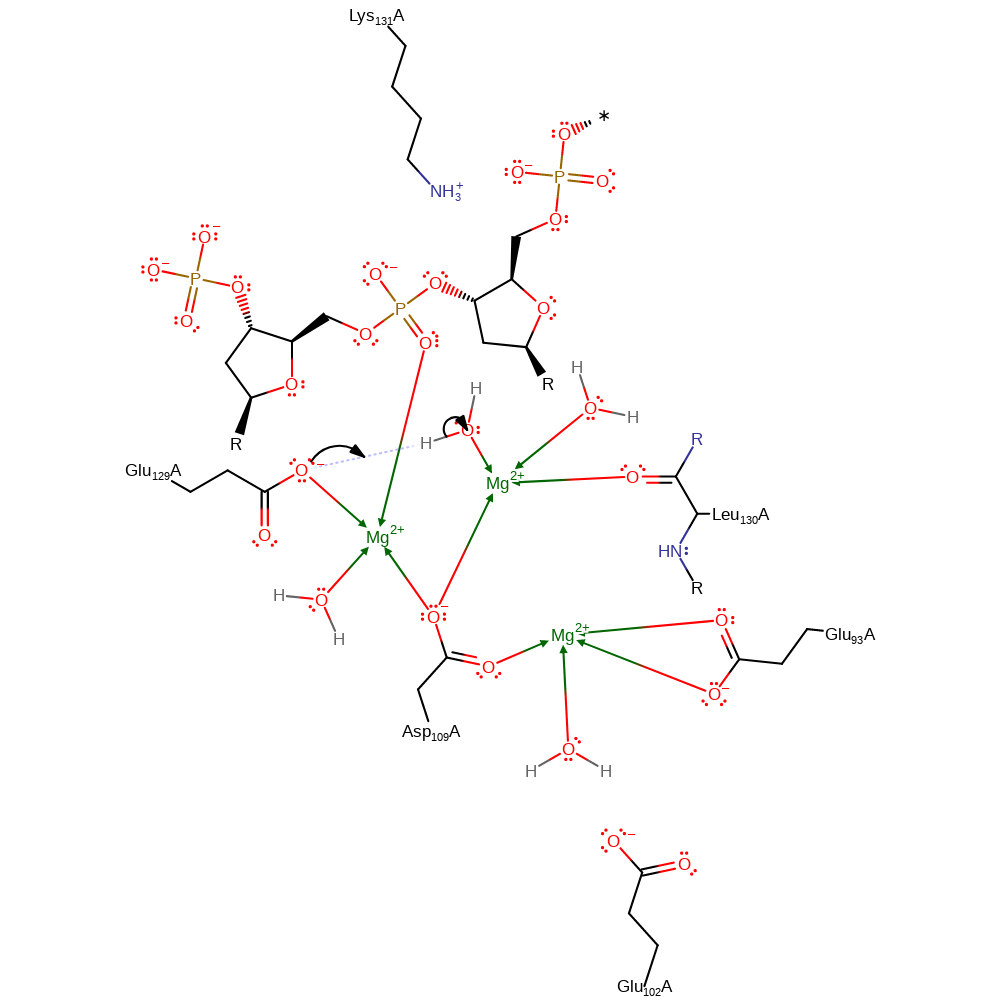
Step 1. Glu129 deprotonates a water molecule this will activate it for nucleophillic attack. The deprotonating oxygen of Glu129 and the hydroxide will decoordinate from the magnesium ions after the proton transfer has occurred.
Download: Image, Marvin FileCatalytic Residues Roles
| Residue | Roles |
|---|---|
| Glu102(104)A | electrostatic stabiliser |
| Leu130(132)A (main-C) | metal ligand |
| Glu129(131)A | metal ligand |
| Asp109(111)A | metal ligand |
| Glu93(95)A | metal ligand |
| Lys131(133)A | electrostatic stabiliser |
| Glu129(131)A | proton acceptor |
Chemical Components
proton transfer, decoordination from a metal ion
Step 2. The activated hydroxide ion performs a nucleophillic on the phosphate group forming a penta-covalent intermediate. Lys131 acts to orientate the hydroxide ion for the nucleophilic attack.
Download: Image, Marvin FileCatalytic Residues Roles
| Residue | Roles |
|---|---|
| Glu93(95)A | metal ligand |
| Asp109(111)A | metal ligand |
| Leu130(132)A (main-C) | metal ligand |
| Glu102(104)A | electrostatic stabiliser |
| Lys131(133)A | electrostatic stabiliser |
Chemical Components
ingold: bimolecular nucleophilic addition, overall reactant used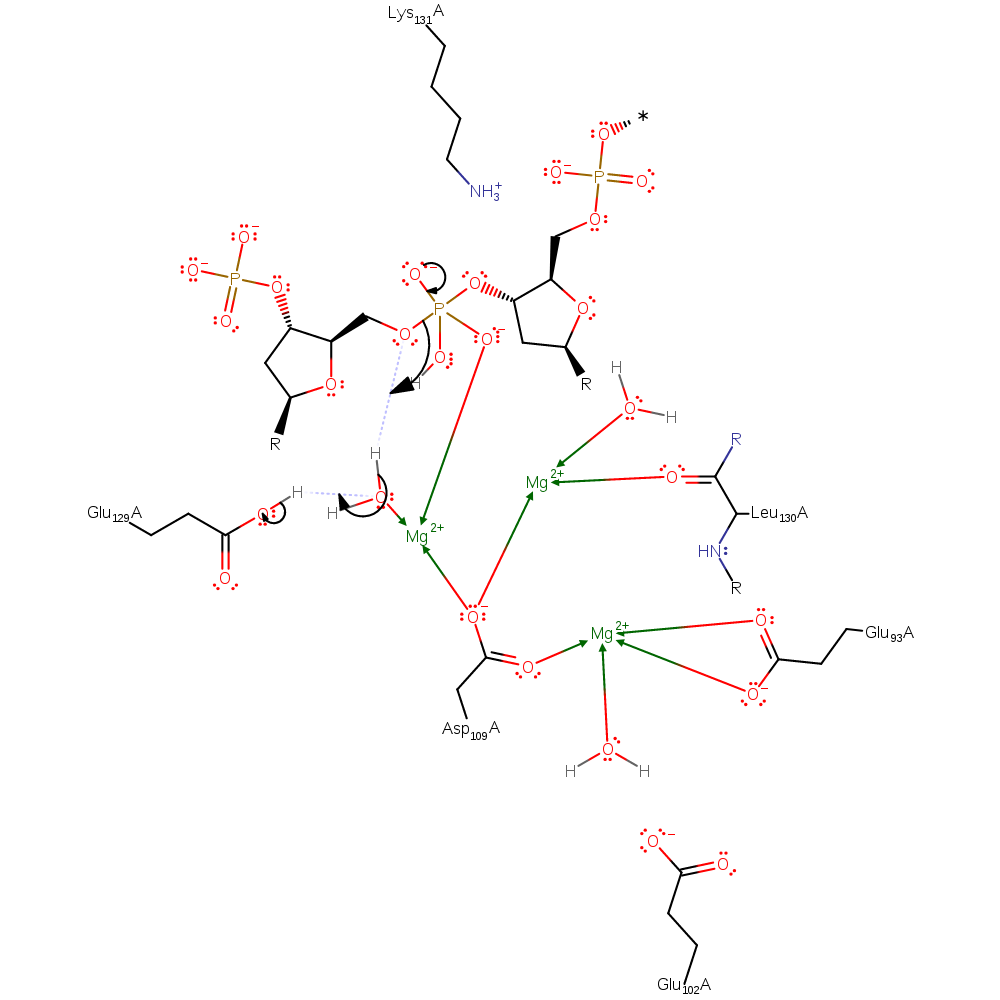
Step 3. The intermediate collapses forming the products. This is facilitated by the leaving group hydroxyl accepting a proton from a water molecule with the concomitant deprotonation of Glu129 by the same water molecule. Glu129 can now re-coordinate to the magnesium ion.
Download: Image, Marvin FileCatalytic Residues Roles
| Residue | Roles |
|---|---|
| Glu93(95)A | metal ligand |
| Asp109(111)A | metal ligand |
| Leu130(132)A (main-C) | metal ligand |
| Glu102(104)A | electrostatic stabiliser |
| Lys131(133)A | electrostatic stabiliser |
| Glu129(131)A | proton donor |
Chemical Components
overall product formed, coordination to a metal ion, heterolysis, native state of enzyme regenerated, proton transfer, proton relay Download:
 Introduction
This is another dissociative mechanism where the first step is identical to the first proposal. These mechanisms differ because in this proposal Lys131 acts as a proton relay to activate the water molecule for nucleophilic attack. See first mechanism for the references.
Catalytic Residues Roles
| UniProt | PDB* (1avq) | ||
| Asp109, Glu129, Glu93, Leu130 (main-C) | Asp109(111)A, Glu129(131)A, Glu93(95)A, Leu130(132)A (main-C) | Coordinate the magnesium ion | metal ligand |
| Glu102 | Glu102(104)A | Stabilizes a water molecule coordinated to the magnesium ion. | electrostatic stabiliser |
| Lys131 | Lys131(133)A | Acts as a proton relay to activate the water mole clue for nucleophilic attack. | proton relay, proton acceptor, electrostatic stabiliser, proton donor |
Chemical Components
heterolysis, overall product formed, overall reactant used, proton transfer, bimolecular nucleophilic addition, proton relayReferences
Step 1. A magnesium activated water molecule donates a proton to the 5' hydroxyl group promoting its dissociation from the phosphate.
Download: Image, Marvin FileCatalytic Residues Roles
| Residue | Roles |
|---|---|
| Glu102(104)A | electrostatic stabiliser |
| Leu130(132)A (main-C) | metal ligand |
| Glu129(131)A | metal ligand |
| Asp109(111)A | metal ligand |
| Glu93(95)A | metal ligand |
| Lys131(133)A | electrostatic stabiliser |
Chemical Components
heterolysis, overall product formed, overall reactant used, proton transfer
Step 2. Lys131 acts as a proton relay to promote the nucleophilic attack of a water molecule on to the phosphate group.
Download: Image, Marvin FileCatalytic Residues Roles
| Residue | Roles |
|---|---|
| Glu93(95)A | metal ligand |
| Asp109(111)A | metal ligand |
| Glu129(131)A | metal ligand |
| Leu130(132)A (main-C) | metal ligand |
| Glu102(104)A | electrostatic stabiliser |
| Lys131(133)A | electrostatic stabiliser |
| Lys131(133)A | proton relay |
| Lys131(133)A | proton donor, proton acceptor |
 Download: