6,7-dihydropteridine reductase
Dihydropteridine reductase catalyses the NADH-mediated reduction of quinoid dihydrobioptertin to give tetrahydrobiopterin, which functions as an essential cofactor in the biosynthetic reactions that convert phenylalanine to tyrosine, tyrosine to dihydroxyphenylalanine and tryptophan to dihydroxytryptophan. These reactions are essential to the generation of the catecholamines. These reactions are found predominantly in nerve, liver and adrenal tissue, where the function of tetrahydrobiopterin has been clearly defined. However, the presence of tetrahydrobiopterin in other tissues is yet to be determined.
Reference Protein and Structure
- Sequence
-
P11348
 (1.5.1.34)
 (Sequence Homologues)
(PDB Homologues)
(Sequence Homologues)
(PDB Homologues)
- Biological species
-
Rattus norvegicus (Norway rat)
- PDB
-
1dhr
- CRYSTAL STRUCTURE OF RAT LIVER DIHYDROPTERIDINE REDUCTASE
(2.3 Å)



- Catalytic CATH Domains
-
3.40.50.720
 (see all for 1dhr)
- Cofactors
- Nadph(4-) (1)
Enzyme Reaction (EC:1.5.1.34)




Enzyme Mechanism
Introduction
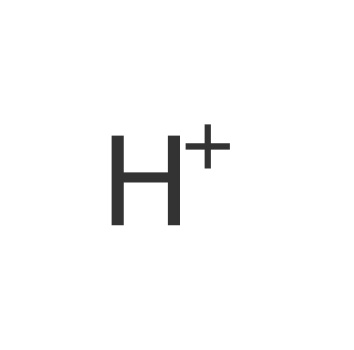
One possible reduction mechanism first begins with proton transfer from Tyr146 hydroxyl to the substrate carbonyl, followed by rapid hydride transfer to pteridine N(5) position from NADH.
Catalytic Residues Roles
| UniProt | PDB* (1dhr) | ||
| Tyr147 | Tyr146(147)A | Tyr146 acts as a general acid towards the carbonyl of the dihydroptertidine substrate. It is activated by the presence of the positively charged Lys150, which is also thought to participate in reprotonating Tyr146. | proton shuttle (general acid/base), electrostatic stabiliser |
| Lys151 | Lys150(151)A | The residue's positively charged side chain influences the pKa of the neighbouring Tyr146 hydroxyl, activating it to act as a general acid to the substrate carbonyl. It is also thought that the residue may act in a proton relay to reprotonate Tyr146 from the solvent through a hydrogen bond to the 2'-hydroxyl of the nicotinamide ring. This interaction orientates the reduced nicotin amide ring such that the pro-S hydrogen is available for transfer to the pteridine N-5 position. | proton shuttle (general acid/base), electrostatic stabiliser |
Chemical Components
References
- Filling C et al. (2002), J Biol Chem, 277, 25677-25684. Critical Residues for Structure and Catalysis in Short-chain Dehydrogenases/Reductases. DOI:10.1074/jbc.m202160200. PMID:11976334.
- Kiefer PM et al. (1996), J Biol Chem, 271, 3437-3444. Altered structural and mechanistic properties of mutant dihydropteridine reductases. PMID:8631945.
- Varughese KI et al. (1994), Proc Natl Acad Sci U S A, 91, 5582-5586. Structural and mechanistic characteristics of dihydropteridine reductase: a member of the Tyr-(Xaa)3-Lys-containing family of reductases and dehydrogenases. DOI:10.1073/pnas.91.12.5582. PMID:8202530.

Catalytic Residues Roles
| Residue | Roles |
|---|---|
| Lys150(151)A | electrostatic stabiliser, proton shuttle (general acid/base) |
| Tyr146(147)A | proton shuttle (general acid/base), electrostatic stabiliser |