Dual-specificity phosphatase
This is a dual-specificity protein phosphatase, dephosphorylating tyrosine-, serine- and threonine-phosphorylated proteins. It also acts as a lipid phosphatase, removing the phosphate in the D3 position of the inositol ring from phosphatidylinositol 3,4,5-trisphosphate, phosphatidylinositol 3,4-diphosphate, phosphatidylinositol 3-phosphate and inositol 1,3,4,5-tetrakisphosphate with order of substrate preference in vitro PtdIns(3,4,5)P3 > PtdIns(3,4)P2 > PtdIns3P > Ins(1,3,4,5)P4. The lipid phosphatase activity is critical for its tumor suppressor function. Its peptide phosphatase activity requires highly acidic substrates.
Reference Protein and Structure
- Sequence
-
P60484
 (3.1.3.16, 3.1.3.48, 3.1.3.67)
 (Sequence Homologues)
(PDB Homologues)
(Sequence Homologues)
(PDB Homologues)
- Biological species
-
Homo sapiens (Human)
- PDB
-
1d5r
- Crystal Structure of the PTEN Tumor Suppressor
(2.1 Å)



- Catalytic CATH Domains
-
3.90.190.10
 (see all for 1d5r)
Enzyme Reaction (EC:3.1.3.16)




Enzyme Mechanism
Introduction
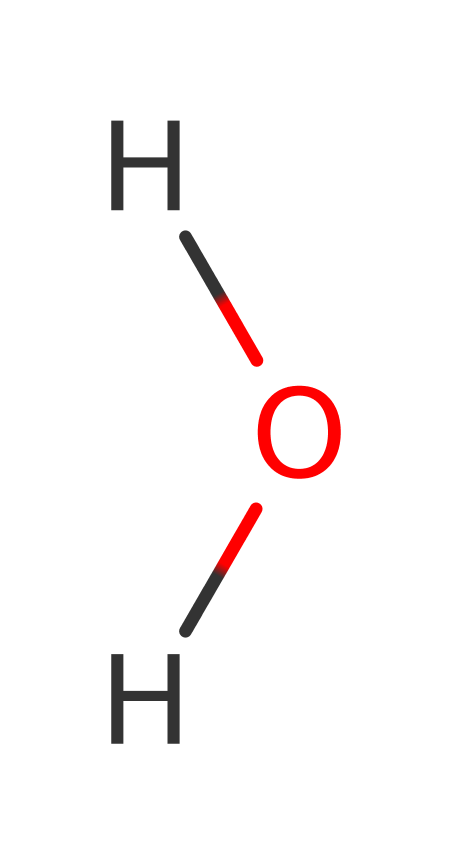
The mechanism of PTEN is similar to that of protein tyrosine phosphatase 1B. Cys124 functions as a nucleophile, accepting the phosphate moiety from the phosphorylated amino acid and generating a phosphocysteine intermediate. Asp92 serves as an acid to protonate the hydroxyl oxygen atom of the leaving group. Next, the phosphate moiety is transferred to a water molecule, restoring the enzyme. Arg130 stabilises the transition state.
Catalytic Residues Roles
| UniProt | PDB* (1d5r) | ||
| Asp92 | Asp92(86)A | Serves as an acid to protonate the hydroxyl oxygen atom of the leaving group. | proton shuttle (general acid/base) |
| Cys124 | Cys124(118)A | Acts as a nucleophile, accepting the phosphate moiety from the phosphorylated amino acid and generating a phosphocysteine intermediate. | covalent catalysis |
| Arg130 | Arg130(124)A | Stabilises the transition state. | transition state stabiliser |
Chemical Components
References
- Xiao Y et al. (2007), Cell Signal, 19, 1434-1445. PTEN catalysis of phospholipid dephosphorylation reaction follows a two-step mechanism in which the conserved aspartate-92 does not function as the general acid — Mechanistic analysis of a familial Cowden disease-associated PTEN mutation. DOI:10.1016/j.cellsig.2007.01.021. PMID:17324556.
- Masson GR et al. (2016), Biochem J, 473, 135-144. The intrinsically disordered tails of PTEN and PTEN-L have distinct roles in regulating substrate specificity and membrane activity. DOI:10.1042/bj20150931. PMID:26527737.
- Rodríguez-Escudero I et al. (2011), Hum Mol Genet, 20, 4132-4142. A comprehensive functional analysis of PTEN mutations: implications in tumor- and autism-related syndromes. DOI:10.1093/hmg/ddr337. PMID:21828076.
- Lee JO et al. (1999), Cell, 99, 323-334. Crystal Structure of the PTEN Tumor Suppressor. DOI:10.1016/s0092-8674(00)81663-3. PMID:10555148.
- Maehama T et al. (1998), J Biol Chem, 273, 13375-13378. The Tumor Suppressor, PTEN/MMAC1, Dephosphorylates the Lipid Second Messenger, Phosphatidylinositol 3,4,5-Trisphosphate. DOI:10.1074/jbc.273.22.13375. PMID:9593664.

Catalytic Residues Roles
| Residue | Roles |
|---|---|
| Asp92(86)A | proton shuttle (general acid/base) |
| Arg130(124)A | transition state stabiliser |
| Cys124(118)A | covalent catalysis |