Pyridoxine 5'-phosphate synthase
Pyridoxine 5'-phosphate synthase (PdxJ) catalyses the complicated ring closure reaction between the two acyclic compounds 1-deoxy-D-xylulose-5-phosphate (DXP) and 3-amino-2-oxopropyl phosphate (AAP) to form pyridoxine 5'-phosphate (PNP) and inorganic phosphate. The product of the PdxJ reaction is then oxidised by PdxH to form pyridoxal 5'-phosphate (PLP). PLP is the active form of vitamin B6 (pyridoxine or pyridoxal), a versatile catalyst, acting as a coenzyme in a multitude of reactions, including decarboxylations, deaminations and transaminations.
Reference Protein and Structure
- Sequence
-
P0A794
 (2.6.99.2)
 (Sequence Homologues)
(PDB Homologues)
(Sequence Homologues)
(PDB Homologues)
- Biological species
-
Escherichia coli K-12 (Bacteria)
- PDB
-
1ho1
- CRYSTAL STRUCTURE OF PYRIDOXINE 5'-PHOSPHATE SYNTHASE
(2.0 Å)



- Catalytic CATH Domains
-
3.20.20.70
 (see all for 1ho1)
- Cofactors
- Water (1)
Enzyme Reaction (EC:2.6.99.2)


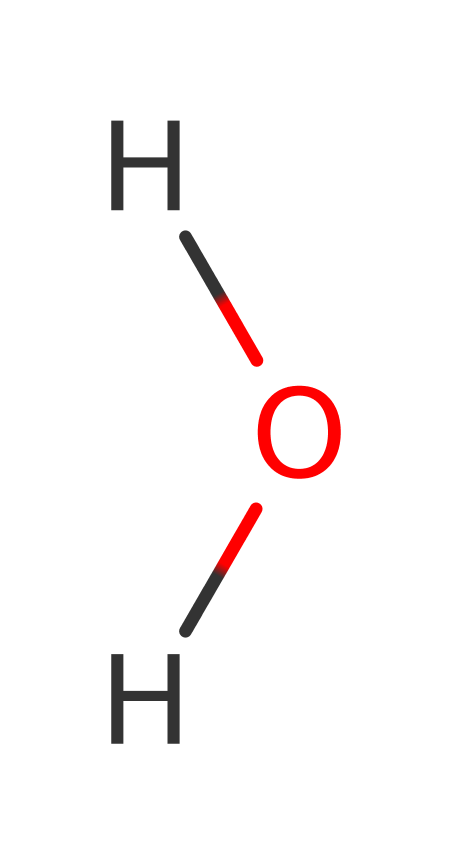
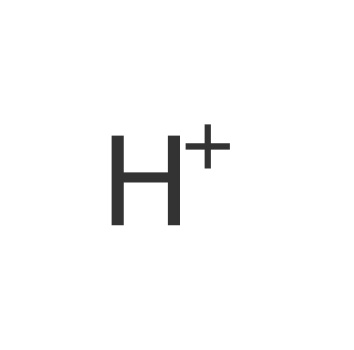


Enzyme Mechanism
Introduction
The two substrates react to form a Schiff base. Then His45 deprotonates the C3 of the intermediate, which initiates double bond rearrangement, with the Schiff base acting as an electron sink. The Schiff base reforms, initiating a double bond rearrangement and resulting in the elimination of water, which obtains it's proton from Glu72. Glu72 then deprotonates the remaining hydroxide, which initiates a double bond rearrangement and eliminates phosphate. His12 activates water, which initiates a nucleophilic addition to the newly formed C=C. This causes ring closure, and the resulting oxyanion is protonated by His193. Glu72 is activated by a water molecule. Glu72 deprotonates the C4 carbon, initiating the elimination of hydroxide, which obtains a proton from His12. His193 deprotonates C6, initiating a double bond rearrangement that results in the protonation of O3' by His45.
Catalytic Residues Roles
| UniProt | PDB* (1ho1) | ||
| His193, His12, His45, Glu72 | His193(192)A, His12(11)A, His45(44)A, Glu72(71)A | Acts as a general acid/base. | hydrogen bond acceptor, hydrogen bond donor, proton acceptor, proton donor, electrostatic stabiliser |
| Asn9, Glu153 | Asn9(8)A, Glu153(152)A | Bind the 3-amino-2-oxopropyl phosphate and act to stabilise the reactive intermediates and transition states during the course of the reaction/ | hydrogen bond donor, electrostatic stabiliser |
| Arg51, Arg47, Thr103 | Arg51(50)A, Arg47(46)A, Thr103(102)A | Binds 1-deoxy-D-xylulose 5-phosphate and helps stabilise the reactive intermediates and transition states. | attractive charge-charge interaction, hydrogen bond donor, electrostatic stabiliser, increase acidity, increase basicity |
Chemical Components
bimolecular nucleophilic addition, proton transfer, overall reactant used, inferred reaction step, intermediate formation, intramolecular elimination, overall product formed, proton relay, dehydration, assisted tautomerisation (not keto-enol), unimolecular elimination by the conjugate base, bimolecular elimination, intramolecular nucleophilic addition, cyclisation, intermediate terminatedReferences
- Garrido-Franco M et al. (2002), J Mol Biol, 321, 601-612. Enzyme–ligand Complexes of Pyridoxine 5′-Phosphate Synthase: Implications for Substrate Binding and Catalysis. DOI:10.1016/s0022-2836(02)00695-2. PMID:12206776.
- Mukherjee T et al. (2011), Biochim Biophys Acta, 1814, 1585-1596. Pyridoxal phosphate: biosynthesis and catabolism. DOI:10.1016/j.bbapap.2011.06.018. PMID:21767669.
- Yeh JI et al. (2002), Biochemistry, 41, 11649-11657. Multistate Binding in Pyridoxine 5‘-Phosphate Synthase: 1.96 Å Crystal Structure in Complex with 1-Deoxy-d-xylulose Phosphate†. DOI:10.1021/bi026292t. PMID:12269807.

Step 1. The 3-amino-2-oxopropyl phosphate substrate initiates a nucleophilic attack upon the 1-deoxy-D-xylulose 5-phosphate in the first step of a Schiff base formation. The carbonyl oxygen is assumed to deprotonate the amine.
Download: Image, Marvin FileCatalytic Residues Roles
| Residue | Roles |
|---|---|
| Glu72(71)A | hydrogen bond donor, electrostatic stabiliser |
| Thr103(102)A | electrostatic stabiliser, hydrogen bond acceptor |
| Arg47(46)A | electrostatic stabiliser, attractive charge-charge interaction |
| Glu153(152)A | hydrogen bond acceptor, electrostatic stabiliser |
| His193(192)A | hydrogen bond donor, electrostatic stabiliser |
| His12(11)A | attractive charge-charge interaction |
| His45(44)A | attractive charge-charge interaction |
| Arg51(50)A | electrostatic stabiliser, hydrogen bond donor, attractive charge-charge interaction |
| Asn9(8)A | hydrogen bond donor, electrostatic stabiliser |
Chemical Components
ingold: bimolecular nucleophilic addition, proton transfer, overall reactant used, inferred reaction step, intermediate formation
Step 2. The newly formed secondary amine initiates a intramolecular elimination of water, which obtains its proton first from Glu72, and then from water. The nature of the proton donor in this step is not entirely clear, it has been assumed to be a water molecule, due to the presence of a water channel in the enzyme [PMID:12206776].
Download: Image, Marvin FileCatalytic Residues Roles
| Residue | Roles |
|---|---|
| Glu72(71)A | hydrogen bond donor, proton relay, hydrogen bond acceptor |
| Thr103(102)A | electrostatic stabiliser, hydrogen bond acceptor |
| Arg47(46)A | electrostatic stabiliser, attractive charge-charge interaction |
| Glu153(152)A | hydrogen bond acceptor, electrostatic stabiliser |
| His193(192)A | hydrogen bond donor, electrostatic stabiliser |
| His12(11)A | attractive charge-charge interaction |
| His45(44)A | attractive charge-charge interaction |
| Arg51(50)A | electrostatic stabiliser, hydrogen bond donor, attractive charge-charge interaction |
| Asn9(8)A | hydrogen bond donor, electrostatic stabiliser |
| Glu72(71)A | proton donor, proton acceptor |
Chemical Components
ingold: intramolecular elimination, proton transfer, overall product formed, inferred reaction step, intermediate formation, proton relay, dehydration
Step 3. His45 deprotonates the C3 of the intermediate, which initiates double bond rearrangement, with the Schiff base acting as an electron sink.
Download: Image, Marvin FileCatalytic Residues Roles
| Residue | Roles |
|---|---|
| Glu72(71)A | hydrogen bond donor |
| Thr103(102)A | electrostatic stabiliser, hydrogen bond acceptor |
| Arg47(46)A | increase basicity, attractive charge-charge interaction |
| Glu153(152)A | hydrogen bond acceptor, electrostatic stabiliser |
| His193(192)A | hydrogen bond donor, electrostatic stabiliser |
| His12(11)A | attractive charge-charge interaction |
| His45(44)A | attractive charge-charge interaction, hydrogen bond acceptor |
| Arg51(50)A | electrostatic stabiliser, hydrogen bond donor, attractive charge-charge interaction |
| Asn9(8)A | hydrogen bond donor, electrostatic stabiliser |
| His45(44)A | proton acceptor |
Chemical Components
proton transfer, assisted tautomerisation (not keto-enol), intermediate formation
Step 4. The Schiff base reforms, initiating a double bond rearrangement and resulting in the elimination of water, which obtains it's proton from Glu72.
Download: Image, Marvin FileCatalytic Residues Roles
| Residue | Roles |
|---|---|
| Glu72(71)A | hydrogen bond donor |
| Thr103(102)A | electrostatic stabiliser, hydrogen bond acceptor |
| Arg47(46)A | electrostatic stabiliser, attractive charge-charge interaction |
| Glu153(152)A | hydrogen bond acceptor, electrostatic stabiliser |
| His193(192)A | hydrogen bond donor, electrostatic stabiliser |
| His12(11)A | attractive charge-charge interaction |
| His45(44)A | hydrogen bond donor, attractive charge-charge interaction, electrostatic stabiliser |
| Arg51(50)A | electrostatic stabiliser, hydrogen bond donor, attractive charge-charge interaction |
| Asn9(8)A | hydrogen bond donor, electrostatic stabiliser |
| Glu72(71)A | proton donor |
Chemical Components
proton transfer, ingold: unimolecular elimination by the conjugate base, intermediate formation, dehydration
Step 5. Glu72 deprotonates the remaining hydroxide, which initiates a double bond rearrangement and eliminates phosphate.
Download: Image, Marvin FileCatalytic Residues Roles
| Residue | Roles |
|---|---|
| Glu72(71)A | hydrogen bond acceptor |
| Thr103(102)A | electrostatic stabiliser, hydrogen bond acceptor |
| Arg47(46)A | electrostatic stabiliser, attractive charge-charge interaction |
| Glu153(152)A | hydrogen bond acceptor, electrostatic stabiliser |
| His193(192)A | hydrogen bond donor, electrostatic stabiliser |
| His12(11)A | attractive charge-charge interaction |
| His45(44)A | hydrogen bond donor, attractive charge-charge interaction, electrostatic stabiliser |
| Arg51(50)A | electrostatic stabiliser, hydrogen bond donor, attractive charge-charge interaction |
| Asn9(8)A | hydrogen bond donor, electrostatic stabiliser |
| Glu72(71)A | proton acceptor |
Chemical Components
ingold: bimolecular elimination, intermediate formation, overall product formed
Step 6. His12 activates water, which initiates a nucleophilic addition to the newly formed C=C. This causes ring closure, and the resulting oxyanion is protonated by His193. Glu72 is activated by a water molecule. It is suggested that one of the histidines at the top of the active site are responsible for the activation of water in this step. His12 and His52 are both candidates [PMID:12206776].
Download: Image, Marvin FileCatalytic Residues Roles
| Residue | Roles |
|---|---|
| Glu72(71)A | hydrogen bond donor |
| Arg47(46)A | electrostatic stabiliser, attractive charge-charge interaction |
| Glu153(152)A | hydrogen bond acceptor, electrostatic stabiliser |
| His193(192)A | hydrogen bond donor |
| His12(11)A | hydrogen bond acceptor, attractive charge-charge interaction |
| His45(44)A | hydrogen bond donor, attractive charge-charge interaction, electrostatic stabiliser |
| Arg51(50)A | electrostatic stabiliser, increase basicity, hydrogen bond donor, attractive charge-charge interaction |
| Asn9(8)A | hydrogen bond donor, electrostatic stabiliser |
| His193(192)A | proton donor |
| Glu72(71)A | proton donor |
| His12(11)A | proton acceptor |
Chemical Components
ingold: bimolecular nucleophilic addition, ingold: intramolecular nucleophilic addition, proton transfer, cyclisation, intermediate formation
Step 7. Glu72 deprotonates the C4 carbon, initiating the elimination of hydroxide, which obtains a proton from His12.
Download: Image, Marvin FileCatalytic Residues Roles
| Residue | Roles |
|---|---|
| Glu72(71)A | hydrogen bond acceptor |
| Arg47(46)A | electrostatic stabiliser, attractive charge-charge interaction |
| Glu153(152)A | hydrogen bond acceptor, electrostatic stabiliser |
| His193(192)A | hydrogen bond acceptor |
| His12(11)A | hydrogen bond donor, attractive charge-charge interaction |
| His45(44)A | hydrogen bond donor, attractive charge-charge interaction, electrostatic stabiliser |
| Arg51(50)A | electrostatic stabiliser, increase acidity, hydrogen bond donor, attractive charge-charge interaction |
| Asn9(8)A | hydrogen bond donor, electrostatic stabiliser |
| Glu72(71)A | proton acceptor |
| His12(11)A | proton donor |
Chemical Components
ingold: bimolecular elimination, proton transfer, intermediate formation, overall product formed, dehydration
Step 8. His193 deprotonates C6, initiating a double bond rearrangement that results in the protonation of O3' by His45.
Download: Image, Marvin FileCatalytic Residues Roles
| Residue | Roles |
|---|---|
| Arg47(46)A | increase acidity, attractive charge-charge interaction |
| Glu153(152)A | hydrogen bond acceptor, electrostatic stabiliser |
| His193(192)A | hydrogen bond acceptor |
| His12(11)A | hydrogen bond donor, attractive charge-charge interaction |
| His45(44)A | hydrogen bond donor, attractive charge-charge interaction |
| Arg51(50)A | electrostatic stabiliser, hydrogen bond donor, attractive charge-charge interaction |
| His193(192)A | proton acceptor |
| His45(44)A | proton donor |
 Download: