DNA polymerase eta
DNA polymerase eta is a translesion synthesis (TLS) polymerase. The TLS polymerases are an important part of the DNA synthesis pathway which aid in resistance to DNA damage. They are crucial in overcoming DNA damage in cells by bypassing DNA damage lesions during DNA replication, which may otherwise stall the replication fork and lead to cell death. Eta polymerases are of interest because when mutated, can lead to cancer and are implicated as causes of antibiotic and chemotherapy resistance.
Reference Protein and Structure
- Sequence
-
Q9Y253
 (2.7.7.7)
 (Sequence Homologues)
(PDB Homologues)
(Sequence Homologues)
(PDB Homologues)
- Biological species
-
Homo sapiens (Human)
- PDB
-
4ecs
- Human DNA polymerase eta - DNA ternary complex: Reaction in the AT crystal at pH 7.0 for 80 sec
(1.951 Å)



- Catalytic CATH Domains
-
3.30.70.270
 2.30.40.20
(see all for 4ecs)
2.30.40.20
(see all for 4ecs)
- Cofactors
- Magnesium(2+) (2)
Enzyme Reaction (EC:2.7.7.7)




Enzyme Mechanism
Introduction
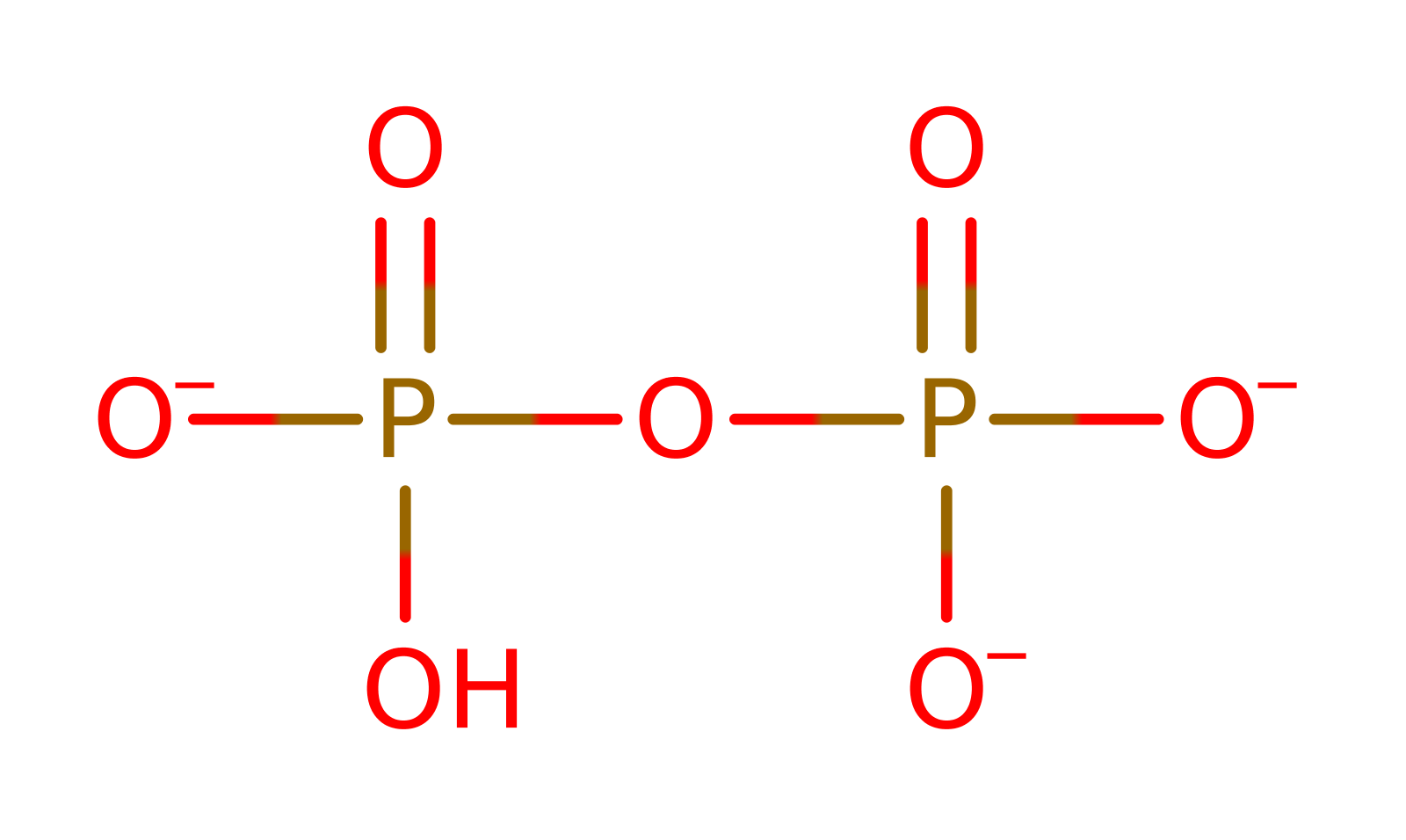
Glu116 deprotonates the 3'-OH of the DNA substrate, activating it to bind to the α-phosphate of the nucleotide. This causes the phospho-anhydride bond to break with the diphosphate leaving group. This reaction is energetically and structurally the most favourable of all the alternative mechanisms.
Catalytic Residues Roles
| UniProt | PDB* (4ecs) | ||
| Glu116 | Glu116(119)A | Glu116 deprotonates the 3'OH group on the DNA chain, activating it to perform a nucleophilic attack on the phosphate of the substrate. | metal ligand, proton acceptor |
| Arg61, Arg55, Tyr52, Lys231 | Arg61(64)A, Arg55(58)A, Tyr52(55)A, Lys231(234)A | Residues Tyr52, Arg55, Arg61 and Lys231 stabilise intermediates formed with the substrate by forming hydrogen bonds with the substrate and electrostatically stabilising the negative charge on the phosphate groups. | electrostatic stabiliser |
| Ser113, Asp13, Asp115, Met14 (main-C) | Ser113(116)A, Asp13(16)A, Asp115(118)A, Met14(17)A (main-C) | Residues Asp13, Met14(main-N), Ser113, Asp115 and Glu116 coordinate metal ions to the active site. | metal ligand |
Chemical Components
proton transfer, overall reactant used, bimolecular nucleophilic substitution, overall product formedReferences
- Wilson KA et al. (2019), ACS Catal, 9, 2543-2551. Exploring the Identity of the General Base for a DNA Polymerase Catalyzed Reaction Using QM/MM: The Case Study of Human Translesion Synthesis Polymerase η. DOI:10.1021/acscatal.8b04889.
- Biertümpfel C et al. (2010), Nature, 465, 1044-1048. Structure and mechanism of human DNA polymerase eta. DOI:10.1038/nature09196. PMID:20577208.

Catalytic Residues Roles
| Residue | Roles |
|---|---|
| Asp115(118)A | metal ligand |
| Met14(17)A (main-C) | metal ligand |
| Glu116(119)A | metal ligand |
| Ser113(116)A | metal ligand |
| Asp13(16)A | metal ligand |
| Arg55(58)A | electrostatic stabiliser |
| Tyr52(55)A | electrostatic stabiliser |
| Lys231(234)A | electrostatic stabiliser |
| Glu116(119)A | proton acceptor |
| Arg61(64)A | electrostatic stabiliser |
Chemical Components
proton transfer
Step 2. The deprotonated 3' deoxyribose attacks the α-phosphate of the nucleotide, breaking the phospho-anhydride bond with the diphosphate leaving group.
Download: Image, Marvin FileCatalytic Residues Roles
| Residue | Roles |
|---|---|
| Lys231(234)A | electrostatic stabiliser |
| Tyr52(55)A | electrostatic stabiliser |
| Arg55(58)A | electrostatic stabiliser |
| Asp13(16)A | metal ligand |
| Met14(17)A (main-C) | metal ligand |
| Asp115(118)A | metal ligand |
| Glu116(119)A | metal ligand |
| Ser113(116)A | metal ligand |
| Arg61(64)A | electrostatic stabiliser |
Chemical Components
overall reactant used, ingold: bimolecular nucleophilic substitution, overall product formed Download:
 Introduction
This is the "WMSA" mechanism, in which two Mg2+ ions coordinate two water molecules near the dATP and DNA chain. Firstly, a water molecule deprotonates the 3'-OH group of the main DNA chain, which then protonates the distal phosphate of the dATP nucleotide. This causes the 3' oxygen to attack the nucleotide α-phosphate. The diphosphate group leaves following proton transfer from the distal γ-phosphate to the β-phosphate. This mechanism was, however, marked as a unlikely mechanism because of the large energy needed to be performed.
Catalytic Residues Roles
| UniProt | PDB* (4ecs) | ||
| Arg55 | Arg55(58)A | Arg55 stabilizes the phosphate structure on the dATP group with hydrogen bonds towards the phosphate oxygens. | electrostatic stabiliser |
| Tyr52 | Tyr52(55)A | Tyr52 stabilizes the phosphate structure on the dATP group with hydrogen bonds towards the phosphate oxygens. | electrostatic stabiliser |
| Glu116 | Glu116(119)A | Glu116 coordinates the metal ions. | metal ligand |
| Ser113 | Ser113(116)A | Ser113 coordinates the metal ions. | metal ligand |
| Lys231 | Lys231(234)A | Lys231 stabilizes the phosphate structure on the dATP group with hydrogen bonds towards the phosphate oxygens. | electrostatic stabiliser |
| Asp13 | Asp13(16)A | Asp13 coordinates the metal ions. | metal ligand |
| Asp115 | Asp115(118)A | Asp115 coordinates the metal ions. | metal ligand |
| Met14 (main-C) | Met14(17)A (main-C) | Met14 (main chain) coordinates the metal ions. | metal ligand |
Chemical Components
proton transfer, bimolecular nucleophilic substitution, overall reactant used, overall product formedReferences
- Wilson KA et al. (2019), ACS Catal, 9, 2543-2551. Exploring the Identity of the General Base for a DNA Polymerase Catalyzed Reaction Using QM/MM: The Case Study of Human Translesion Synthesis Polymerase η. DOI:10.1021/acscatal.8b04889.
- Stevens DR et al. (2018), J Am Chem Soc, 140, 8965-8969. Exploring the Role of the Third Active Site Metal Ion in DNA Polymerase η with QM/MM Free Energy Simulations. DOI:https://doi.org/10.1021/jacs.8b05177.

Step 1. The Mg2+ ions coordinate two water molecules near the dATP and DNA chain which cause a proton relay that transfers a proton from the DNA deoxyribose to a water molecule and from the water molecule to a γ-phosphate on the dATP. Asp115, Met14, Glu116, Ser113 and Asp13 coordinate the 2 Mg2+ ions while Tyr52, Lys231 and Arg55 stabilize the negatively charged phosphate groups on the dATP.
Download: Image, Marvin FileCatalytic Residues Roles
| Residue | Roles |
|---|---|
| Lys231(234)A | electrostatic stabiliser |
| Tyr52(55)A | electrostatic stabiliser |
| Arg55(58)A | electrostatic stabiliser |
| Asp13(16)A | metal ligand |
| Ser113(116)A | metal ligand |
| Glu116(119)A | metal ligand |
| Met14(17)A (main-C) | metal ligand |
| Asp115(118)A | metal ligand |
Chemical Components
proton transfer
Step 2. The 3' OH group of the DNA performs a nucleophilic attack on the α-phosphate of the dATP.
Download: Image, Marvin FileCatalytic Residues Roles
| Residue | Roles |
|---|---|
| Ser113(116)A | metal ligand |
| Glu116(119)A | metal ligand |
| Asp115(118)A | metal ligand |
| Met14(17)A (main-C) | metal ligand |
| Asp13(16)A | metal ligand |
| Arg55(58)A | electrostatic stabiliser |
| Tyr52(55)A | electrostatic stabiliser |
| Lys231(234)A | electrostatic stabiliser |
Chemical Components
ingold: bimolecular nucleophilic substitution, overall reactant used
Step 3. A proton donated in the first step is shuffled to the β-phosphate and the bond between the α and β phosphate is broken.
Download: Image, Marvin FileCatalytic Residues Roles
| Residue | Roles |
|---|---|
| Ser113(116)A | metal ligand |
| Glu116(119)A | metal ligand |
| Asp115(118)A | metal ligand |
| Met14(17)A (main-C) | metal ligand |
| Asp13(16)A | metal ligand |
| Arg55(58)A | electrostatic stabiliser |
| Tyr52(55)A | electrostatic stabiliser |
| Lys231(234)A | electrostatic stabiliser |
Chemical Components
proton transfer, overall product formed Download:
 Introduction
Glu116 deprotonates Ser113 which then proceeds to deprotonate the 3'-OH of the DNA chain deoxyribose. This leads to the negatively charged oxygen of the DNA chain binding to the α-phosphate of the nucleotide, detaching the nucleotide from two phosphates. However, this mechanism is disputed because its not oriented correctly in crystal structures. Also, mutagenesis studies show the enzyme retains 95% of the kcat value in the S113A mutant.
Catalytic Residues Roles
| UniProt | PDB* (4ecs) | ||
| Glu116 | Glu116(119)A | Glu116 acts as a proton acceptor for Ser113 and ti also coordinates a Mg2+ ion. | metal ligand, proton acceptor |
| Ser113 | Ser113(116)A | Ser113 acts as a proton acceptor for the 3'OH group and ti also coordinates a Mg2+ ion. | metal ligand, proton acceptor |
| Arg55, Tyr52, Lys231 | Arg55(58)A, Tyr52(55)A, Lys231(234)A | Coordinates and stabilizes the phosphate groups of the nucleotide. | electrostatic stabiliser |
| Asp13, Asp115, Met14 (main-C) | Asp13(16)A, Asp115(118)A, Met14(17)A (main-C) | Coordinates the Mg2+ ion. | metal ligand |
Chemical Components
proton transfer, bimolecular nucleophilic substitution, overall product formed, overall reactant usedReferences
- Wilson KA et al. (2019), ACS Catal, 9, 2543-2551. Exploring the Identity of the General Base for a DNA Polymerase Catalyzed Reaction Using QM/MM: The Case Study of Human Translesion Synthesis Polymerase η. DOI:10.1021/acscatal.8b04889.
- Nakamura T et al. (2012), Nature, 487, 196-201. Watching DNA polymerase η make a phosphodiester bond. DOI:10.1038/nature11181. PMID:22785315.

Step 1. Glu116 deprotonates Ser113 and Ser113, consequently deprotonating the 3'-OH from the main DNA chain.
Download: Image, Marvin FileCatalytic Residues Roles
| Residue | Roles |
|---|---|
| Asp115(118)A | metal ligand |
| Met14(17)A (main-C) | metal ligand |
| Glu116(119)A | metal ligand |
| Ser113(116)A | metal ligand |
| Asp13(16)A | metal ligand |
| Arg55(58)A | electrostatic stabiliser |
| Tyr52(55)A | electrostatic stabiliser |
| Lys231(234)A | electrostatic stabiliser |
| Ser113(116)A | proton acceptor |
| Glu116(119)A | proton acceptor |
Chemical Components
proton transfer
Step 2. The deprotonated 3' deoxyribose attacks the α-phosphate of the nucleotide, breaking the phospho-anhydride bond with the diphosphate leaving group.
Download: Image, Marvin FileCatalytic Residues Roles
| Residue | Roles |
|---|---|
| Lys231(234)A | electrostatic stabiliser |
| Tyr52(55)A | electrostatic stabiliser |
| Arg55(58)A | electrostatic stabiliser |
| Asp13(16)A | metal ligand |
| Ser113(116)A | metal ligand |
| Glu116(119)A | metal ligand |
| Met14(17)A (main-C) | metal ligand |
| Asp115(118)A | metal ligand |
 Download: