Catechol O-methyltransferase
This entry represents a the catechol O-methyltransferases (COMT) found in eukaryotes. COMT, along with several other enzymes, degrades catecholamines such as dopamine, epinephrine and norepinephrine. It introduces a methyl group, donated by S-adenosyl methionine (SAM) to the catecholamine.
Reference Protein and Structure
- Sequence
-
P22734
 (2.1.1.6)
 (Sequence Homologues)
(PDB Homologues)
(Sequence Homologues)
(PDB Homologues)
- Biological species
-
Rattus norvegicus (Norway rat)
- PDB
-
1vid
- CATECHOL O-METHYLTRANSFERASE
(2.0 Å)



- Catalytic CATH Domains
-
3.40.50.150
 (see all for 1vid)
- Cofactors
- Magnesium(2+) (1)
Enzyme Reaction (EC:2.1.1.6)


+

→

+

+


Alternative enzyme names: COMT I, COMT II, MB-COMT (membrane-bound form of catechol-O-methyltransferase), S-COMT (soluble form of catechol-O-methyltransferase), Catechol methyltransferase, Catecholamine O-methyltransferase,
Enzyme Mechanism
Introduction
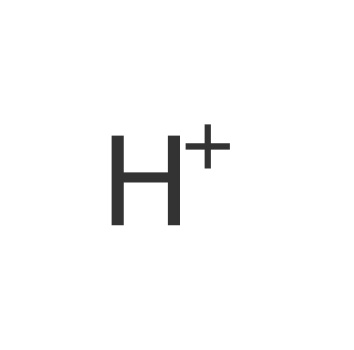
The kinetic mechanism of COMT is sequentially ordered: first, the Apo enzyme binds AdoMet, second, an Mg(II) ion binds to the enzyme--AdoMet complex, and finally, the ligand binds to the Holo enzyme. In the reaction, Lys144 abstracts a proton from the substrate. The negatively charged catechol then abstracts the methyl group from SAM, forming the final products.
Catalytic Residues Roles
| UniProt | PDB* (1vid) | ||
| Asp184, Asp212, Asn213 | Asp141A, Asp169A, Asn170A | Forms part of the magnesium binding site. | metal ligand |
| Lys187 | Lys144A | Proposed to act as a general acid/base during the course of the reaction. It is suggested that the oxygen proximal to the methyl group of SAM is deprotonated by Lys144. | proton shuttle (general acid/base) |
| Glu242 | Glu199A | Glu199 forms a hydrogen bond with the hydroxyl of one catechol and helps to stabilise the catechol intermediates. | electrostatic stabiliser |
*PDB label guide - RESx(y)B(C) - RES: Residue Name; x: Residue ID in PDB file;
y: Residue ID in PDB sequence if different from PDB file; B: PDB Chain;
C: Biological Assembly Chain if different from PDB. If label is "Not Found" it means this residue is not found in the reference PDB.
Chemical Components
References
- Patra N et al. (2016), PLoS One, 11, e0161868-. Computational Investigation of the Interplay of Substrate Positioning and Reactivity in Catechol O-Methyltransferase. DOI:10.1371/journal.pone.0161868. PMID:27564542.
- Law BJ et al. (2016), Angew Chem Int Ed Engl, 55, 2683-2687. Effects of Active-Site Modification and Quaternary Structure on the Regioselectivity of Catechol-O-Methyltransferase. DOI:10.1002/anie.201508287. PMID:26797714.
- Tsao D et al. (2011), PLoS One, 6, e24287-. Structural mechanism of S-adenosyl methionine binding to catechol O-methyltransferase. DOI:10.1371/journal.pone.0024287. PMID:21904625.
- Tsuji E et al. (2009), J Struct Biol, 165, 133-139. Crystal structures of the apo and holo form of rat catechol-O-methyltransferase. DOI:10.1016/j.jsb.2008.11.012. PMID:19111934.
- Palma PN et al. (2006), Mol Pharmacol, 70, 143-153. Comparative study of ortho- and meta-nitrated inhibitors of catechol-O-methyltransferase: interactions with the active site and regioselectivity of O-methylation. DOI:10.1124/mol.106.023119. PMID:16618795.
- Bonifácio MJ et al. (2002), Mol Pharmacol, 62, 795-805. Kinetics and crystal structure of catechol-o-methyltransferase complex with co-substrate and a novel inhibitor with potential therapeutic application. PMID:12237326.
- Vidgren J et al. (1994), Nature, 368, 354-358. Crystal structure of catechol O-methyltransferase. DOI:10.1038/368354a0. PMID:8127373.

Catalytic Residues Roles
| Residue | Roles |
|---|---|
| Asp141A | metal ligand |
| Asp169A | metal ligand |
| Asn170A | metal ligand |
| Glu199A | electrostatic stabiliser |
| Lys144A | proton shuttle (general acid/base) |