Beta-N-acetylhexosaminidase
Chitin, the second most abundant polysaccharide on earth, is degraded by chitinases and chitobiases. This entry represents the glycosidase family 20 chitobiase which digests the beta-1,4-glycosidic bonds in N-acetylglucosamine (GlcNAc) oligomers (mainly dimers). It has a retaining mechanism. Human beta-hexosaminidase A
Reference Protein and Structure
- Sequence
-
P06865
 (3.2.1.52)
 (Sequence Homologues)
(PDB Homologues)
(Sequence Homologues)
(PDB Homologues)
- Biological species
-
Homo sapiens (Human)
- PDB
-
2gjx
- Crystallographic structure of human beta-Hexosaminidase A
(2.8 Å)



- Catalytic CATH Domains
-
3.20.20.80
 (see all for 2gjx)
Enzyme Reaction (EC:3.2.1.52)


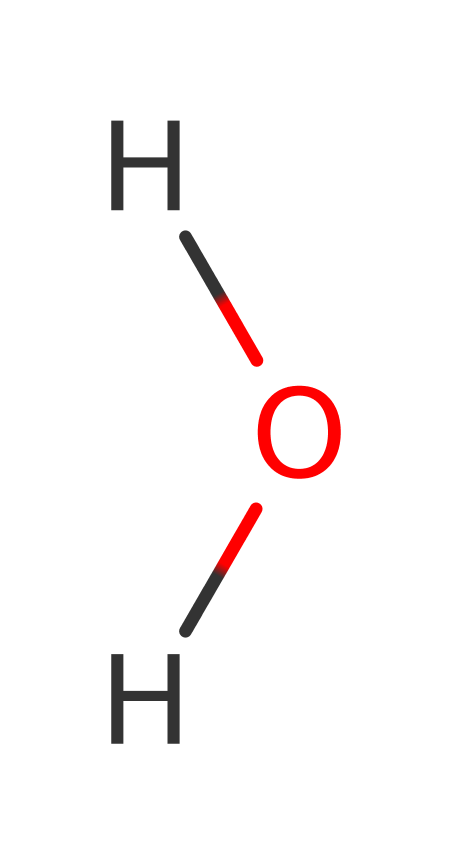


Enzyme Mechanism
Introduction
Glu540 acts as a general acid, to protonate the glycosidic oxygen atom, the O1 atom, leading to the transition state with oxocarbenium ion character. The O7 oxygen atom of the N-acetyl group makes a nucleophilic attack on the C1 atom of the transition state. This nucleophilic substitution seems to be S1-like reaction. A water, activated by Glu540, makes a nucleophilic attack on the C1 atom of the intermediate, leading again to the transition state with oxocarbenium ion character. The covalent bond between the C1 atom and the O7 oxygen atom is broken, and finally the product is formed.
Catalytic Residues Roles
| UniProt | PDB* (2gjx) | ||
| Asp539 | Asp539(512)A | Modulates the pKa of both the catalytic glutamate, but also helps activate the N-acetyl group of the substrate, by forming a hydrogen bond with the N2 atom of the N-acetyl group. It also helps stabilise the positively charged reaction intermediates and transition states that are formed during the course of the reaction. | modifies pKa, electrostatic stabiliser, steric role |
| Glu540 | Glu540(513)A | Acts as a general acid/base. | proton shuttle (general acid/base) |
Chemical Components
References
- Prag G et al. (2000), J Mol Biol, 300, 611-617. Structures of chitobiase mutants complexed with the substrate Di-N-acetyl-d-glucosamine: the catalytic role of the conserved acidic pair, aspartate 539 and glutamate 540. DOI:10.1006/jmbi.2000.3906. PMID:10884356.
- Drouillard S et al. (1997), Biochem J, 328 ( Pt 3), 945-949. Serratia marcescens chitobiase is a retaining glycosidase utilizing substrate acetamido group participation. PMID:9396742.
- Tews I et al. (1996), Nat Struct Biol, 3, 638-648. Bacterial chitobiase structure provides insight into catalytic mechanism and the basis of Tay-Sachs disease. PMID:8673609.

Catalytic Residues Roles
| Residue | Roles |
|---|---|
| Glu540(513)A | proton shuttle (general acid/base) |
| Asp539(512)A | modifies pKa, electrostatic stabiliser, steric role |
Chemical Components
Introduction
Glu323 acts as a general acid, to protonate the glyosidic oxygen atom, the O1 atom, leading to the transition state with oxocarbenium ion character. Asp322 provides a negative charge that stablise the positive charge developed on the oxazinium ion. The O7 oxygen atom of the N-acetyl group makes a nucleophilic attack on the C1 atom of the transition state. This nucleophilic substitution seems to be S1-like reaction. A water, activated by Glu323, makes a nucleophilic attack on the C1 atom of the intermediate, leading again to the transition state with oxocarbenium ion character. The covalent bond between the C1 atom and the O7 oxygen atom is broken, and finally the product is formed.
Catalytic Residues Roles
| UniProt | PDB* (2gjx) | ||
| Glu323 | Glu323(301)A | Acts as a general acid-base residue. | proton acceptor, proton donor |
| Asp322, Glu323 | Asp322(300)A, Glu323(301)A | electrostatic stabiliser |
Chemical Components
proton transfer, bimolecular nucleophilic substitutionReferences
- Passos Ó et al. (2011), J Phys Chem B, 115, 14751-14759. QM/MM Study of the Catalytic Mechanism of GalNAc Removal from GM2 Ganglioside Catalyzed by Human β-HexosaminidaseA. DOI:/10.1021/jp205826n.
- Prag G et al. (2000), J Mol Biol, 300, 611-617. Structures of chitobiase mutants complexed with the substrate Di-N-acetyl-d-glucosamine: the catalytic role of the conserved acidic pair, aspartate 539 and glutamate 540. DOI:10.1006/jmbi.2000.3906. PMID:10884356.
- Drouillard S et al. (1997), Biochem J, 328 ( Pt 3), 945-949. Serratia marcescens chitobiase is a retaining glycosidase utilizing substrate acetamido group participation. PMID:9396742.
- Tews I et al. (1996), Nat Struct Biol, 3, 638-648. Bacterial chitobiase structure provides insight into catalytic mechanism and the basis of Tay-Sachs disease. PMID:8673609.

Step 1. The acid-base residue Glu323 protonates the oxygen of the scissile glyosidic bond oxygen.
Download: Image, Marvin FileCatalytic Residues Roles
| Residue | Roles |
|---|---|
| Glu323(301)A | proton donor |
| Asp322(300)A | electrostatic stabiliser |
Chemical Components
proton transfer
Step 2. An incoming water molecule attack the anomeric carbon and maintain the double displacement mechanism.
Download: Image, Marvin FileCatalytic Residues Roles
| Residue | Roles |
|---|---|
| Glu323(301)A | proton acceptor |
| Asp322(300)A | electrostatic stabiliser |
 Download: