8-oxoguanine DNA-glycosylase (Nth/MutY family)
The spectrum of DNA damage caused by reactive oxygen species includes a wide variety of modifications of purine and pyrimidine bases. Among these modified bases, 7,8-dihydro-8-oxoguanine (8-oxoG) is an important mutagenic lesion. Base excision repair is a critical mechanism for preventing mutations by removing the oxidative lesion from the DNA. Escherichia coli Nth protein (endonuclease III) has an 8-oxoG DNA glycosylase/AP lyase activity which removes 8-oxoG preferentially from 8-oxoG/G mispairs. Homo sapiens hNTH1 protein, a homologue of Escherichia coli Nth protein, has similar DNA glycosylase/AP lyase activity that removes 8-oxoG from 8-oxoG/G mispairs [PMID:11328882].
Reference Protein and Structure
- Sequence
-
P0AB83
 (4.2.99.18)
 (Sequence Homologues)
(PDB Homologues)
(Sequence Homologues)
(PDB Homologues)
- Biological species
-
Escherichia coli K-12 (Bacteria)
- PDB
-
2abk
- REFINEMENT OF THE NATIVE STRUCTURE OF ENDONUCLEASE III TO A RESOLUTION OF 1.85 ANGSTROM
(1.85 Å)



- Catalytic CATH Domains
-
1.10.1670.10
 1.10.340.30
(see all for 2abk)
1.10.340.30
(see all for 2abk)
- Cofactors
- Tetra-mu3-sulfido-tetrairon (1)
Enzyme Reaction (EC:4.2.99.18)




Enzyme Mechanism
Introduction
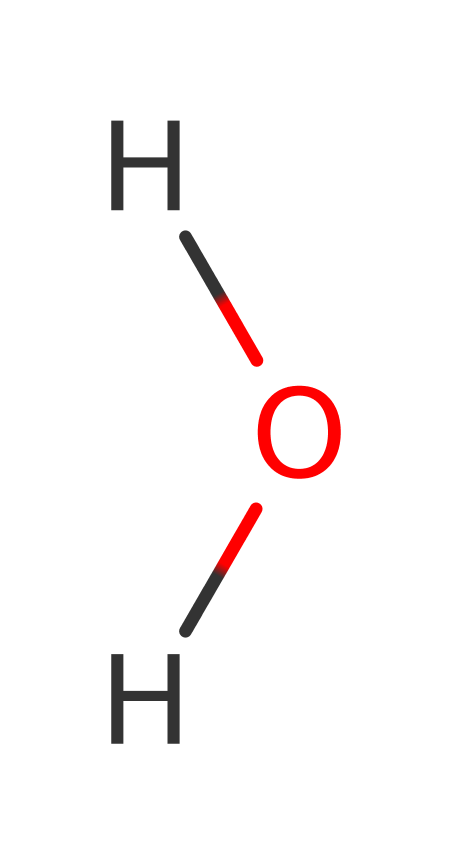
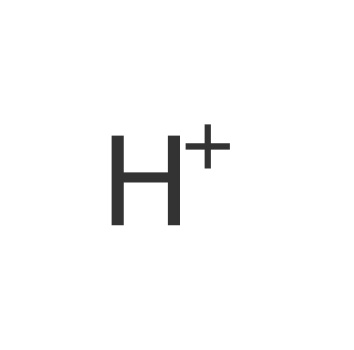
Lys120 forms a Schiff base with the DNA substrate, eliminating the oxoguanine product. The enzyme-substrate intermediate is then broken down by water (activated by Asp138).
Catalytic Residues Roles
| UniProt | PDB* (2abk) | ||
| Lys120 | Lys120A | Acts as a catalytic nucleophile, forming a Schiff base with the substrate DNA. | covalent catalysis |
| Asp138 | Asp138A | Thought to act as a general acid/base. | proton shuttle (general acid/base) |
Chemical Components
References
- Fromme JC et al. (2003), EMBO J, 22, 3461-3471. Structure of a trapped endonuclease III-DNA covalent intermediate. DOI:10.1093/emboj/cdg311. PMID:12840008.
- Liu X et al. (2001), Biochemistry, 40, 13617-13622. Mutation at Active Site Lysine 212 to Arginine Uncouples the Glycosylase Activity from the Lyase Activity of Human Endonuclease III†. DOI:10.1021/bi011053b. PMID:11695910.
- Matsumoto Y et al. (2001), Nucleic Acids Res, 29, 1975-1981. Escherichia coli Nth and human hNTH1 DNA glycosylases are involved in removal of 8-oxoguanine from 8-oxoguanine/guanine mispairs in DNA. PMID:11328882.
- Shekhtman A et al. (1999), Structure, 7, 919-930. Identification of the Archaeoglobus fulgidus endonuclease III DNA interaction surface using heteronuclear NMR methods. DOI:10.1016/s0969-2126(99)80119-1. PMID:10467137.
- Thayer MM et al. (1995), EMBO J, 14, 4108-4120. Novel DNA binding motifs in the DNA repair enzyme endonuclease III crystal structure. PMID:7664751.
- Dodson ML et al. (1994), J Biol Chem, 269, 32709-32712. Unified catalytic mechanism for DNA glycosylases. PMID:7806489.
- Kuo CF et al. (1992), Science, 258, 434-440. Atomic structure of the DNA repair [4Fe-4S] enzyme endonuclease III. DOI:10.2210/pdb1abk/pdb. PMID:1411536.

Catalytic Residues Roles
| Residue | Roles |
|---|---|
| Lys120A | covalent catalysis |
| Asp138A | proton shuttle (general acid/base) |