Pyridoxal 5'-phosphate synthase
Escherichia coli pyridoxine 5'-phosphate oxidase is the enzyme catalysing the final step in the synthesis of pyridoxal 5'-phosphate, a vital cofactor in many metabolic processes including amino acid metabolism. This means that the synthetic pathway is of great importance to the survival of the bacteria. The enzyme is also present in higher organisms, and the Escherichia coli form is expected to show significant sequence and structural homology to the mammalian form. Of particular interest is the second binding site of PLP which protects the product of the reaction from release into the cell so it can be transferred directly onto the enzymes that require it.
Reference Protein and Structure
- Sequence
-
P0AFI7
 (1.4.3.5)
 (Sequence Homologues)
(PDB Homologues)
(Sequence Homologues)
(PDB Homologues)
- Biological species
-
Escherichia coli K-12 (Bacteria)
- PDB
-
1g79
- X-RAY STRUCTURE OF ESCHERICHIA COLI PYRIDOXINE 5'-PHOSPHATE OXIDASE COMPLEXED WITH PYRIDOXAL 5'-PHOSPHATE AT 2.0 A RESOLUTION
(2.0 Å)



- Catalytic CATH Domains
-
2.30.110.10
 (see all for 1g79)
- Cofactors
- Fmnh2(2-) (1)
Enzyme Reaction (EC:1.4.3.5)




Enzyme Mechanism
Introduction
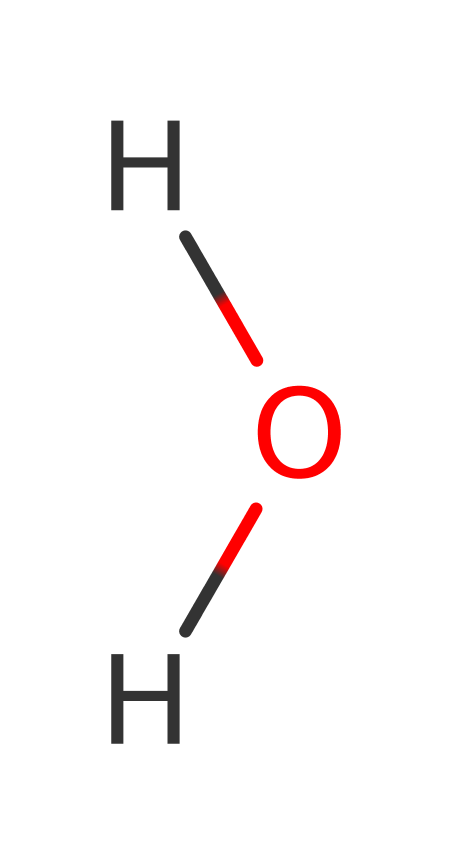
The reaction involves the oxidation of PNP to PLP using the cofactor FMN. It proceeds through hydride transfer from the 4'Carbon to the N7 of FMN, with steric strain from Arg 197 acting to place the substrate and cofactor in correct orientation for this to occur. This forms an electron deficient transition state; the oxygen lone pair then forms a bond to the 4'Carbon to result in the product.
Catalytic Residues Roles
| UniProt | PDB* (1g79) | ||
| Arg197 | Arg197A | Steric strain between the Arg 197 and the FMN forces the FMN into position where it can accept a hydride ion from the PNP substrate, thus allowing the formation of PLP. | steric role |
Chemical Components
References
- di Salvo ML et al. (2003), Biochim Biophys Acta, 1647, 76-82. Structure and mechanism of Escherichia coli pyridoxine 5′-phosphate oxidase. DOI:10.1016/s1570-9639(03)00060-8. PMID:12686112.
- Safo MK et al. (2005), Acta Crystallogr D Biol Crystallogr, 61, 599-604. Structure ofEscherichia colipyridoxine 5′-phosphate oxidase in a tetragonal crystal form: insights into the mechanistic pathway of the enzyme. DOI:10.1107/s0907444905005512. PMID:15858270.
- di Salvo ML et al. (2002), J Mol Biol, 315, 385-397. Active site structure and stereospecificity of Escherichia coli pyridoxine-5′-phosphate oxidase. DOI:10.1006/jmbi.2001.5254. PMID:11786019.

Catalytic Residues Roles
| Residue | Roles |
|---|---|
| Arg197A | steric role |