Adenosinetriphosphatase
Heat shock chaperone 70 (Hsc70) is a molecular chaperone of the 70 kilodalton heat shock protein family. It is thought to facilitate protein folding by binding to nascent or misfolding segments of peptide, thus preventing their aggregation. The peptide binding activity is regulated by ATP binding and hydrolysis: with ADP bound Hsc70 binds peptides tightly, but when ATP binds it releases them. The ATPase domain of Hsc70 is located at the N-terminus of the protein and can be isolated as an independent, fully functional entity by proteolysis of the complete protein or as a recombinant expression product.
Reference Protein and Structure
- Sequence
-
P19120
 (3.6.4.10)
 (Sequence Homologues)
(PDB Homologues)
(Sequence Homologues)
(PDB Homologues)
- Biological species
-
Bos taurus (Cattle)
- PDB
-
1kaz
- 70KD HEAT SHOCK COGNATE PROTEIN ATPASE DOMAIN, K71E MUTANT
(1.7 Å)



- Catalytic CATH Domains
-
3.30.420.40
 3.30.30.30
(see all for 1kaz)
3.30.30.30
(see all for 1kaz)
- Cofactors
- Potassium(1+) (2), Magnesium(2+) (1)
Enzyme Reaction (EC:3.6.1.3)





Enzyme Mechanism
Introduction
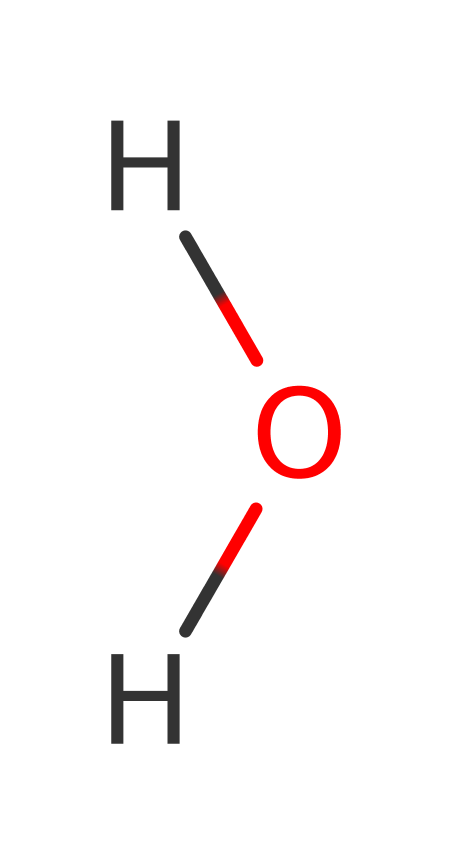
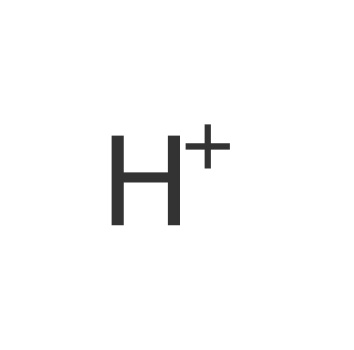
Once ATP has bound to the enzyme, hydrolysis proceeds through the attack of a water molecule, activated by Lys 71, on the gamma phosphate of ATP. This results in a pentavalent phosphate transition state, stabilised by Mg2+ at the active site, which collapses to release ADP and Pi. In addition, there are two potassium ions that are bound at the active site. One of these coordinates the gamma phosphate, and one binds the beta phosphate of ATP. Thus both are able to assist in the stabilisation of the transition state and the formation of the products, so accelerate the rate of reaction.
Catalytic Residues Roles
| UniProt | PDB* (1kaz) | ||
| Asp199, Asp10 | Asp199A, Asp10A | Forms Mg2+ binding site | |
| Glu175 | Glu175A | Stablises Lys 71 through hydrogen bonding which lowers Lysine's pKa. | |
| Lys71 | Glu71A | Proposed to stabilise a hydroxide ion or water molecule for nucleophilic attack on the gamma phosphate of ATP. | enhance reactivity |
Chemical Components
References
- Flaherty KM et al. (1994), J Biol Chem, 269, 12899-12907. Structural basis of the 70-kilodalton heat shock cognate protein ATP hydrolytic activity. II. Structure of the active site with ADP or ATP bound to wild type and mutant ATPase fragment. DOI:10.2210/pdb1ngb/pdb. PMID:8175707.
- O'Donnell JP et al. (2018), Biochemistry, 57, 1073-1086. Disrupted Hydrogen-Bond Network and Impaired ATPase Activity in an Hsc70 Cysteine Mutant. DOI:10.1021/acs.biochem.7b01005. PMID:29300467.
- Boero M et al. (2006), J Am Chem Soc, 128, 16798-16807. Hsc70 ATPase: an insight into water dissociation and joint catalytic role of K+ and Mg2+ metal cations in the hydrolysis reaction. DOI:10.1021/ja064117k. PMID:17177430.
- Wilbanks SM et al. (1998), Biochemistry, 37, 7456-7462. Structural Replacement of Active Site Monovalent Cations by the ε-Amino Group of Lysine in the ATPase Fragment of Bovine Hsc70†,‡. DOI:10.1021/bi973046m. PMID:9585559.
- O'Brien MC et al. (1996), J Biol Chem, 271, 15874-15878. Lysine 71 of the Chaperone Protein Hsc70 Is Essential for ATP Hydrolysis. DOI:10.1074/jbc.271.27.15874. PMID:8663302.
- Wilbanks SM et al. (1995), J Biol Chem, 270, 2251-2257. How potassium affects the activity of the molecular chaperone Hsc70. II. Potassium binds specifically in the ATPase active site. DOI:10.2210/pdb1hpm/pdb. PMID:7836458.

Catalytic Residues Roles
| Residue | Roles |
|---|---|
| Glu71A | enhance reactivity |