Small GTPase superfamily, ARF type
The GTP dependent protein Arl-2 is part of a family of close relatives of the Arf proteins. Although the function of the Arf proteins themselves has been determined (they are involved in regulating vesicular transport) the function of the Arl family has not yet been determined. The protein Arl-2 interacts with PDEdelta which is a relative of the important signalling protein Rho, thus suggesting Arl-2 regulates transport by PDEdelta. As Ras interacts with Rho, it is not surprising that the mechanism of GTP hydrolysis employed by Arl-2 is similar to that found in Ras. Therefore study of this protein may shed insight into an area of highly important cancer research.
Reference Protein and Structure
- Sequences
-
Q9D0J4

O43924
 (Sequence Homologues)
(PDB Homologues)
(Sequence Homologues)
(PDB Homologues)
- Biological species
-
Mus musculus (house mouse)
- PDB
-
1ksj
- Complex of Arl2 and PDE delta, Crystal Form 2 (SeMet)
(2.6 Å)



- Catalytic CATH Domains
-
3.40.50.300
 (see all for 1ksj)
- Cofactors
- Magnesium(2+) (1)





Enzyme Mechanism
Introduction
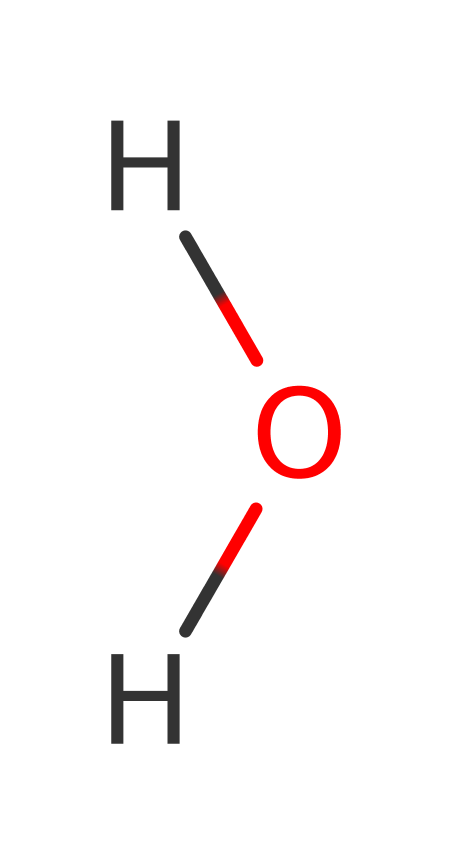
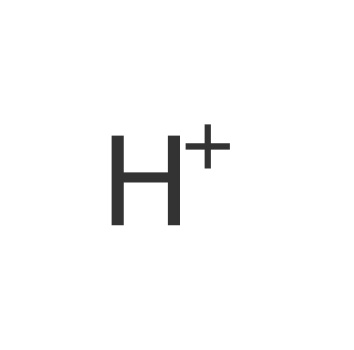
GTP hydrolysis is achieved through the activation of a conserved water molecule W13 in the active site by Gln 70. The water molecule thus can act as a nucleophile to attack the gamma phosphate of GTP, releasing GDP and Pi. This reaction passes through a pentavalent phosphate intermediate which is stabilised by Mg2+ at the active site.
Catalytic Residues Roles
| UniProt | PDB* (1ksj) | ||
| Gln70 | Gln70(72)A | Activates water through hydrogen bonding to allow it to act as a nucleophile and hydrolyse the gamma phosphate of GTP releasing GDP and Pi. | electrostatic stabiliser |
Chemical Components
References
- Hanzal-Bayer M et al. (2002), EMBO J, 21, 2095-2106. The complex of Arl2-GTP and PDEdelta: from structure to function. DOI:10.1093/emboj/21.9.2095. PMID:11980706.

Catalytic Residues Roles
| Residue | Roles |
|---|---|
| Gln70(72)A | electrostatic stabiliser |