N-acetylmuramoyl-L-alanine amidase
T7 lysosome is a bifunctional protein found only in T7 phage. It has amidase activity in cleaving the amide bond between N-acetyl-muramic acid and L-alanine in the bacterial cell wall. It also acts as an inhibitor of T7 RNA polymerase, which provides a feedback mechanism that shuts off late transcription during infection and stimulates DNA replication. T7 lysosyme differs from the previously well-studied egg-white and phage T4 lysosymes not only in having an interaction with T7 RNA polymerase but also in the chemistry of lysis: it cuts the amide bond between N-acetylmuramic acid and L-alanine rather than the glycosidic bond between N-acetylmuramic acid and N-acetylglucosamine in the peptidoglycan layer of bacterial cell walls.
Reference Protein and Structure
- Sequence
-
P00806
 (3.5.1.28)
 (Sequence Homologues)
(PDB Homologues)
(Sequence Homologues)
(PDB Homologues)
- Biological species
-
Enterobacteria phage T7 (Virus)
- PDB
-
1lba
- THE STRUCTURE OF BACTERIOPHAGE T7 LYSOZYME, A ZINC AMIDASE AND AN INHIBITOR OF T7 RNA POLYMERASE
(2.2 Å)



- Catalytic CATH Domains
-
3.40.80.10
 (see all for 1lba)
- Cofactors
- Zinc(2+) (1)
Enzyme Reaction (EC:3.5.1.28)




Enzyme Mechanism
Introduction
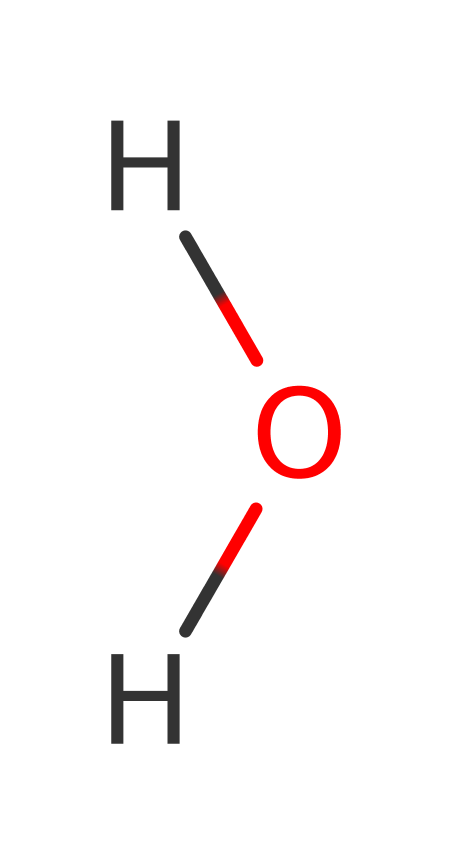
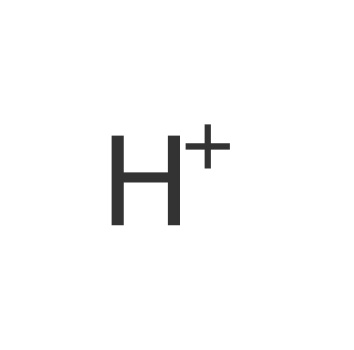
A tentative mechanism has been put forward by analogy with the other zinc proteases, specifically caboxypeptidase A. A positively charged lysine forms a bond to the carbonyl group of the amide link polarising it and allowing nucleophilic attack by a zinc bound hydroxide activated by a negatively charged tyrosine. This is followed by bond cleavage and donation of a proton to the leaving amino group.
Catalytic Residues Roles
| UniProt | PDB* (1lba) | ||
| Tyr47 | Tyr46(42)A | Negatively charged tyrosine abstracts a proton from a zinc-bound water moelcue to form a nucleophile for attack on the amide bond. | proton shuttle (general acid/base) |
| His18, Cys131, His123 | His17(13)A, Cys130(126)A, His122(118)A | Forms the zinc binding site | |
| Lys129 | Lys128(124)A | Positively charged lysine polarises carbonyl group of the amide bond, to activate it for nucleophilic attack via hydrogen bonding. Stabilises the transition state. | electrostatic stabiliser |
Chemical Components
References
- Cheng X et al. (1994), Proc Natl Acad Sci U S A, 91, 4034-4038. The structure of bacteriophage T7 lysozyme, a zinc amidase and an inhibitor of T7 RNA polymerase. DOI:10.2210/pdb1lba/pdb. PMID:8171031.

Catalytic Residues Roles
| Residue | Roles |
|---|---|
| Lys128(124)A | electrostatic stabiliser |
| Tyr46(42)A | proton shuttle (general acid/base) |