Palmitoyl[protein] hydrolase (type 2)
Palmitoyl protein thioesterase 2 (PPT2) is a lysosomal enzyme with thioesterase activity. It will remove palmitate from palmitoyl CoA but is unable to remove palmitate groups from several S-palmitoylated proteins; in this respect it differs from the closely related enzyme PPT1.
Reference Protein and Structure
- Sequence
-
Q9UMR5
 (3.1.2.-)
 (Sequence Homologues)
(PDB Homologues)
(Sequence Homologues)
(PDB Homologues)
- Biological species
-
Homo sapiens (Human)
- PDB
-
1pja
- The crystal structure of palmitoyl protein thioesterase-2 reveals the basis for divergent substrate specificities of the two lysosomal thioesterases (PPT1 and PPT2)
(2.7 Å)



- Catalytic CATH Domains
-
3.40.50.1820
 (see all for 1pja)
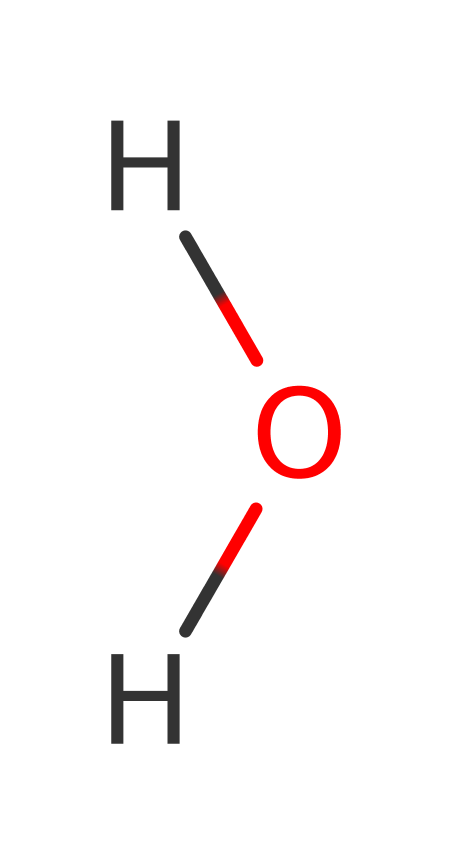
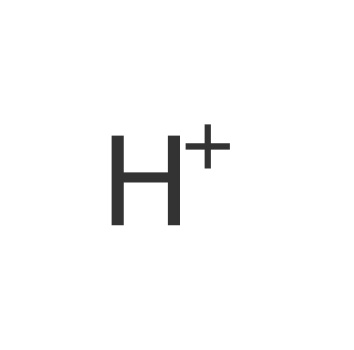
Enzyme Reaction (EC:3.1.2.22)




Enzyme Mechanism
Introduction
Like other alpha-beta hydrolases, PPT2 uses a Ser-His-Asp triad. Ser 111 acts as a nucleophile to attack the thioester carbonyl group, while His 283 deprotonates the attacking Ser 111 and Asp 228 functions to modify the pKa of His 283. The tetrahedral intermediate resulting from attack by Ser 111 is stabilised by an oxyanion hole composed of the backbone NH groups of Gln 112 and Leu 45. Collapse of the tetrahedral intermediate generates an acyl-enzyme intermediate, which is then hydrolysed by a water molecule that is deprotonated by His 283.
Catalytic Residues Roles
| UniProt | PDB* (1pja) | ||
| Ser111 | Ser111A | Acts as a nucleophile to attack the thioester carbonyl, forming an acyl-enzyme intermediate that is subsequently hydrolysed. | covalently attached, nucleofuge, nucleophile, proton acceptor, proton donor |
| Leu45 (main-N), Gln112 (main-N) | Leu45A (main-N), Gln112A (main-N) | Backbone NH forms part of the oxyanion hole that stabilises the tetrahedral intermediate. | electrostatic stabiliser |
| Asp228 | Asp228A | Modifies the pKa of His 283. | increase basicity, electrostatic stabiliser |
| His283 | His283A | Deprotonates Ser 111. Protonates the departing thiol leaving group. Deprotonates the nucleophilic water molecule. | proton acceptor, proton donor |
Chemical Components
bimolecular nucleophilic addition, intermediate formation, overall reactant used, proton transfer, overall product formed, unimolecular elimination by the conjugate base, native state of enzyme regenerated, intermediate terminatedReferences
- Calero G et al. (2003), J Biol Chem, 278, 37957-37964. The Crystal Structure of Palmitoyl Protein Thioesterase-2 (PPT2) Reveals the Basis for Divergent Substrate Specificities of the Two Lysosomal Thioesterases, PPT1 and PPT2. DOI:10.1074/jbc.m301225200. PMID:12855696.

Step 1. His283 acts as a general base activating the Ser111 hydroxyl group for nucleophilic attack on the carbonyl carbon of the thio-ester bond. The third component of this catalytic triad- Asp228 acts to increase the basicity of the histidine. The oxyanion intermediate formed is stabilized by the amide groups of Gln112 and leu45.
Download: Image, Marvin FileCatalytic Residues Roles
| Residue | Roles |
|---|---|
| Ser111A | covalently attached |
| Asp228A | electrostatic stabiliser |
| Gln112A (main-N) | electrostatic stabiliser |
| Leu45A (main-N) | electrostatic stabiliser |
| Asp228A | increase basicity |
| His283A | proton acceptor |
| Ser111A | nucleophile, proton donor |
Chemical Components
ingold: bimolecular nucleophilic addition, intermediate formation, overall reactant used, proton transfer
Step 2. The tetrahedral intermediate collapses and cysteine is eliminated.
Download: Image, Marvin FileCatalytic Residues Roles
| Residue | Roles |
|---|---|
| Ser111A | covalently attached |
| Leu45A (main-N) | electrostatic stabiliser |
| Gln112A (main-N) | electrostatic stabiliser |
| Asp228A | electrostatic stabiliser |
| His283A | proton donor |
Chemical Components
overall product formed, proton transfer, ingold: unimolecular elimination by the conjugate base
Step 3. His283 activates water for nucleophilic attack and another oxyanion intermediate is formed.
Download: Image, Marvin FileCatalytic Residues Roles
| Residue | Roles |
|---|---|
| Leu45A (main-N) | electrostatic stabiliser |
| Gln112A (main-N) | electrostatic stabiliser |
| Asp228A | electrostatic stabiliser, increase basicity |
| Ser111A | covalently attached |
| His283A | proton acceptor |
Chemical Components
proton transfer, ingold: bimolecular nucleophilic addition
Step 4. The tetrahedral intermediate collapses and Ser111 is eliminated.
Download: Image, Marvin FileCatalytic Residues Roles
| Residue | Roles |
|---|---|
| Leu45A (main-N) | electrostatic stabiliser |
| Gln112A (main-N) | electrostatic stabiliser |
| Asp228A | electrostatic stabiliser |
| Ser111A | nucleofuge, proton acceptor |
| His283A | proton donor |
 Download: