Polynucleotide 5'-phosphatase
RNA triphosphatase is an essential mRNA processing enzyme that catalyses the first step in cap formation. Capping entails three enzymatic reactions in which the 5' triphosphate end of pre-mRNA is hydrolysed to a 5' diphosphate by RNA triphosphatase, then capped with GMP by RNA guanylyltransferase, and methylated by RNA methyltransferase. Each of the capping activities is essential for cell growth.
Yeast RNA triphosphatase forms a heteromeric complex with the yeast RNA guanylyltransferase . The binding serves two purposes, firstly, the interaction stimulates guanylyltransferase activity by enhancing the affinity of RNA guanylyltransferase for GTP. Secondly the tethering facilitates the recruitment of the triphosphatase to the RNA polymerase II elongation complex.
The structure reveals a novel active site fold, a topologically closed trisphosphate tunnel formed from an eight stranded beta barrel.
Reference Protein and Structure
- Sequence
-
O13297
 (3.1.3.33)
 (Sequence Homologues)
(PDB Homologues)
(Sequence Homologues)
(PDB Homologues)
- Biological species
-
Saccharomyces cerevisiae S288c (Baker's yeast)
- PDB
-
1d8h
- X-RAY CRYSTAL STRUCTURE OF YEAST RNA TRIPHOSPHATASE IN COMPLEX WITH SULFATE AND MANGANESE IONS.
(2.0 Å)



- Catalytic CATH Domains
-
3.20.100.10
 (see all for 1d8h)
- Cofactors
- Manganese(2+) (1)
Enzyme Reaction (EC:3.1.3.33)
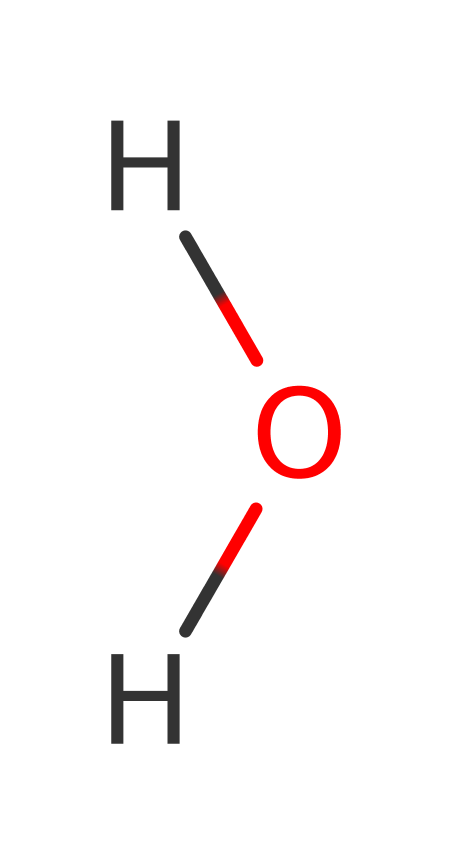

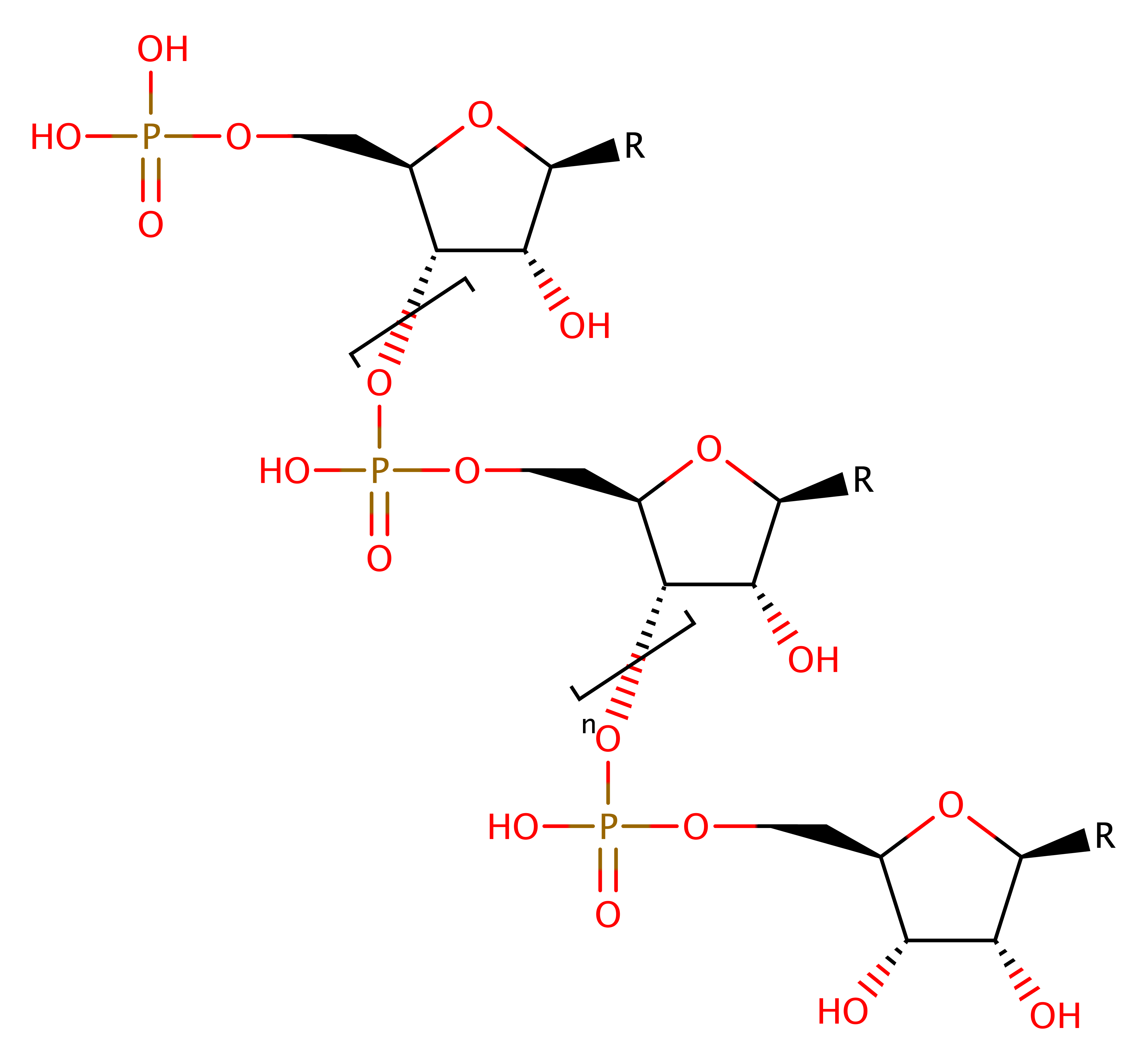


Enzyme Mechanism
Introduction
The 5'-phosphopolynucleotide substrate is hydrolysed into its polynucleotide and phosphate components. Structural data suggests a mechanism whereby acid residues located on the floor of the tunnel coordinate a catalytically essential divalent cation that in turn coordinates the gamma-phosphate. The metal ion activates the gamma-phosphate for attack by water and stabilises a pentavalent phosphorous transition state in which the attacking water is apical to the beta-phosphate leaving group. The basic side chains of Arg393, Lys409 and Lys456 stabilise the developing negative charge on the gamma-phosphate in the transition state.
Catalytic Residues Roles
| UniProt | PDB* (1d8h) | ||
| Lys409 | Lys409(171)A | The basic side chain stabilises the developing negative charge on the gamma-phosphate in the transition state. | electrostatic stabiliser |
| Arg393, Lys456 | Arg393(155)A, Lys456(218)A | The basic side chain stabilises the developing negative charge on the gamma-phosphate in the transition state. | electrostatic stabiliser |
| Glu305, Glu496, Glu307 | Glu305(67)A, Glu496(258)A, Glu307(69)A | Forms the Mn(II) binding site. | metal ligand |
Chemical Components
References
- Massayuki Kikuti C et al. (2006), Mol Biochem Parasitol, 150, 83-95. Divalent metal requirements for catalysis and stability of the RNA triphosphatase from Trypanosoma cruzi. DOI:10.1016/j.molbiopara.2006.06.012. PMID:16887207.
- Lima CD et al. (1999), Cell, 99, 533-543. Structure and mechanism of yeast RNA triphosphatase: an essential component of the mRNA capping apparatus. PMID:10589681.

Catalytic Residues Roles
| Residue | Roles |
|---|---|
| Glu305(67)A | metal ligand |
| Glu307(69)A | metal ligand |
| Glu496(258)A | metal ligand |
| Lys456(218)A | electrostatic stabiliser |
| Arg393(155)A | electrostatic stabiliser |
| Lys409(171)A | electrostatic stabiliser |