Type II site-specific deoxyribonuclease, Cfr10I/Bse634I
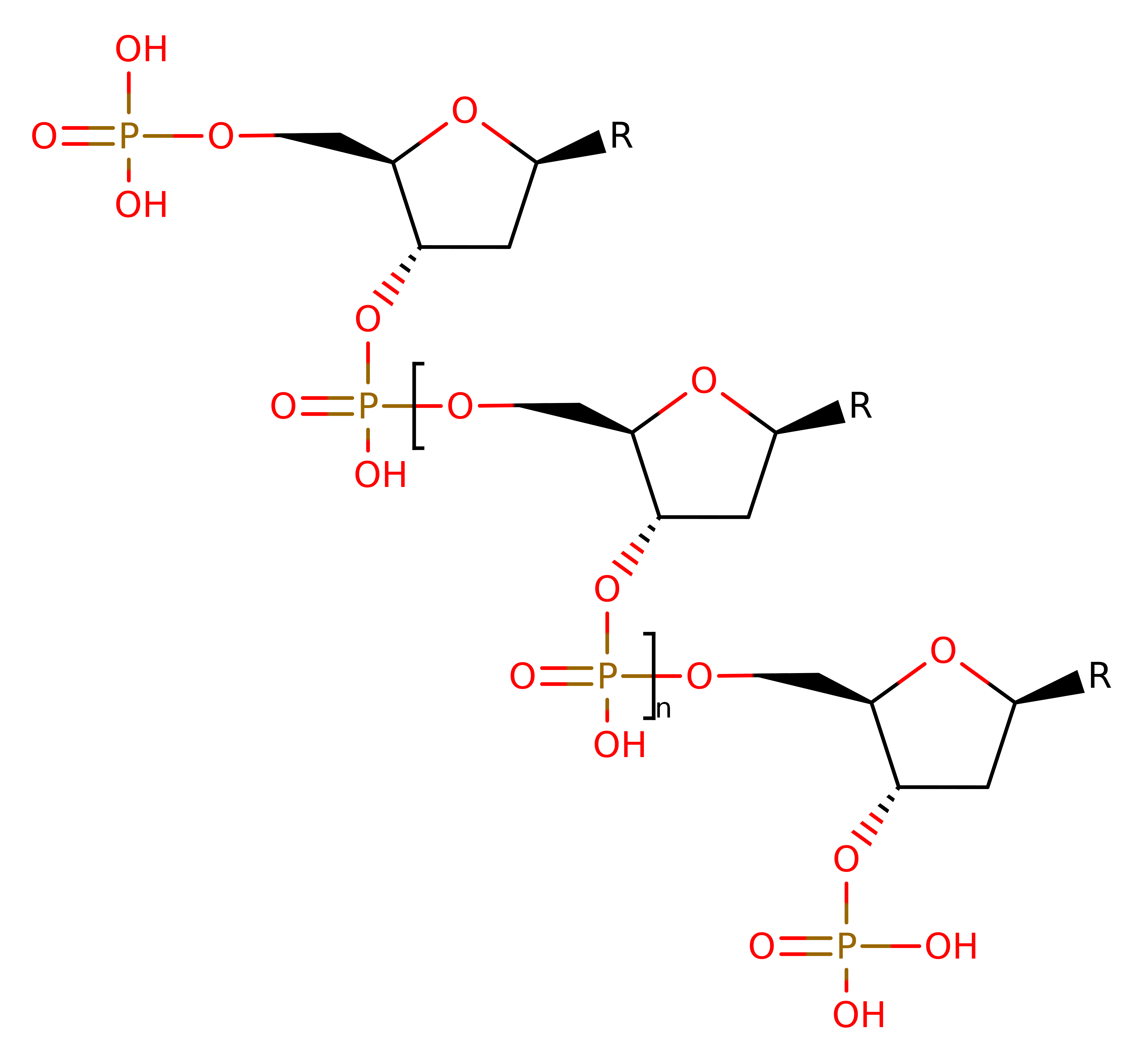
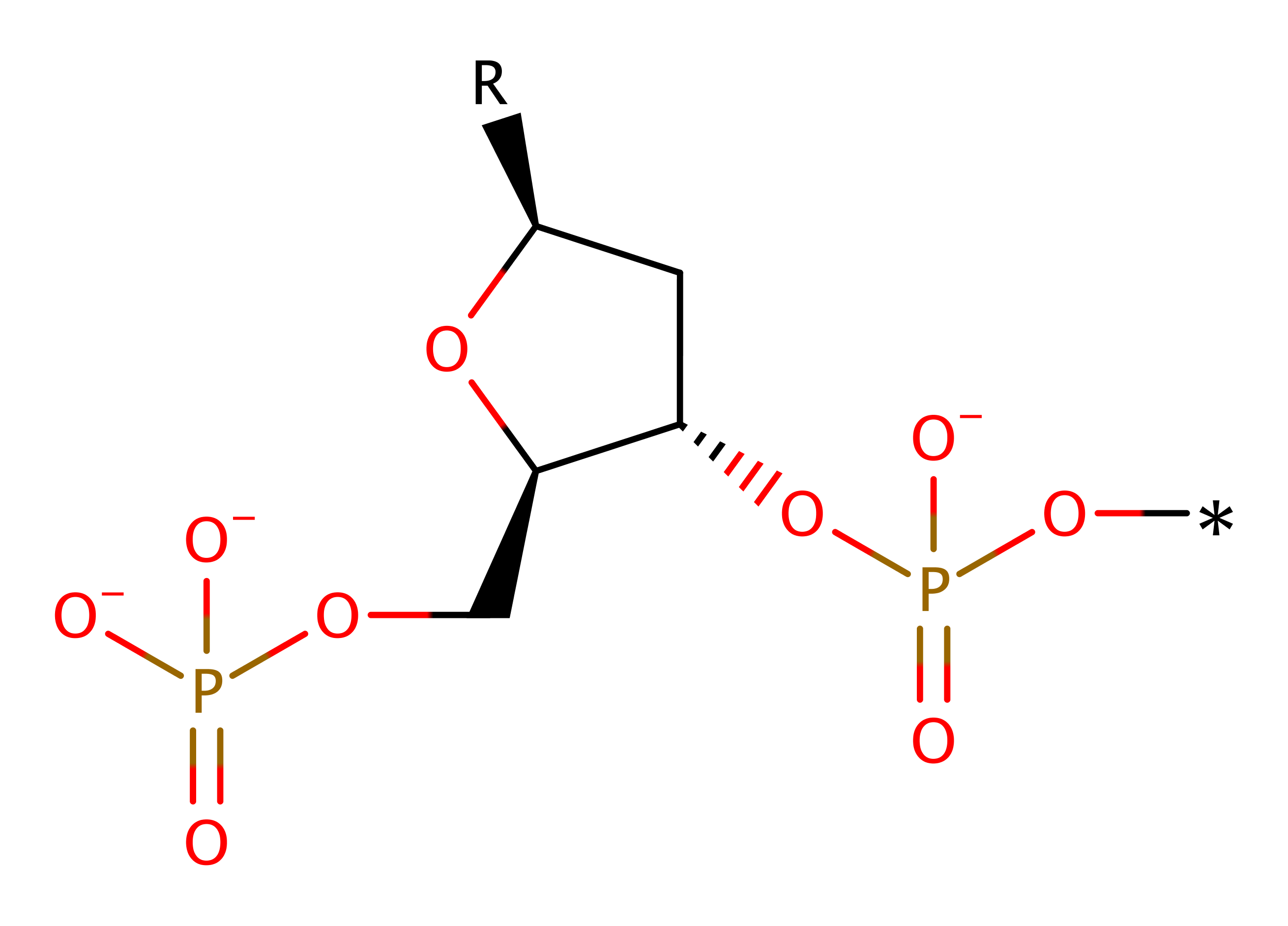
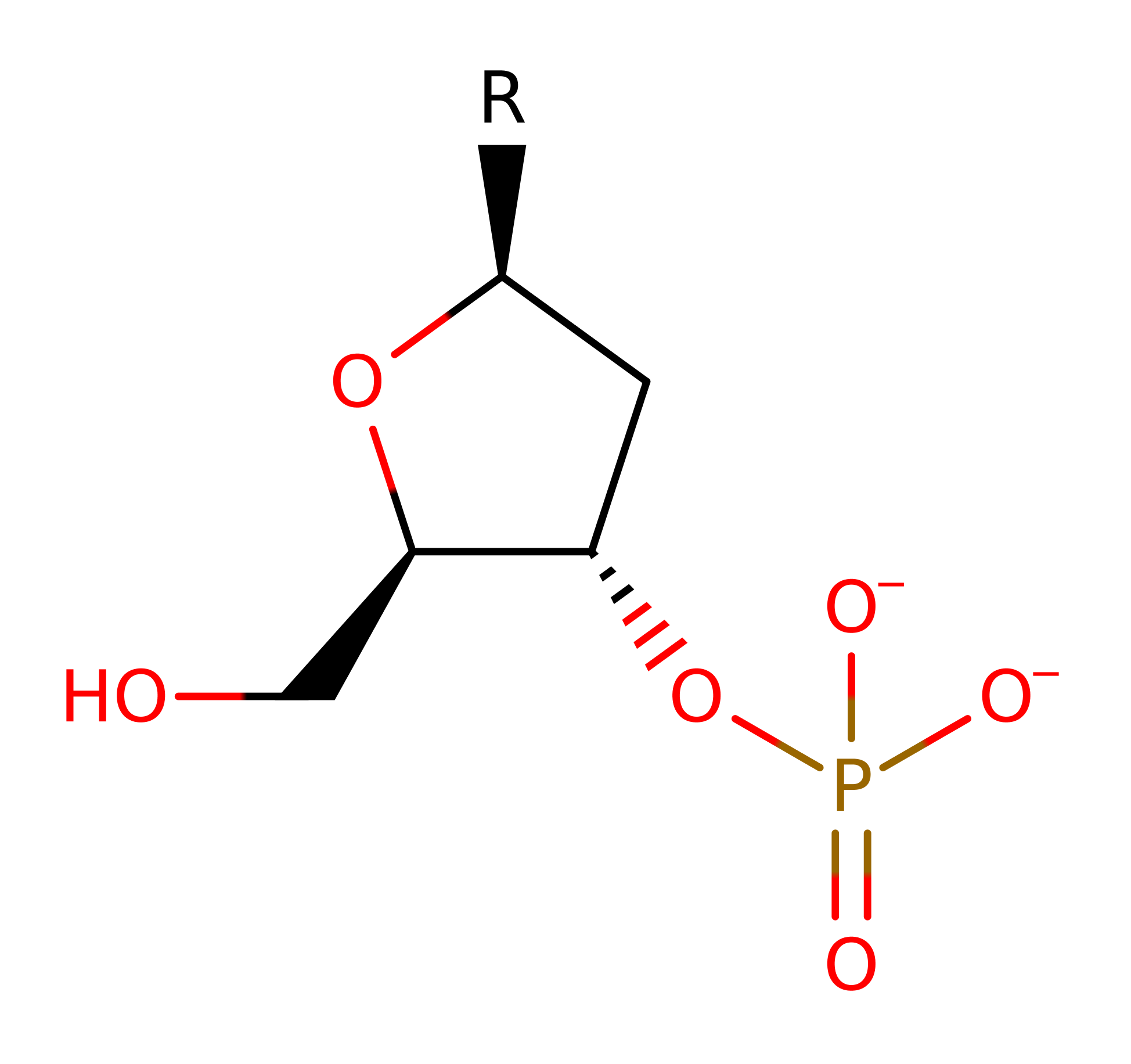
Type II restriction endonucleases (EC:3.1.21.4) are components of prokaryotic DNA restriction-modification mechanisms that protect the organism against invading foreign DNA. These site-specific deoxyribonucleases catalyse the endonucleolytic cleavage of DNA to give specific double-stranded fragments with terminal 5'-phosphates.
This entry represents Cfr10I and Bse634I restriction endonucleases (IPR012415). They exhibit a conserved tetrameric architecture with two dimers arranged back-to-back with their putative DNA-binding clefts facing opposite directions. These clefts are formed between two monomers that interact, mainly via hydrophobic interactions supported by a few hydrogen bonds, to form a U-shaped dimer. Each monomer is folded to form a compact alpha-beta structure, whose core is made up of a five-stranded mixed beta-sheet. The monomer may be split into separate N-terminal and C-terminal subdomains at a hinge located in helix alpha3. Both Cfr10I and Bse634I recognise the double-stranded sequence RCCGGY and cleave after the purine R [PMID: 8568865].
Reference Protein and Structure
- Sequence
-
P56200
 (3.1.21.4)
 (Sequence Homologues)
(PDB Homologues)
(Sequence Homologues)
(PDB Homologues)
- Biological species
-
Citrobacter freundii (Bacteria)
- PDB
-
1cfr
- CRYSTAL STRUCTURE OF CITROBACTER FREUNDII RESTRICTION ENDONUCLEASE CFR10I AT 2.15 ANGSTROMS RESOLUTION.
(2.15 Å)



- Catalytic CATH Domains
-
3.40.91.10
 (see all for 1cfr)
- Cofactors
- Magnesium(2+) (2)



Enzyme Mechanism
Introduction
There appears to still be much discussion on the exact mechanism of these enzymes, with a review from 2008 suggesting that they may work through many different mechanisms. Especially as there appears to be no set number of metal ions in the active site; some crystal structures show no divalent metal cations, some one, and others two.
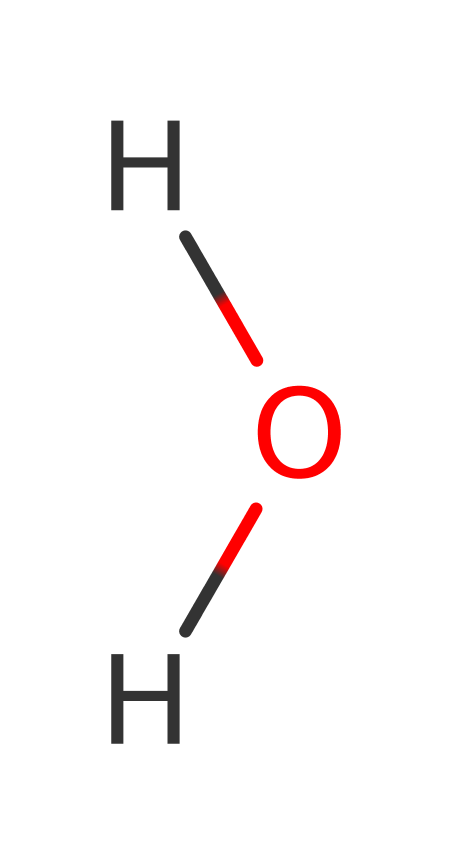
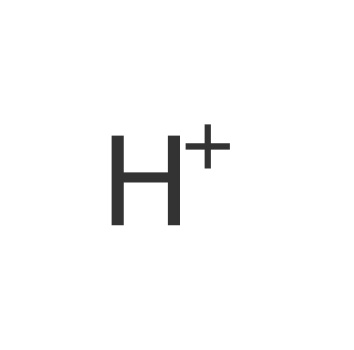
However, it appears that the general two-metal mechanism is favoured. In this mechanism a nucleophilic water is bound between the two divalent metal cations, and activated to form a hydroxide ion. This ion initiates a nucleophilic attack on the phosphorous atom. The pentavalent intermediate collapses and abstracts a proton from another water bound at one of the metal ions.
Catalytic Residues Roles
| UniProt | PDB* (1cfr) | ||
| Lys190 | Lys190A | Likely to be involved in the stabilisation of the doubly charged pentacoordinate transition state. | metal ligand, electrostatic stabiliser |
| Glu71, Asp134 | Glu71A, Asp134A | Forms part of the Magnesium 2 binding site. | metal ligand |
| Glu204 | Glu204A | Thought to act as a general acid/base. | proton shuttle (general acid/base), metal ligand |
| Asp134, Glu204 | Asp134A, Glu204A | Forms part of the Magnesium 1 binding site. | metal ligand |
Chemical Components
References
- Xie F et al. (2010), J Inorg Biochem, 104, 665-672. Nucleophile activation in PD…(D/E)xK metallonucleases: An experimental and computational pKa study. DOI:10.1016/j.jinorgbio.2010.02.008. PMID:20347155.
- Manakova E et al. (2012), Nucleic Acids Res, 40, 6741-6751. Structural mechanisms of the degenerate sequence recognition by Bse634I restriction endonuclease. DOI:10.1093/nar/gks300. PMID:22495930.
- Dupureur CM (2008), Curr Opin Chem Biol, 12, 250-255. Roles of metal ions in nucleases. DOI:10.1016/j.cbpa.2008.01.012. PMID:18261473.
- Grazulis S (2002), Nucleic Acids Res, 30, 876-885. Crystal structure of the Bse634I restriction endonuclease: comparison of two enzymes recognizing the same DNA sequence. DOI:10.1093/nar/30.4.876.
- Skirgaila R et al. (1998), J Mol Biol, 279, 473-481. Structure-based redesign of the Catalytic/Metal binding site of Cfr 10I restriction endonuclease reveals importance of spatial rather than sequence conservation of active centre residues. DOI:10.1006/jmbi.1998.1803. PMID:9642051.
- Bozic D et al. (1996), J Mol Biol, 255, 176-186. Crystal Structure ofCitrobacter freundiiRestriction EndonucleaseCfr10I at 2.15 Å Resolution. DOI:10.1006/jmbi.1996.0015. PMID:8568865.

Catalytic Residues Roles
| Residue | Roles |
|---|---|
| Glu71A | metal ligand |
| Asp134A | metal ligand |
| Lys190A | electrostatic stabiliser |
| Glu204A | metal ligand |
| Lys190A | metal ligand |
| Glu204A | proton shuttle (general acid/base) |