Bile salt-activated lipase
Bile salt-activated lipase (BAL) is one of two lipases secreted from the vertebrate pancreas into the intestine for the digestion of fat. It also catalyses vitamin absorption. It acts in concert with pancreatic lipase and colipase for the complete digestion of dietary triglycerides.
In a few mammals, BAL is also present in the milk to facilitate fat absorption in infants. Because of its wide range of substrate reactivities, BAL has been documented with several different names, including pancreatic carboxylester lipase, pancreatic cholesterol esterase, triacylglycerol lipase and lysophospholipase. There is evidence to support the importance of BAL for the absorption of cholesterol, vitamin A and triacylglycerol. The hydrolytic activity of BAL on naturally occurring lipids requires the presence of bile salt.
Reference Protein and Structure
- Sequence
-
P30122
 (3.1.1.3, 3.1.1.6, 3.1.1.13)
 (Sequence Homologues)
(PDB Homologues)
(Sequence Homologues)
(PDB Homologues)
- Biological species
-
Bos taurus (Cattle)
- PDB
-
1aql
- CRYSTAL STRUCTURE OF BOVINE BILE-SALT ACTIVATED LIPASE COMPLEXED WITH TAUROCHOLATE
(2.8 Å)



- Catalytic CATH Domains
-
3.40.50.1820
 (see all for 1aql)
Enzyme Reaction (EC:3.1.1.13)


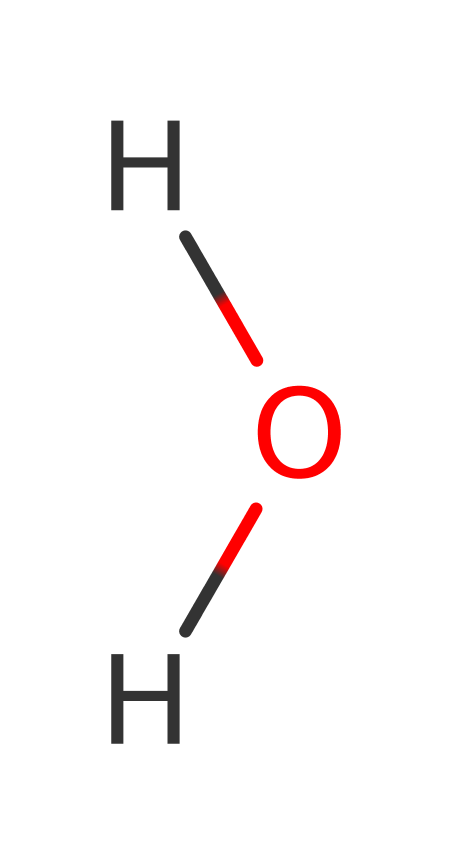


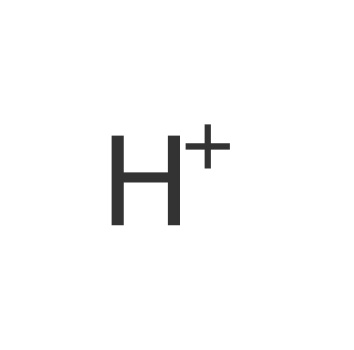


Enzyme Mechanism
Introduction
BAL utilises a Ser/His/Asp catalytic triad to hydrolyse an ester bond by nucleophilic substitution. The reaction has two stages: in the first, an enzyme-substrate bond is formed and in the second it is hydrolysed by water.
Catalytic Residues Roles
| UniProt | PDB* (1aql) | ||
| His453 | His435A | Deprotonates serine to activate it as a nucleophile. | proton shuttle (general acid/base) |
| Ser212 | Ser194A | Carries out a nucleophilic attack on the substrate. | covalent catalysis |
| Asp338 | Asp320A | Stabilises charges on His435, activating it as a general acid/base. | activator, electrostatic stabiliser |
| Ala126 (main-N), Ala213 (main-N), Gly125 (main-N) | Ala108A (main-N), Ala195A (main-N), Gly107A (main-N) | Forms part of the oxyanion hole to stabilise the negatively charged transition state. | electrostatic stabiliser |
Chemical Components
References
- Wang X et al. (1997), Structure, 5, 1209-1218. The crystal structure of bovine bile salt activated lipase: insights into the bile salt activation mechanism. DOI:10.1016/s0969-2126(97)00271-2. PMID:9331420.
- Saele Ø et al. (2010), Comp Biochem Physiol A Mol Integr Physiol, 157, 252-259. Characterization and expression of digestive neutral lipases during ontogeny of Atlantic cod (Gadus morhua). DOI:10.1016/j.cbpa.2010.07.003. PMID:20624477.
- Aubert-Jousset E et al. (2004), J Biol Chem, 279, 39697-39704. Site-directed Mutagenesis of the Distal Basic Cluster of Pancreatic Bile Salt-dependent Lipase. DOI:10.1074/jbc.m407646200. PMID:15265857.

Catalytic Residues Roles
| Residue | Roles |
|---|---|
| Ser194A | covalent catalysis |
| His435A | proton shuttle (general acid/base) |
| Asp320A | electrostatic stabiliser, activator |
| Gly107A (main-N) | electrostatic stabiliser |
| Ala108A (main-N) | electrostatic stabiliser |
| Ala195A (main-N) | electrostatic stabiliser |