Dihydropteroate synthase
Dihydropteroate synthase (DHPS) is essential for the de novo synthesis of folate in prokaryotes, in lower eukaryotes such as protozoa and yeast, and in plants. DHPS is absent in mammals. This makes it an ideal drug target.
Reference Protein and Structure
- Sequence
-
P0AC13
 (2.5.1.15)
 (Sequence Homologues)
(PDB Homologues)
(Sequence Homologues)
(PDB Homologues)
- Biological species
-
Escherichia coli K-12 (Bacteria)
- PDB
-
1aj0
- CRYSTAL STRUCTURE OF A TERNARY COMPLEX OF E. COLI DIHYDROPTEROATE SYNTHASE
(2.0 Å)



- Catalytic CATH Domains
-
3.20.20.20
 (see all for 1aj0)
Enzyme Reaction (EC:2.5.1.15)




Enzyme Mechanism
Introduction
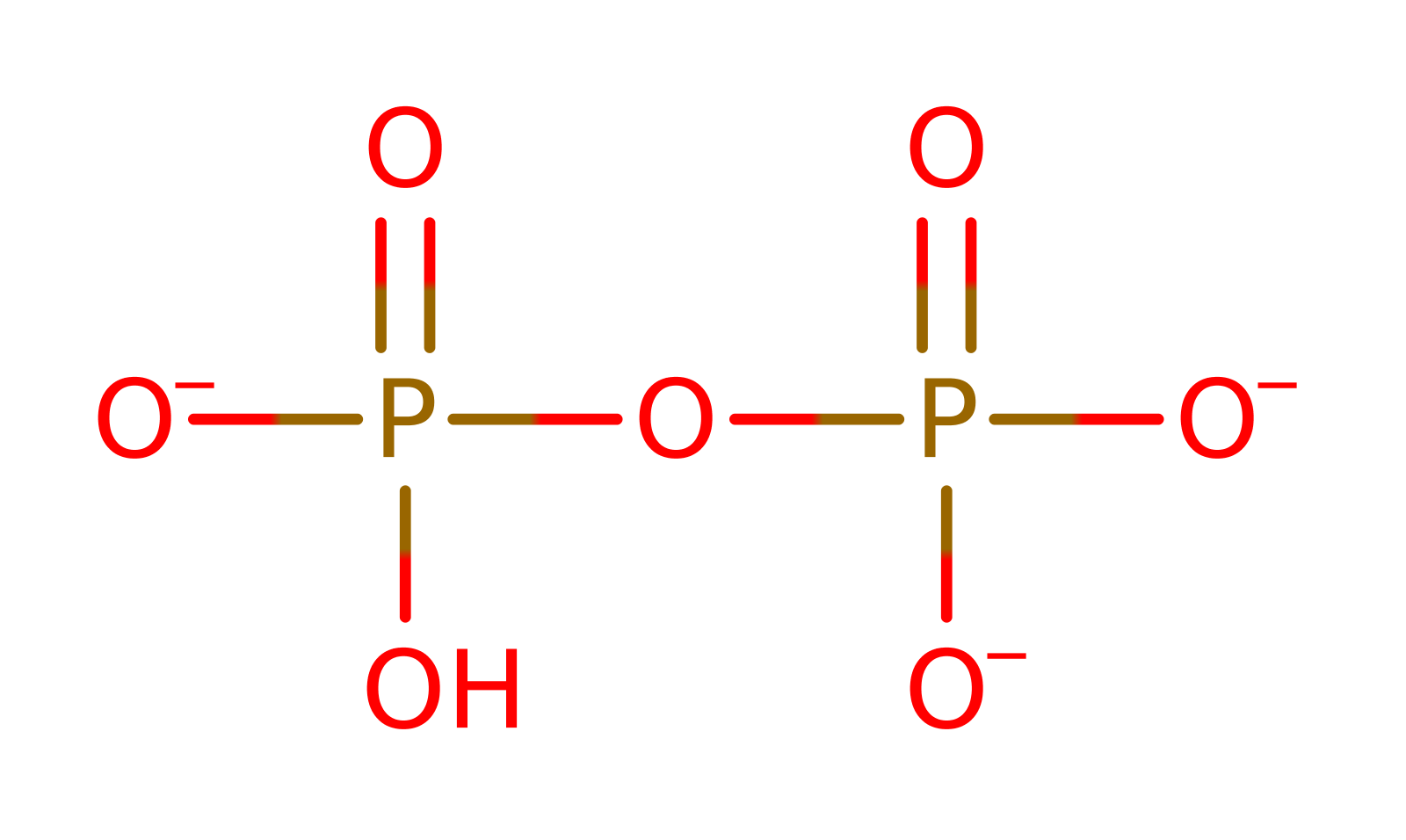
DHPS catalyses the reaction of para-aminobenzoic acid (pABA) with 7,8-dihydropterin-pyrophosphate to form pyrophosphate and 7,8-dihydropteroate. The condensation of pABA with DHPPP to form 7,8-dihydropteroate occurs via an SN1 reaction mechanism in an ordered manner in which DHPPP first binds DHPS, which then eliminates its pyrophosphate group (PPi) prior to pABA binding by stabilizing the cationic intermediate DHP+. Two positively charged residues in the enzyme polarise the C6-C9 bond of the substrate, facilitating the nucleophilic attack.
Catalytic Residues Roles
| UniProt | PDB* (1aj0) | ||
| Lys221, Arg255 | Lys221A, Arg255A | Polarises C6-C9 bond of substrate. | activator |
Chemical Components
References
- Baca AM et al. (2000), J Mol Biol, 302, 1193-1212. Crystal structure of Mycobacterium tuberculosis 6-hydroxymethyl-7,8-dihydropteroate synthase in complex with pterin monophosphate: new insight into the enzymatic mechanism and sulfa-drug action. DOI:10.1006/jmbi.2000.4094. PMID:11007651.
- Hammoudeh DI et al. (2013), Future Med Chem, 5, 1331-1340. Replacing sulfa drugs with novel DHPS inhibitors. DOI:10.4155/fmc.13.97. PMID:23859210.
- Yun MK et al. (2012), Science, 335, 1110-1114. Catalysis and Sulfa Drug Resistance in Dihydropteroate Synthase. DOI:10.1126/science.1214641. PMID:22383850.
- Babaoglu K et al. (2004), Structure, 12, 1705-1717. Crystal Structure of 7,8-Dihydropteroate Synthase from Bacillus anthracis. DOI:10.1016/j.str.2004.07.011. PMID:15341734.
- Achari A et al. (1997), Nat Struct Biol, 4, 490-497. Crystal structure of the anti-bacterial sulfonamide drug target dihydropteroate synthase. DOI:10.1038/nsb0697-490. PMID:9187658.
- Hampele IC et al. (1997), J Mol Biol, 268, 21-30. Structure and function of the dihydropteroate synthase from staphylococcus aureus. DOI:10.1006/jmbi.1997.0944. PMID:9149138.

Catalytic Residues Roles
| Residue | Roles |
|---|---|
| Lys221A | activator |
| Arg255A | activator |