Sphingomyelin phosphodiesterase D (Class I)
Sphingomyelinase D (SMase D), isolated from Loxosceles laeta, catalyses the hydrolysis of sphingomyelin to ceramide 1-phosphate (C1P) and choline, and the hydrolysis of lysophosphatidyl choline to lysophosphatidic acid (LPA) and choline. This enzyme belongs to class I of the SMase D enzymes. SMase D is a component of Loxosceles spider venom and and is the principle toxin causing dermonecrosis, acute renal failure, platelet aggregation and systemic intravascular haemolysis. SMase D activity is not found anywhere else in the animal kingdom but some pathogenic bacteria, such as Corynebacterium pseudotuberculosis, produce a similar enzyme as an exotoxin. This enzyme belongs to the arthropod phospholipase D family, Class I subfamily.
In addition to hydrolysing sphingomyelin, the enzyme can hydrolyse lysophosphatidyl choline to lysophosphatidic acid and choline.
Reference Protein and Structure
- Sequence
-
Q8I914
 (4.6.1.-)
 (Sequence Homologues)
(PDB Homologues)
(Sequence Homologues)
(PDB Homologues)
- Biological species
-
Loxosceles laeta (South american recluse spider)
- PDB
-
2f9r
- Crystal structure of the inactive state of the Smase I, a sphingomyelinase D from Loxosceles laeta venom
(1.85 Å)



- Catalytic CATH Domains
-
3.20.20.190
 (see all for 2f9r)
- Cofactors
- Magnesium(2+) (1) Metal MACiE




Enzyme Mechanism
Introduction
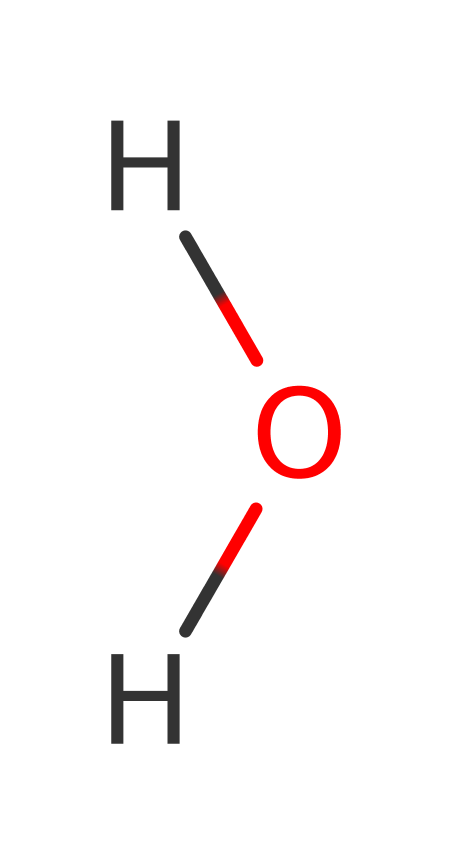
His47 is the nucleophile for attack on the phosphorous of the scissile phosphodiester. The resulting penta-coordinated intermediate is stabilised through interactions with Trp230 and Lys93, and water-mediated interactions to Mg(II). The intermediate collapses and the choline leaving group is protonated by His12. Water is deprotonated by His12 and then is the nucleophile for attack on the phosphorous of the intermediate. The resulting penta-coordinated intermediate is stabilised as before and collapses to eliminate His47 and form C1P.
Catalytic Residues Roles
| UniProt | PDB* (2f9r) | ||
| Glu58, Asp117 | Glu32B, Asp91B | These residues are involved in coordinating the magnesium ion. | metal ligand |
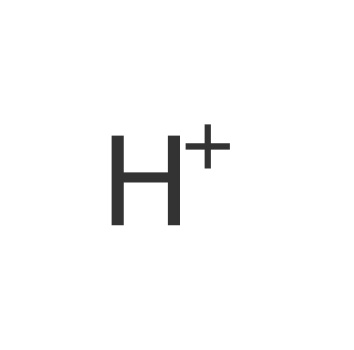
| His38 | His12B | His12 protonates the choline leaving group and deprotonates water for hydrolysis of the intermediate. | hydrogen bond acceptor, hydrogen bond donor, proton acceptor, proton donor |
| Trp256 | Trp230B | Trp230 stabilises the penta-coordinated intermediates during the reaction. | hydrogen bond donor, electrostatic stabiliser |
| His73 | His47B | His47 is the nucleophile for attack on the phosphorous of the scissile phosphodiester. It is the leaving group during the hydrolysis of the enzyme-substrate intermediate. | covalently attached, hydrogen bond donor, nucleophile, nucleofuge |
| Gly74 (main-C) | Gly48B (main-C) | The backbone carbonyl of Gly48 forms a hydrogen bond to His47ND1. This causes His47 to be in a hyperpolarized state, aiding nucleophilic attack on the substrate. | activator, hydrogen bond acceptor, hydrogen bond donor, electrostatic stabiliser |
| Asp60, Asp259, Asn278, Asp78 | Asp34B, Asp233B, Asn252B, Asp52B | Part of a hydrogen bonding network involving Asp52, Asp34, Asp233 and Asn252. It may be involved in modulating the pKa values of His12 and His47. | attractive charge-charge interaction, hydrogen bond acceptor, metal ligand, electrostatic stabiliser |
| Lys119 | Lys93B | Lys93 stabilises the penta-coordinated intermediates during the reaction. | attractive charge-charge interaction, hydrogen bond donor, electrostatic stabiliser |
Chemical Components
bimolecular nucleophilic addition, overall reactant used, intermediate formation, unimolecular elimination by the conjugate base, proton transfer, intermediate collapse, overall product formed, hydrolysis, enzyme-substrate complex cleavage, native state of enzyme regenerated, intermediate terminatedReferences
- Murakami MT et al. (2005), J Biol Chem, 280, 13658-13664. Structural Basis for Metal Ion Coordination and the Catalytic Mechanism of Sphingomyelinases D. DOI:10.1074/jbc.m412437200. PMID:15654080.
- Masood R et al. (2018), Int J Biol Macromol, 107, 1054-1065. Spider's venom phospholipases D: A structural review. DOI:10.1016/j.ijbiomac.2017.09.081. PMID:28951301.
- Ago H et al. (2006), J Biol Chem, 281, 16157-16167. Structural Basis of the Sphingomyelin Phosphodiesterase Activity in Neutral Sphingomyelinase from Bacillus cereus. DOI:10.1074/jbc.m601089200. PMID:16595670.
- Murakami MT et al. (2006), Biochem Biophys Res Commun, 342, 323-329. Structural insights into the catalytic mechanism of sphingomyelinases D and evolutionary relationship to glycerophosphodiester phosphodiesterases. DOI:10.1016/j.bbrc.2006.01.123. PMID:16480957.
- Obama T et al. (2003), Biol Pharm Bull, 26, 920-926. His151 and His296 Are the Acid-Base Catalytic Residues of Bacillus cereus Sphingomyelinase in Sphingomyelin Hydrolysis. DOI:10.1248/bpb.26.920. PMID:12843611.

Step 1. His47 is the nucleophile for attack on the phosphorous of the scissile phosphodiester. A penta-coordinated intermediate is formed.
Download: Image, Marvin FileCatalytic Residues Roles
| Residue | Roles |
|---|---|
| Asp233B | activator, hydrogen bond acceptor |
| Asn252B | activator, hydrogen bond acceptor, hydrogen bond donor |
| Gly48B (main-C) | activator, hydrogen bond acceptor, electrostatic stabiliser |
| Asp52B | activator, hydrogen bond acceptor |
| His12B | hydrogen bond donor |
| Lys93B | electrostatic stabiliser, attractive charge-charge interaction, hydrogen bond donor |
| Asp34B | attractive charge-charge interaction, hydrogen bond acceptor, metal ligand, electrostatic stabiliser |
| His47B | hydrogen bond donor |
| Trp230B | hydrogen bond donor, electrostatic stabiliser |
| Glu32B | metal ligand |
| Asp91B | metal ligand |
| His47B | nucleophile |
Chemical Components
ingold: bimolecular nucleophilic addition, overall reactant used, intermediate formation
Step 2. The intermediate collapses and eliminates choline, which is protonated by His12.
Download: Image, Marvin FileCatalytic Residues Roles
| Residue | Roles |
|---|---|
| Asp233B | activator, hydrogen bond acceptor |
| Asn252B | activator, hydrogen bond acceptor, hydrogen bond donor |
| Gly48B (main-C) | hydrogen bond donor |
| Asp52B | activator, hydrogen bond acceptor |
| His12B | hydrogen bond donor |
| Lys93B | electrostatic stabiliser, hydrogen bond donor |
| Asp34B | electrostatic stabiliser, hydrogen bond acceptor, attractive charge-charge interaction, metal ligand |
| His47B | covalently attached, hydrogen bond donor |
| Trp230B | electrostatic stabiliser, hydrogen bond donor |
| Glu32B | metal ligand |
| Asp91B | metal ligand |
| His12B | proton donor |
Chemical Components
ingold: unimolecular elimination by the conjugate base, proton transfer, intermediate collapse, intermediate formation, overall product formed
Step 3. His12 deprotonates water, which then acts as the nucleophile for attack on the phosphorous centre of the intermediate. A penta-coordinated intermediate is formed.
Download: Image, Marvin FileCatalytic Residues Roles
| Residue | Roles |
|---|---|
| Asp233B | activator, hydrogen bond acceptor |
| Asn252B | activator, hydrogen bond acceptor, hydrogen bond donor |
| Gly48B (main-C) | hydrogen bond acceptor |
| Asp52B | activator, hydrogen bond acceptor |
| His12B | hydrogen bond donor, hydrogen bond acceptor |
| Lys93B | attractive charge-charge interaction, hydrogen bond donor, electrostatic stabiliser |
| Asp34B | electrostatic stabiliser, hydrogen bond acceptor, attractive charge-charge interaction, metal ligand |
| His47B | covalently attached, hydrogen bond donor |
| Trp230B | electrostatic stabiliser, hydrogen bond donor |
| Glu32B | metal ligand |
| Asp91B | metal ligand |
| His12B | proton acceptor |
Chemical Components
proton transfer, ingold: bimolecular nucleophilic addition, hydrolysis, intermediate formation, overall reactant used
Step 4. The intermediate collapses and eliminates His47. This forms ceramide 1-phosphate.
Download: Image, Marvin FileCatalytic Residues Roles
| Residue | Roles |
|---|---|
| Asp233B | activator, hydrogen bond acceptor |
| Asn252B | activator, hydrogen bond acceptor, hydrogen bond donor |
| Gly48B (main-C) | hydrogen bond acceptor, electrostatic stabiliser |
| Asp52B | activator, hydrogen bond acceptor |
| His12B | hydrogen bond donor |
| Lys93B | electrostatic stabiliser, hydrogen bond donor |
| Asp34B | electrostatic stabiliser, hydrogen bond acceptor, attractive charge-charge interaction, metal ligand |
| His47B | hydrogen bond donor |
| Trp230B | electrostatic stabiliser, hydrogen bond donor |
| Glu32B | metal ligand |
| Asp91B | metal ligand |
| His47B | nucleofuge |
 Download: