Nudix hydrolase (YmfB)
Nudix hydrolases are enzymes that turn triphosphate nucleotides into monophosphate nucleotides in a stepwise manner which is crucial for the metabolism of thiamine pyrophosphate and important for several metabolic processes. In addition, they hydrolyse a wide range of organic pyrophosphates, including nucleotide sugars, dinucleoside polyphosphates, dinucleotide coenzymes and capped RNAs. They do this with a highly conserved 23-amino acid sequence called the Nudix motif. These proteins are present across the natural world from bacteria to humans.
Reference Protein and Structure
- Sequence
-
A1AA28
 (3.6.1.-)
 (Sequence Homologues)
(PDB Homologues)
(Sequence Homologues)
(PDB Homologues)
- Biological species
-
Escherichia coli APEC O1 (Bacteria)
- PDB
-
3shd
- Crystal structure of Nudix hydrolase Orf153, ymfB, from Escherichia coli K-1
(2.5 Å)



- Catalytic CATH Domains
-
3.90.79.10
 (see all for 3shd)
- Cofactors
- Magnesium(2+) (2)




Enzyme Mechanism
Introduction
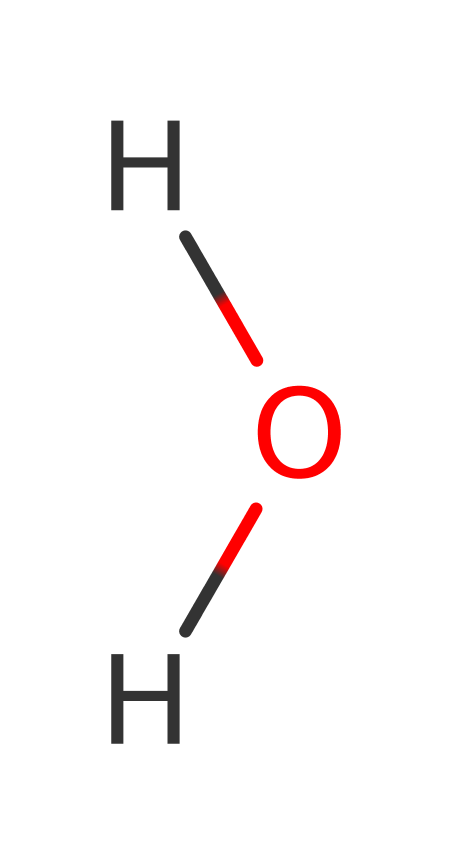
The divalent metal ions (here represented as Mg2+) lower the pKa of water to 5.2 and allow a hydroxide to form and attack a phosphate molecule. Glu23 and Arg119 stabilise the charges on the phosphates of the substrate. Although the EC:3.6.1.28 only shows one hydrolysis reaction (to form thiamine diphosphate) the mechanism depicted shows a second hydrolysis reaction to form thiamine monophosphate, which is the real product of this enzyme reaction.
Catalytic Residues Roles
| UniProt | PDB* (3shd) | ||
| Glu55, Glu51 | Glu55I, Glu51I | Glu51 and Glu55 coordinate the divalent metal ions into the active site. Mutation of these residues results in complete loss of function. | metal ligand |
| Glu23, Arg119 | Glu23I, Arg119I | Glu23 and Arg119 are crucial for stabilising the negatively charged phosphates in the active site. | electrostatic stabiliser |
Chemical Components
bimolecular nucleophilic substitution, overall reactant used, hydrolysis, overall product formedReferences
- Hong M et al. (2014), Acta Crystallogr D Biol Crystallogr, 70, 1297-1310. Divalent metal ion-based catalytic mechanism of the Nudix hydrolase Orf153 (YmfB) fromEscherichia coli. DOI:https://doi.org/10.1107/S1399004714002570.
- Xu W et al. (2006), J Biol Chem, 281, 22794-22798. Three new Nudix hydrolases from Escherichia coli. DOI:10.1074/jbc.M603407200. PMID:16766526.

Step 1. The Mg2+ ions lower the pKa of water to allow a hydroxide to form and attack the terminal phosphate group. Glu23 and Arg119 stabilise the charges on the substrates phosphates.
Download: Image, Marvin FileCatalytic Residues Roles
| Residue | Roles |
|---|---|
| Glu55I | metal ligand |
| Glu51I | metal ligand |
| Glu23I | electrostatic stabiliser |
| Arg119I | electrostatic stabiliser |
Chemical Components
ingold: bimolecular nucleophilic substitution, overall reactant used, hydrolysis
Step 2. A second hydroxide binds the two metal ion and the reaction is repeated, this time on the Beta phosphate, which leads to the formation of thiamine phosphate.
Download: Image, Marvin FileCatalytic Residues Roles
| Residue | Roles |
|---|---|
| Glu23I | electrostatic stabiliser |
| Arg119I | electrostatic stabiliser |
| Glu55I | metal ligand |
| Glu51I | metal ligand |
 Download: