Α‑glucosidase maltase-glucoamylase
α‑Glucosidase Maltase- Glucoamylase catalyses the digestion of starch. α‑Glucosidase inhibitors have been efficient in delaying glucose production, which is crucial for regulating postprandial blood glucose levels and can be used for therapeutic purposes to reduce the damage and complications in diabetics and obesity.
Reference Protein and Structure
- Sequence
-
O43451
 (3.2.1.3, 3.2.1.20)
 (Sequence Homologues)
(PDB Homologues)
(Sequence Homologues)
(PDB Homologues)
- Biological species
-
Homo sapiens (Human)
- PDB
-
2qmj
- Crystral Structure of the N-terminal Subunit of Human Maltase-Glucoamylase in Complex with Acarbose
(1.9 Å)



- Catalytic CATH Domains
-
2.60.40.1760
 3.20.20.80
(see all for 2qmj)
3.20.20.80
(see all for 2qmj)
Enzyme Reaction (EC:3.2.1.20)




Enzyme Mechanism
Introduction
The mechanism involves cleavage of the maltose molecule with net retention of anomeric configuration. Asp443 performs a nucleophilic attack on the anomeric carbon of the maltose molecule and then attack of a water molecule forms the second glucose product. Asp542 acts as a general acid/base catalyst.
Catalytic Residues Roles
| UniProt | PDB* (2qmj) | ||
| Asp628 | Asp542A | General acid/base catalyst. | proton acceptor, proton donor |
| Asp529 | Asp443A | Asp443 stabilises and modulates the pKa throughout the glycosylation step of the reaction by forming a water-mediated hydrogen bond with Asp366. | nucleophile |
| Asp452 | Asp366A | Asp366 stabilises and modulates the pKa throughout the glycosylation step of the reaction by forming a water-mediated hydrogen bond with Asp443. | modifies pKa |
| Met530 | Met444A | Steric role. | steric role |
| Tyr300 | Tyr214A | Stacking interaction with the sugar rings helps with the position of the substrate in the active site. | modifies pKa, pi-pi interaction |
| Trp492, Trp625 | Trp406A, Trp539A | Bulky residues, contribute to stacking interactions that properly orient the maltose rings. | pi-pi interaction |
| His686, Asp529, Arg612, Asp413 | His600A, Asp443A, Arg526A, Asp327A | Contribute to the orientation of the sugars by forming hydrogen bonds with the hydroxyl group of the sugar rings. | steric role |
Chemical Components
acidic bimolecular nucleophilic substitution, proton transferReferences
- Brás NF et al. (2018), J Phys Chem B, 122, 3889-3899. Mechanistic Pathway on Human α-Glucosidase Maltase-Glucoamylase Unveiled by QM/MM Calculations. DOI:10.1021/acs.jpcb.8b01321. PMID:29548257.

Step 1. Asp443 performs a nucleophilic attack on the anomeric carbon of the maltose molecule, while Asp542 acts as a general acid/base and protonates the glyosidic oxygen atom.
Download: Image, Marvin FileCatalytic Residues Roles
| Residue | Roles |
|---|---|
| Asp443A | nucleophile |
| Asp542A | proton donor |
| Asp327A | steric role |
| His600A | steric role |
| Tyr214A | pi-pi interaction |
| Trp406A | pi-pi interaction |
| Trp539A | pi-pi interaction |
| Asp366A | modifies pKa |
| Tyr214A | modifies pKa |
| Arg526A | steric role |
| Met444A | steric role |
Chemical Components
ingold: acidic bimolecular nucleophilic substitution, proton transfer
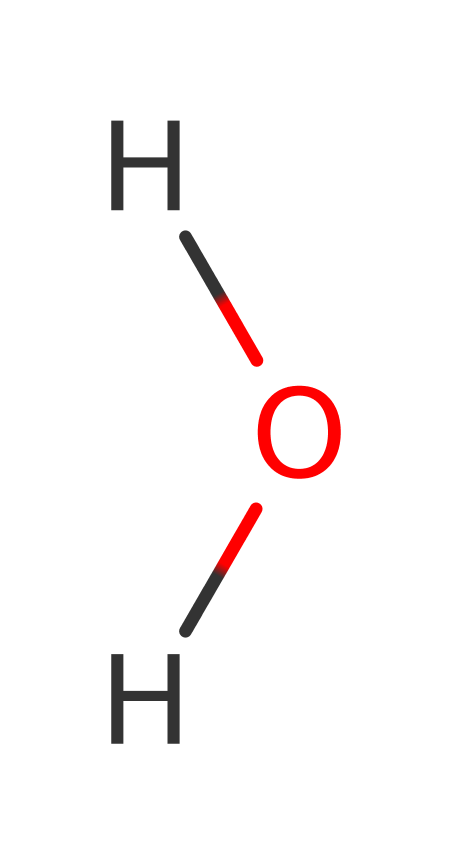
Step 2. Asp542 deprotonates the water molecule which in turn attacks the anomeric carbon and forms a covalent bond.
Download: Image, Marvin FileCatalytic Residues Roles
| Residue | Roles |
|---|---|
| Asp542A | proton acceptor |
Chemical Components
ingold: acidic bimolecular nucleophilic substitution
Catalytic Residues Roles
| Residue | Roles |
|---|