Nitric-oxide synthase
Nitric oxide synthase (NOS) enzymes produce nitric oxide (NO) by catalysing a five-electron oxidation of a guanidino nitrogen of L-arginine (L-Arg). Oxidation of L-Arg to L-citrulline occurs via two successive monooxygenation reactions producing N(omega)-hydroxy-L-arginine as an intermediate. 2 Mols of dioxygen and 1.5 Mol of NADPH are consumed per mole of NO formed [PMID: 8782597]. Arginine-derived NO synthesis has been identified in mammals, fish, birds, invertebrates, plants, and bacteria [PMID: 8782597].
Reference Protein and Structure
- Sequence
-
P29474
 (1.14.13.39)
 (Sequence Homologues)
(PDB Homologues)
(Sequence Homologues)
(PDB Homologues)
- Biological species
-
Homo sapiens (Human)
- PDB
-
3nos
- HUMAN ENDOTHELIAL NITRIC OXIDE SYNTHASE WITH ARGININE SUBSTRATE
(2.4 Å)



- Catalytic CATH Domains
-
3.90.340.10
 3.90.1230.10
(see all for 3nos)
3.90.1230.10
(see all for 3nos)
- Cofactors
- Heme b (1), Fmnh2(2-) (1), Tetrahydrobiopterin (1), Fadh2(2-) (1)
Enzyme Reaction (EC:1.14.13.39)


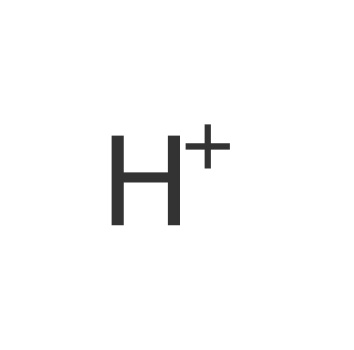

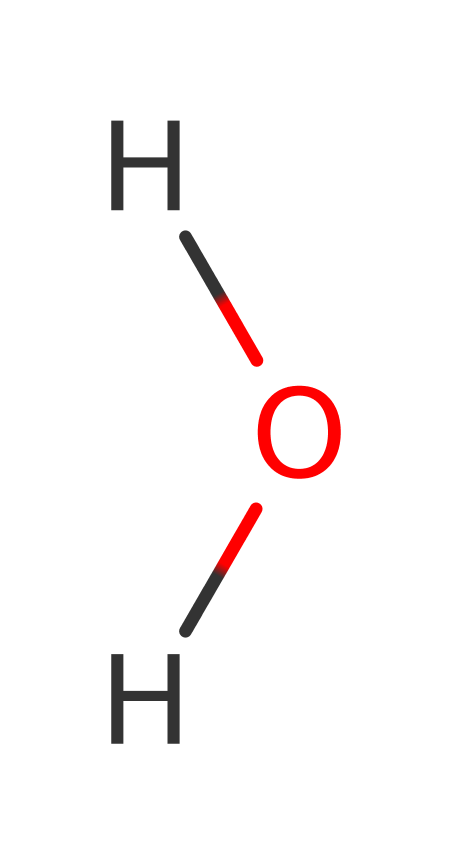


Enzyme Mechanism
Introduction
NOS catalysis is a two-step process: the substrate, l-Arg, is first converted to N-hydroxy-l-arginine (NOHA), which in turn is converted to NO and citrulline. The oxidation mechanism of the substrate by NOS heme is intricate, and many details of the chemistry mechanism remain to be fully elucidated.
N-terminal catalytic heme-containing oxygenase domain (NOSoxy), which belongs to class of heme-thiolate proteins and is not structurally related to cyt P450s, and a C-terminal flavin-containing reductase domain (NOSred), which is structurally similar to P450 reductase. The L-Arg substrate and an essential cofactor, (6R)-5,6,7,8-tetrahydrobiopterin, both bind near the heme centre in the oxygenase domain, where the catalytic production of NO takes place. NOSred contains ferredoxin-NADP+-reductase (FNR) and FMN modules and is similar to other NADPH-utilizing dual flavin oxidoreductases. NOSred catalyses transfer of the reducing equivalents from the two-electron donor NADPH to the heme iron, a one-electron acceptor, where dioxygen molecule can bind Fe2+ and be activated. Eukaryotic NOS isozymes are thus catalytically self-sufficient.
Catalytic Residues Roles
| UniProt | PDB* (3nos) | ||
| Glu361 | Glu361(296)A | Glu-361 in human endothelial NOS is specifically involved in the interaction with L-arginine and is thought to help stabilise the reactive intermediates and transition states formed during the course of the reaction. | electrostatic stabiliser |
| Cys184 | Cys184(119)A | The heme iron is pentacoordinate with the cysteine sulfur of Cys184, providing the single axial coordination. | metal ligand |
| Arg187 | Arg187(122)A | Thought to be critical in preserving the heme proximal structure and thus, is indirectly involved in both catalysis and electron transfer from the reductase domain to the heme. | steric role |
| Trp356 (main-C) | Trp356(291)A (main-C) | Thought to help stabilise the reactive intermediates and transition states formed during the course of the reaction. | electrostatic stabiliser |
Chemical Components
References
- Crane BR (1998), Science, 279, 2121-2126. Structure of Nitric Oxide Synthase Oxygenase Dimer with Pterin and Substrate. DOI:10.1126/science.279.5359.2121.
- Ramasamy S et al. (2016), FEBS J, 283, 4491-4501. Tetrahydrobiopterin redox cycling in nitric oxide synthase: evidence supports a through-heme electron delivery. DOI:10.1111/febs.13933. PMID:27760279.
- Sheng Y et al. (2015), J Inorg Biochem, 153, 186-196. Insight into structural rearrangements and interdomain interactions related to electron transfer between flavin mononucleotide and heme in nitric oxide synthase: A molecular dynamics study. DOI:10.1016/j.jinorgbio.2015.08.006. PMID:26277414.
- Devika NT et al. (2014), J Mol Model, 20, 2470-. Molecular modeling and simulation of the human eNOS reductase domain, an enzyme involved in the release of vascular nitric oxide. DOI:10.1007/s00894-014-2470-7. PMID:25287765.
- Feng C et al. (2014), J Inorg Biochem, 130, 130-140. Dissecting regulation mechanism of the FMN to heme interdomain electron transfer in nitric oxide synthases. DOI:10.1016/j.jinorgbio.2013.09.005. PMID:24084585.
- Du M et al. (2003), J Biol Chem, 278, 6002-6011. Redox properties of human endothelial nitric-oxide synthase oxygenase and reductase domains purified from yeast expression system. DOI:10.1074/jbc.M209606200. PMID:12480940.
- Pant K et al. (2002), Biochemistry, 41, 11071-11079. Structure of a Nitric Oxide Synthase Heme Protein fromBacillus subtilis†,‡. DOI:10.1021/bi0263715. PMID:12220171.
- Sato Y et al. (2001), J Inorg Biochem, 87, 261-266. Critical role of the neuronal nitric-oxide synthase heme proximal side residue, Arg418, in catalysis and electron transfer. DOI:10.1016/s0162-0134(01)00334-8. PMID:11744064.
- Fischmann TO et al. (1999), Nat Struct Biol, 6, 233-242. Structural characterization of nitric oxide synthase isoforms reveals striking active-site conservation. DOI:10.1038/6675. PMID:10074942.
- Crane BR et al. (1998), Science, 279, 2121-2126. Structure of nitric oxide synthase oxygenase dimer with pterin and substrate. PMID:9516116.
- Chen PF et al. (1997), J Biol Chem, 272, 6114-6118. Mutation of Glu-361 in human endothelial nitric-oxide synthase selectively abolishes L-arginine binding without perturbing the behavior of heme and other redox centers. PMID:9045621.
- Liu Q et al. (1996), Methods Enzymol, 268, 311-324. Binding sites of nitric oxide synthases. PMID:8782597.
- Chen PF et al. (1994), J Biol Chem, 269, 25062-25066. Cysteine 184 of endothelial nitric oxide synthase is involved in heme coordination and catalytic activity. PMID:7523378.

Catalytic Residues Roles
| Residue | Roles |
|---|---|
| Arg187(122)A | steric role |
| Cys184(119)A | metal ligand |
| Trp356(291)A (main-C) | electrostatic stabiliser |
| Glu361(296)A | electrostatic stabiliser |