Acylphosphatase
Acylphosphatase is one of the smallest enzymes, with only 98 residues. The exact biological function of ACP (Acylphosphatase) is unknown, but may involve regulation in all metabolic pathways involving acylphosphates, especially glycolysis and pyrimidine biosynthesis. It is found in many vertebrate tissues in two homologous isoforms. This entry represents the common type isoform.
Reference Protein and Structure
- Sequence
-
P41500
 (3.6.1.7)
 (Sequence Homologues)
(PDB Homologues)
(Sequence Homologues)
(PDB Homologues)
- Biological species
-
Bos taurus (Cattle)
- PDB
-
2acy
- ACYL-PHOSPHATASE (COMMON TYPE) FROM BOVINE TESTIS
(1.8 Å)



- Catalytic CATH Domains
-
3.30.70.100
 (see all for 2acy)
Enzyme Reaction (EC:3.6.1.7)


+
→

+

+



Alternative enzyme names: 1,3-diphosphoglycerate phosphatase, GP 1-3, Ho 1-3, Acetic phosphatase, Acetylphosphatase,
Enzyme Mechanism
Introduction
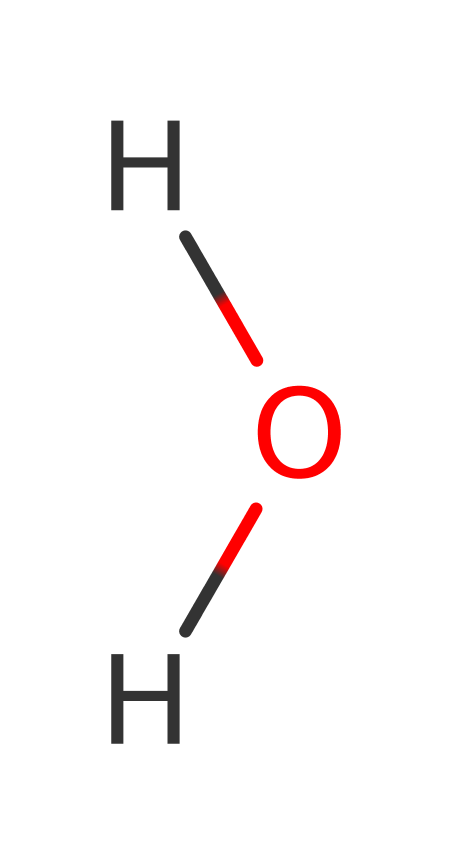
Little is known about the mechanism. A reaction mechanism has been suggested in which the phosphate moiety bound to Arg23 acts as a base, abstracting a proton from a nucleophilic water molecule liganded to Asn41. The transition-state intermediate is stabilised by the phosphate-binding loop.
Catalytic Residues Roles
| UniProt | PDB* (2acy) | ||
| Arg26 | Arg23A | Thought to stabilise the intermediates and transition states formed during the course of the reaction. | electrostatic stabiliser |
| Asn44 | Asn41A | Asn41 is thought to polarise and orient a water molecule, which is the attacking nucleophile of the leaving phosphate group. Asn41 is essential for catalysis as determined by mutagenesis. | modifies pKa |
*PDB label guide - RESx(y)B(C) - RES: Residue Name; x: Residue ID in PDB file;
y: Residue ID in PDB sequence if different from PDB file; B: PDB Chain;
C: Biological Assembly Chain if different from PDB. If label is "Not Found" it means this residue is not found in the reference PDB.
Chemical Components
References
- Stefani M et al. (1997), Cell Mol Life Sci, 53, 141-151. Insights into acylphosphatase structure and catalytic mechanism. DOI:10.1007/PL00000585.
- Cheung YY et al. (2005), Biochemistry, 44, 4601-4611. Crystal structure of a hyperthermophilic archaeal acylphosphatase from Pyrococcus horikoshii--structural insights into enzymatic catalysis, thermostability, and dimerization. DOI:10.1021/bi047832k. PMID:15779887.
- Paoli P et al. (1999), Arch Biochem Biophys, 363, 349-355. The contribution of acidic residues to the conformational stability of common-type acylphosphatase. DOI:10.1006/abbi.1998.1097. PMID:10068458.
- Thunnissen MM et al. (1997), Structure, 5, 69-79. Crystal structure of common type acylphosphatase from bovine testis. DOI:10.1016/s0969-2126(97)00167-6. PMID:9016712.

Catalytic Residues Roles
| Residue | Roles |
|---|---|
| Asn41A | modifies pKa |
| Arg23A | electrostatic stabiliser |