Serine-tRNA ligase (archaeal)
Serine-tRNA ligase (EC:6.1.1.11) exists as monomer and belongs to class IIa [PMID: 7540217]. The serine-tRNA ligases from a few of the archaea that belong to this group are different from the set of mutually more closely related serine-tRNA ligases from eubacteria, eukaryotes, and other archaea (IPR002317).
Reference Protein and Structure
- Sequence
-
Q46AN5
 (6.1.1.11)
 (Sequence Homologues)
(PDB Homologues)
(Sequence Homologues)
(PDB Homologues)
- Biological species
-
Methanosarcina barkeri str. Fusaro (Archaea)
- PDB
-
2cja
- Crystal structure of Methanosarcina barkeri seryl-tRNA synthetase complexed with ATP
(2.2 Å)



- Catalytic CATH Domains
-
3.30.930.10
 (see all for 2cja)
- Cofactors
- Zinc(2+) (1), Magnesium(2+) (2)
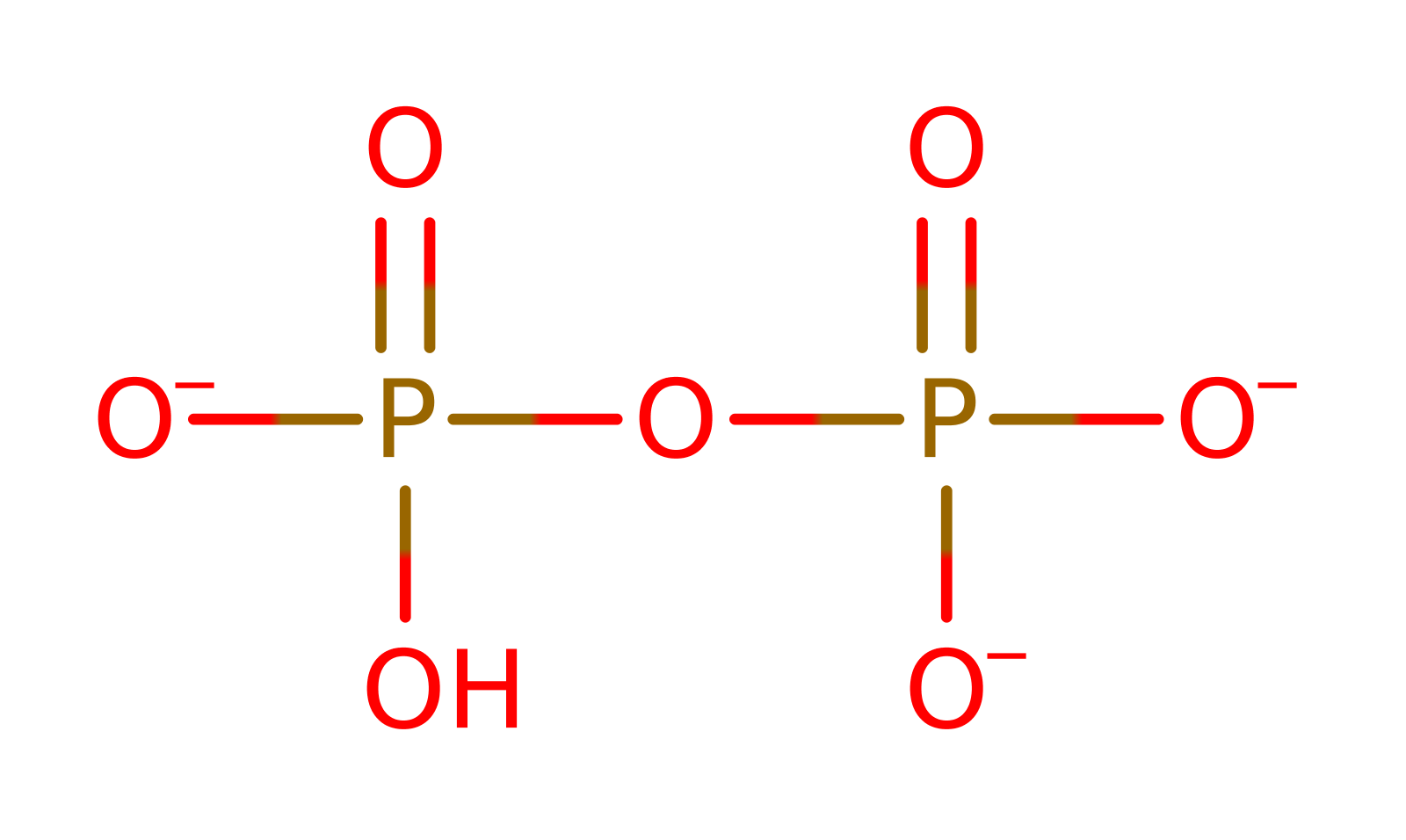
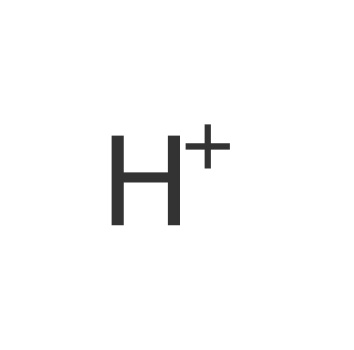
Enzyme Reaction (EC:6.1.1.11)




Enzyme Mechanism
Introduction
The reaction mechanism of aSerRS would follow an in-line displacement mechanism as observed in other class II proteins. The active site binds ATP in a U-shaped conformation with the α-phosphate in proximity to the carboxylate group of the serine, which leads to the in-line nucleophilic attack by the carboxylate group of serine and the inversion of configuration at the α -phosphate group. The second substrates then attacks the intermediate to form the amino acyl-tRNA and phosphate products.
Catalytic Residues Roles
| UniProt | PDB* (2cja) | ||
| Glu338 | Glu338(358)A | Forms part of the magnesium 1 binding site (along with ATP) | metal ligand |
| Asp416, Glu432, Asn435 | Asp416(436)A, Glu432(452)A, Asn435(455)A | Forms part of the magnesium 2 binding site (along with ATP). | metal ligand |
| Arg336, Arg347, Arg468 | Arg336(356)A, Arg347(367)A, Arg468(488)A | The approaching negative charges of the serine carboxylate and of the phosphate is offset by the positively charged side chain of the conserved argenine residues and the metal ions. | electrostatic stabiliser |
| Glu355, Cys461, Cys306 | Glu355(375)A, Cys461(481)A, Cys306(326)A | Forms part of the catalytic zinc binding site. | metal ligand |
Chemical Components
References
- Bilokapic S et al. (2006), EMBO J, 25, 2498-2509. Structure of the unusual seryl-tRNA synthetase reveals a distinct zinc-dependent mode of substrate recognition. DOI:10.1038/sj.emboj.7601129. PMID:16675947.

Catalytic Residues Roles
| Residue | Roles |
|---|---|
| Cys306(326)A | metal ligand |
| Glu338(358)A | metal ligand |
| Glu355(375)A | metal ligand |
| Asp416(436)A | metal ligand |
| Glu432(452)A | metal ligand |
| Asn435(455)A | metal ligand |
| Cys461(481)A | metal ligand |
| Arg336(356)A | electrostatic stabiliser |
| Arg347(367)A | electrostatic stabiliser |
| Arg468(488)A | electrostatic stabiliser |