Glutamine---tRNA ligase
Aminoacyl-tRNA synthetases are required in all three domains of life for covalently attaching amino acids to their cognate tRNA molecules for use in protein synthesis. Glutamine-tRNA ligase (EC:6.1.1.18) is a class IC aminoacyl-tRNA ligase that catalyses the ligation of L-Gln to it's corresponding tRNA.
Reference Protein and Structure
- Sequence
-
P00962
 (6.1.1.18)
 (Sequence Homologues)
(PDB Homologues)
(Sequence Homologues)
(PDB Homologues)
- Biological species
-
Escherichia coli K-12 (Bacteria)
- PDB
-
1euy
- GLUTAMINYL-TRNA SYNTHETASE COMPLEXED WITH A TRNA MUTANT AND AN ACTIVE SITE INHIBITOR
(2.6 Å)



- Catalytic CATH Domains
-
3.40.50.620
 1.10.1160.10
(see all for 1euy)
1.10.1160.10
(see all for 1euy)
- Cofactors
- Water (1)
Enzyme Reaction (EC:6.1.1.18)


+

+

→
+

+


Alternative enzyme names: GlnRS, Glutamate-tRNA ligase, Glutamine translase, Glutamine-tRNA synthetase, Glutaminyl ribonucleic acid, Glutaminyl-tRNA synthetase, Glutaminyl-transfer RNA synthetase, Glutaminyl-transfer ribonucleate synthetase,
Enzyme Mechanism
Introduction
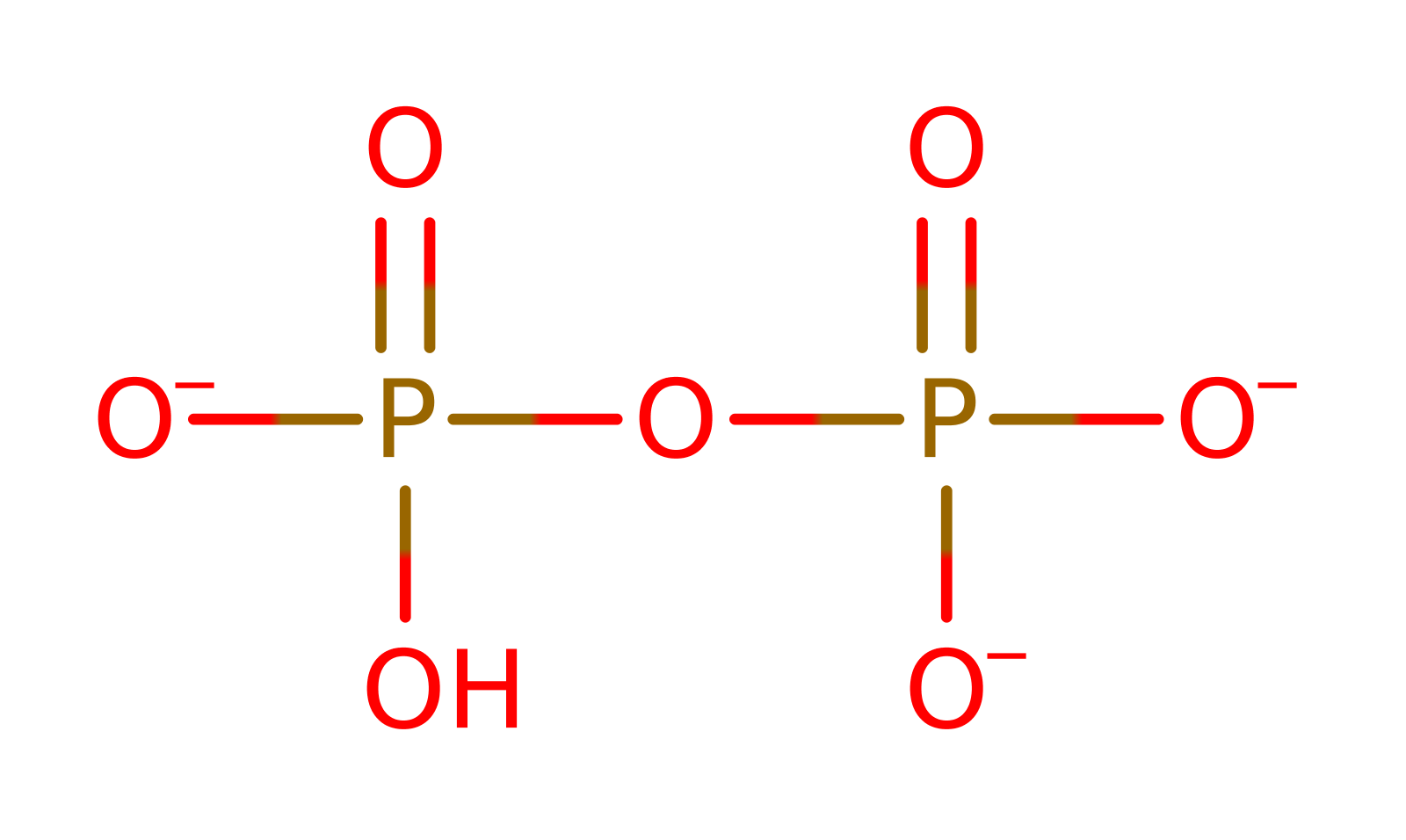
The reaction mechanism follows the normal adenylate pathway in which glutamate displaces the diphosphate moiety from ATP. Then a water molecule, activated by Glu34, abstracts the proton from the C2 of the tRNA adenine group, which in turn attacks the carbonyl of the Gln-AMP moiety.
Catalytic Residues Roles
| UniProt | PDB* (1euy) | ||
| Glu35 | Glu34(35)A(B) | Acts as a general acid/base to the catalytic water molecule. The nucleophilicity of the 2′-hydroxyl group may be enhanced through a water-mediated interaction with Glu34. | proton shuttle (general acid/base) |
| Lys271, Arg261 | Lys270(271)A(B), Arg260(261)A(B) | Stabilise the negatively charged transition states and intermediates formed during the course of the reaction. | electrostatic stabiliser |
*PDB label guide - RESx(y)B(C) - RES: Residue Name; x: Residue ID in PDB file;
y: Residue ID in PDB sequence if different from PDB file; B: PDB Chain;
C: Biological Assembly Chain if different from PDB. If label is "Not Found" it means this residue is not found in the reference PDB.
Chemical Components
References
- Rath VL et al. (1998), Structure, 6, 439-449. How glutaminyl-tRNA synthetase selects glutamine. DOI:10.1016/s0969-2126(98)00046-x. PMID:9562563.
- Green DF et al. (2004), J Mol Biol, 342, 435-452. Escherichia coli glutaminyl-tRNA synthetase is electrostatically optimized for binding of its cognate substrates. DOI:10.1016/j.jmb.2004.06.087. PMID:15327945.
- Freist W et al. (1997), Biol Chem, 378, 1103-1117. Glutaminyl-tRNA synthetase. PMID:9372179.

Catalytic Residues Roles
| Residue | Roles |
|---|---|
| Glu34(35)A(B) | proton shuttle (general acid/base) |
| Arg260(261)A(B) | electrostatic stabiliser |
| Lys270(271)A(B) | electrostatic stabiliser |