Ca(II)-transporting ATPase
This enzyme is a key regulator of striated muscle performance by acting as the major Ca(II)-ATPase responsible for the reuptake of cytosolic Ca(II) into the sarcoplasmic reticulum. Catalyses the hydrolysis of ATP coupled with the translocation of calcium from the cytosol to the sarcoplasmic reticulum lumen. Contributes to calcium sequestration involved in muscular excitation/contraction.
Reference Protein and Structure
- Sequence
-
P04191
 (7.2.2.10)
 (Sequence Homologues)
(PDB Homologues)
(Sequence Homologues)
(PDB Homologues)
- Biological species
-
Oryctolagus cuniculus (rabbit)
- PDB
-
1su4
- Crystal structure of calcium ATPase with two bound calcium ions
(2.4 Å)



- Catalytic CATH Domains
-
3.40.50.1000
 (see all for 1su4)
- Cofactors
- Magnesium(2+) (1)
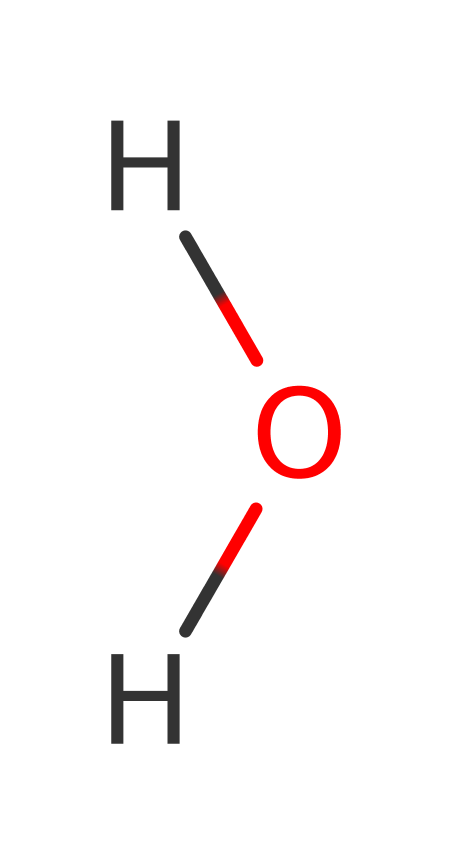
Enzyme Reaction (EC:7.2.2.10)






Enzyme Mechanism
Introduction
The mechanism of the Ca(II)-ATPase is usually discussed in terms of the E1–E2 model developed from the Post-Albers scheme for the (Na+,K+)-ATPase. This model proposes that the Ca(II)-ATPase can exist in one of two distinct forms, E1 and E2. In the E1 conformation, the ATPase contains two high-affinity binding sites for Ca(II) that are exposed to the cytoplasm, whereas in the E2 conformation these two sites have been transformed into low-affinity sites exposed to the lumen of the SR
Following the binding of MgATP to the Ca(II)-bound form of the ATPase, the ATPase is phosphorylated at Asp351 and undergoes a change in conformation to the E2 state. Following loss of Ca(II) to the lumen of the SR, the ATPase is dephosphorylated and is recycled to the E1 state.
Catalytic Residues Roles
| UniProt | PDB* (1su4) | ||
| Asp351 | Asp351A | Forms a 4-aspartylphosphate intermediate. This residue acts as a nucleophile to the phosphate of ATP, cleaving the phosphoester bond. The phosphorylation of this residue causes a conformation change in the protein, which results in the transport of Ca(II) across the membrane barrier. | covalent catalysis |
| Asp703, Asp707 | Asp703A, Asp707A | Forms part of the magnesium binding site. | metal ligand |
Chemical Components
References
- Lee AG et al. (2001), Biochem J, 356, 665-683. What the structure of a calcium pump tells us about its mechanism. DOI:10.1042/0264-6021:3560665. PMID:11389676.
- Espinoza-Fonseca LM et al. (2014), PLoS One, 9, e95979-. Microsecond molecular dynamics simulations of Mg²⁺- and K⁺-bound E1 intermediate states of the calcium pump. DOI:10.1371/journal.pone.0095979. PMID:24760008.
- Kekenes-Huskey PM et al. (2012), Protein Sci, 21, 1429-1443. Calcium binding and allosteric signaling mechanisms for the sarcoplasmic reticulum Ca²+ ATPase. DOI:10.1002/pro.2129. PMID:22821874.
- Bublitz M et al. (2010), Curr Opin Struct Biol, 20, 431-439. In and out of the cation pumps: P-type ATPase structure revisited. DOI:10.1016/j.sbi.2010.06.007. PMID:20634056.
- Huang Y et al. (2009), J Comput Chem, 30, 2136-2145. Molecular dynamics simulation exploration of cooperative migration mechanism of calcium ions in sarcoplasmic reticulum Ca2+-ATPase. DOI:10.1002/jcc.21219. PMID:19242958.
- Andersson J et al. (2008), Biophys J, 94, 600-611. Protonation and hydrogen bonding of Ca2+ site residues in the E2P phosphoenzyme intermediate of sarcoplasmic reticulum Ca2+-ATPase studied by a combination of infrared spectroscopy and electrostatic calculations. DOI:10.1529/biophysj.107.114033. PMID:17890386.
- Toyoshima C et al. (2000), Nature, 405, 647-655. Crystal structure of the calcium pump of sarcoplasmic reticulum at 2.6 A resolution. DOI:10.1038/35015017. PMID:10864315.

Catalytic Residues Roles
| Residue | Roles |
|---|---|
| Asp351A | covalent catalysis |
| Asp703A | metal ligand |
| Asp707A | metal ligand |