Arsenite-transporting ATPase
The ArsAB pump is able to catalyse the active transport of toxic heavy metal ions out of the cell. Since heavy metal ions such as arsenic are able to bind irreversibly to many enzymes and permanently deactivate them, it is essential for the survival of the organism that such pumps work correctly; inhibition of these pumps in bacteria may therefore be an antibiotic target. The enzyme uses changes in the tertiary structure that occur when ATP is hydrolysed in order to power the transport of the heavy metal ions against the concentration gradient across the cell membrane, and is activated by the binding of metalloids such as antimony (Sb III) to allosteric sites. The transporter is part of a wider family of ATP utilising proteins, all of which display the Rossman fold, including such well known examples as the ABC transporters.
Reference Protein and Structure
- Sequence
-
P08690
 (7.3.2.7)
 (Sequence Homologues)
(PDB Homologues)
(Sequence Homologues)
(PDB Homologues)
- Biological species
-
Escherichia coli (Bacteria)
- PDB
-
1f48
- CRYSTAL STRUCTURE OF THE ESCHERICHIA COLI ARSENITE-TRANSLOCATING ATPASE
(2.3 Å)



- Catalytic CATH Domains
-
3.40.50.300
 (see all for 1f48)
- Cofactors
- Magnesium(2+) (1)
Enzyme Reaction (EC:7.3.2.7)






Enzyme Mechanism
Introduction
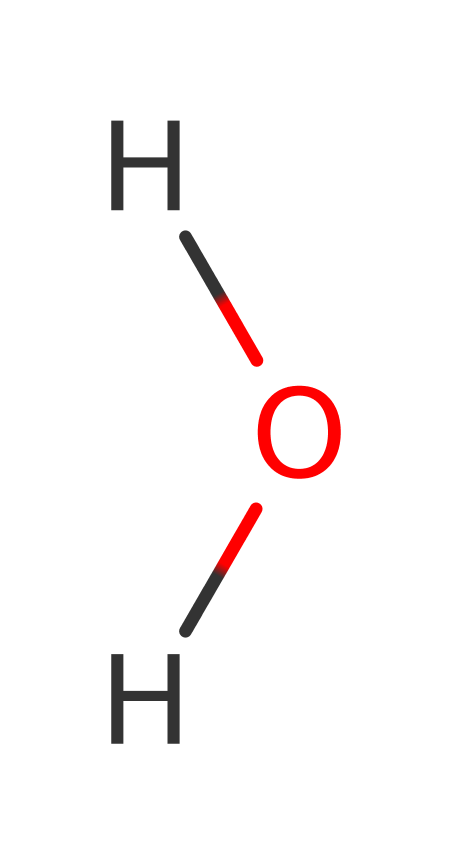
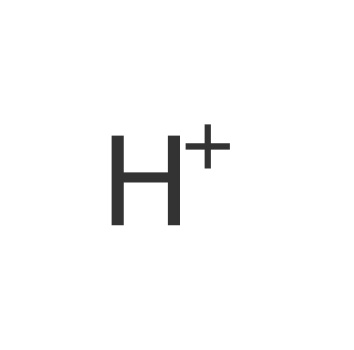
The catalytic activity of the ATP hydrolysing subunit of the protein is provided by the residues Lys 21 and Gly 18, along with Mg2+, all of which act together to stabilise the pentavalent phosphate transition state that forms when a water molecule acts as a nucleophile to attack the gamma phosphate of ATP. The phosphate leaving group acts as the base to deprotonate the water molecule.
Catalytic Residues Roles
| UniProt | PDB* (1f48) | ||
| Gly18 (main-N) | Gly18A (main-N) | Amide forms electrostatic contacts with the gamma phosphate of ATP, thus stabilises the pentavalent phosphate transition state. | electrostatic stabiliser |
| Thr22, Asp45 | Thr22A, Asp45A | Form magnesium binding site | |
| Ser23, Lys21 (main-N), Gly20 (main-N), Thr502 | Ser23A, Lys21A (main-N), Gly20A (main-N), Thr502A | Form phosphate binding site and stabilise negative charges on phosphates | |
| Lys21 | Lys21A | Forms contacts with the gamma phosphate of ATP, thus stabilises the pentavalent phosphate intermediate. | electrostatic stabiliser |
Chemical Components
References
- Zhou T et al. (2000), EMBO J, 19, 4838-4845. Structure of the ArsA ATPase: the catalytic subunit of a heavy metal resistance pump. DOI:10.1093/emboj/19.17.4838. PMID:10970874.
- Bhattacharjee H et al. (2008), Biochemistry, 47, 7218-7227. Role of conserved aspartates in the ArsA ATPase. DOI:10.1021/bi800715h. PMID:18553931.

Catalytic Residues Roles
| Residue | Roles |
|---|---|
| Lys21A | electrostatic stabiliser |
| Gly18A (main-N) | electrostatic stabiliser |