Peptidyl-Lys metalloendopeptidase
Metalloendopeptidases such as the zinc endopeptidases often have the potential for tissue destruction or pathogenic bacterial infections and so are targets for drug design.
Reference Protein and Structure
- Sequence
-
P81054
 (3.4.24.20)
 (Sequence Homologues)
(PDB Homologues)
(Sequence Homologues)
(PDB Homologues)
- Biological species
-
Grifola frondosa (Maitake)
- PDB
-
1ge7
- ZINC PEPTIDASE FROM GRIFOLA FRONDOSA
(2.0 Å)



- Catalytic CATH Domains
-
3.40.390.10
 (see all for 1ge7)
- Cofactors
- Zinc(2+) (1)
Enzyme Reaction (EC:3.4.24.20)


+
→

+


Alternative enzyme names: Armillaria mellea neutral proteinase, Peptidyllysine metalloproteinase,
Enzyme Mechanism
Introduction
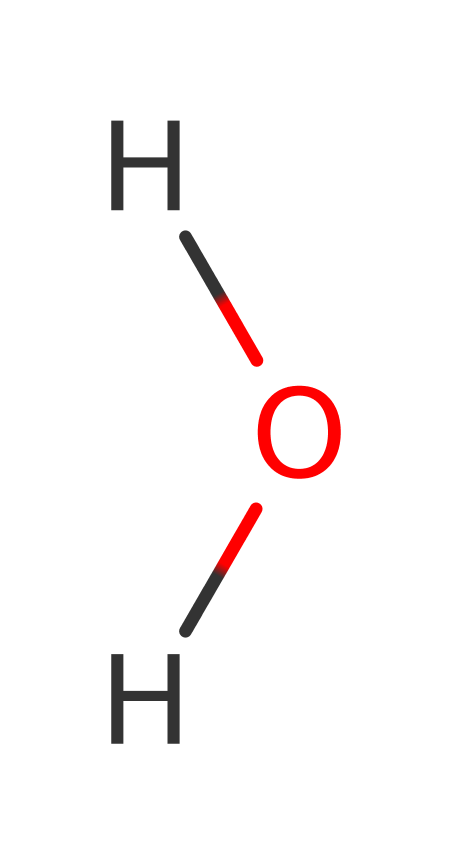
The zinc peptidase catalyses hydrolysis of proteins. Glu 118 and Zn together act to activate a water molecule so that it can act as a nucleophile to attack the peptide substrate. This forms a tetrahedral intermediate, stabilised by "proton donation" by Tyr 133, which then collapses to release the products.
Catalytic Residues Roles
| UniProt | PDB* (1ge7) | ||
| His298, His302, Asp311 | His117A, His121A, Asp130A | Forms part of the Zinc binding site. | metal ligand |
| Glu299 | Glu118A | Acts as a general acid/base catalyst to activate the water for nucleophilic attack and facilitate collapse of the tetrahedral intermediate by proton donation. | proton shuttle (general acid/base) |
| Tyr314 | Tyr133A | Stabilises the tetrahedral intermediate. | electrostatic stabiliser |
*PDB label guide - RESx(y)B(C) - RES: Residue Name; x: Residue ID in PDB file;
y: Residue ID in PDB sequence if different from PDB file; B: PDB Chain;
C: Biological Assembly Chain if different from PDB. If label is "Not Found" it means this residue is not found in the reference PDB.
Chemical Components
References
- Hori T et al. (2001), Acta Crystallogr D Biol Crystallogr, 57, 361-368. Structure of a new `aspzincin' metalloendopeptidase fromGrifola frondosa: implications for the catalytic mechanism and substrate specificity based on several different crystal forms. DOI:10.1107/s0907444900019740. PMID:11223512.
- Ødum AS et al. (2016), J Biochem, 159, 461-470. Heterologous expression of peptidyl-Lys metallopeptidase of Armillaria mellea and mutagenic analysis of the recombinant peptidase. DOI:10.1093/jb/mvv115. PMID:26572161.

Catalytic Residues Roles
| Residue | Roles |
|---|---|
| Glu118A | proton shuttle (general acid/base) |
| Tyr133A | electrostatic stabiliser |
| His117A | metal ligand |
| His121A | metal ligand |
| Asp130A | metal ligand |