Formyltetrahydrofolate dehydrogenase
10-Formyltetrahydrofolate dehydrogenase (FDH) converts 10-formyltetrahydrofolate, a precursor for nucleotide biosynthesis, to tetrahydrofolate. FDH comprises two domains: a hydrolase domain that hydrolyses the formyl group off the substrate, and a dehydrogenase domain that reduces the formyl group to carbon dioxide. FDH is an component of a folate metabolism pathway, with a possible role in control of folate levels and cross-talk between purine and thymidine synthesis pathways. Pathogenically, studies imply that FDH may possess a growth-regulatory function and that cancer cells lower FDH expression to enhance proliferation.
Reference Protein and Structure
- Sequence
-
P28037
 (1.5.1.6)
 (Sequence Homologues)
(PDB Homologues)
(Sequence Homologues)
(PDB Homologues)
- Biological species
-
Rattus norvegicus (Norway rat)
- PDB
-
1s3i
- Crystal structure of the N terminal hydrolase domain of 10-formyltetrahydrofolate dehydrogenase
(2.3 Å)



- Catalytic CATH Domains
-
3.40.50.170
 (see all for 1s3i)
Enzyme Reaction (EC:1.5.1.6)






Enzyme Mechanism
Introduction
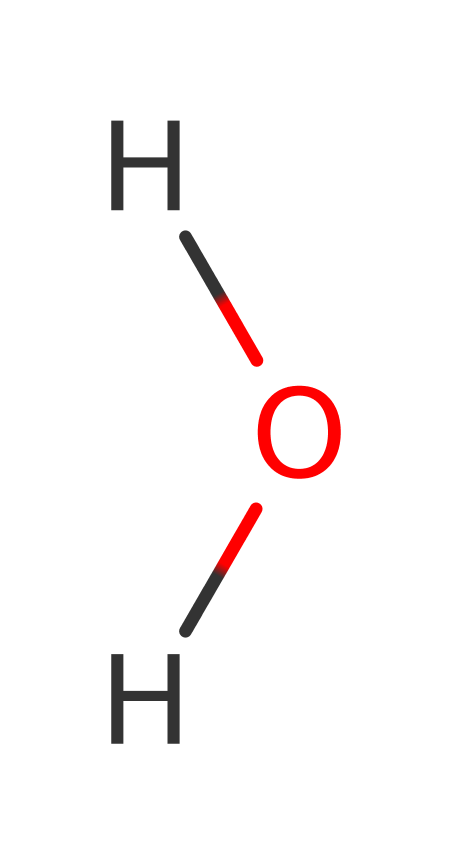
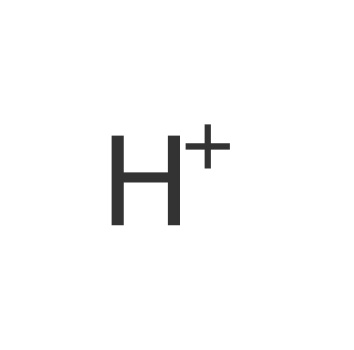
A water molecule is polarised by Asp 142, facilitating a nucleophilic attack at the carbonyl carbon of formyl-THF. A proton of this polarised water is picked up by the folate N10 lone pair. This generates an intermediate comprising a quarternary amine adjacent to a tetrahedral carbon centre, in which the charge of the oxyanion is stabilised by His 106, whereas Asp 142 stabilises that of the cationic nitrogen. The intermediate then collapses to form the products, THF and formate. The formate is then passed on to the dehydrogenase domain for detoxification.
Catalytic Residues Roles
| UniProt | PDB* (1s3i) | ||
| Cys707 | Not found | Cys707 is crucial for the dehydrogenase mechanism as it acts as a catalytic nucleophile. | |
| His106 | His106A | The imidazolium ring of His 106 is an oxyanion hole, stabilising the transition states and intermediates by hydrogen bonding to the oxygen atom of the formyl gorup. | electrostatic stabiliser |
| Asp142 | Asp142A | Asp 142 activates a water molecule so that it can attack the formyl group of the substrate and also protonate the amine group. Asp 142 also stabilises the positive charge on the quaternary amine formed in transition states and | electrostatic stabiliser |
Chemical Components
References
- Chumanevich AA et al. (2004), J Biol Chem, 279, 14355-14364. The Crystal Structure of the Hydrolase Domain of 10-Formyltetrahydrofolate Dehydrogenase: MECHANISM OF HYDROLYSIS AND ITS INTERPLAY WITH THE DEHYDROGENASE DOMAIN. DOI:10.1074/jbc.m313934200. PMID:14729668.
- Krupenko SA et al. (2001), J Biol Chem, 276, 24030-24037. On the Role of Conserved Histidine 106 in 10-Formyltetrahydrofolate Dehydrogenase Catalysis: CONNECTION BETWEEN HYDROLASE AND DEHYDROGENASE MECHANISMS. DOI:10.1074/jbc.m009257200. PMID:11320079.
- Krupenko SA et al. (1999), J Biol Chem, 274, 35777-35784. Aspartate 142 Is Involved in Both Hydrolase and Dehydrogenase Catalytic Centers of 10-Formyltetrahydrofolate Dehydrogenase. DOI:10.1074/jbc.274.50.35777. PMID:10585460.
- Krupenko SA et al. (1995), J Biol Chem, 270, 519-522. Cysteine 707 Is Involved in the Dehydrogenase Active Site of Rat 10-Formyltetrahydrofolate Dehydrogenase. DOI:10.1074/jbc.270.2.519.

Catalytic Residues Roles
| Residue | Roles |
|---|---|
| Asp142A | electrostatic stabiliser |
| His106A | electrostatic stabiliser |