Cytochrome-c peroxidase (di-heme type)
Cytochrome c peroxidase (CCP) catalyses the reduction of hydrogen peroxide to water, an important step in the cellular detoxification process. Two cytochrome c molecules serve as the electron donors. Di-heme CCPs are found in bacteria including Pseudomonas aeruginosa, Paracoccus denitrificans and Pseudomonas nautica. The overall reaction is: 2 cyt c (Fe2+) + H2O2 -> 2 cyt c (Fe3+) + 2 H2O. The enzyme has two heme cofactors, referred to as high and low potential hemes (HP heme and LP heme), located in the C and N terminal domains respectively. The enzyme requires Ca2+ for activation; calcium causes structural changes and removal of a heme ligand, allowing peroxide approach.
Reference Protein and Structure
- Sequence
-
P83787

 (Sequence Homologues)
(PDB Homologues)
(Sequence Homologues)
(PDB Homologues)
- Biological species
-
Marinobacter hydrocarbonoclasticus (Bacteria)
- PDB
-
1nml
- Di-haemic Cytochrome c Peroxidase from Pseudomonas nautica 617, form IN (pH 4.0)
(2.2 Å)



- Catalytic CATH Domains
-
1.10.760.10
 (see all for 1nml)
- Cofactors
- Heme b (2)
Enzyme Reaction (EC:1.11.1.5)


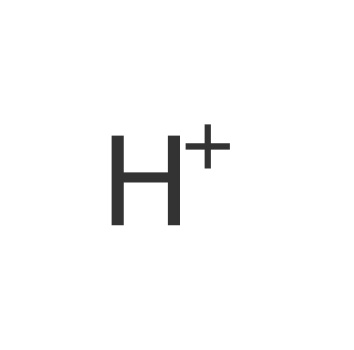

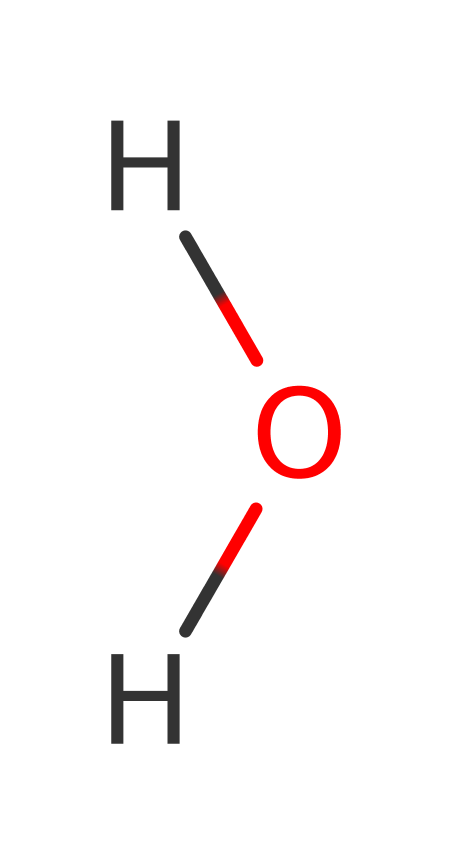


Enzyme Mechanism
Introduction
The mechanism is not yet clearly understood, but a mechanism using a oxo-ferryl intermediate is consistent with spectroscopic, mutagenic and structural evidence. LP heme is the peroxidatic heme, and HP heme is the route of electron transfer from the cytochromes to the LP heme. Trp 94 is likely to function as an electron transfer residue, connecting the propionate groups of the two heme cofactors. The most supported model for the redox mechanism is: The inactive form of the enzyme has no calcium, HP heme with Fe(III) in high / low spin equilibrium, and LP heme with low spin Fe(III). Calcium binds; cytochrome c delivers an electron to HP heme which becomes low spin with Fe(II). The enzyme is now activated. Hydrogen peroxide binds to LP heme. Glu 114 acts as an acid/base catalyst to transfer one of the protons of H2O2 to the other oxygen atom, thus encouraging O-O bond cleavage and loss of water. An LP heme Fe(IV)=O oxo-ferryl species is formed. HP heme is oxidised to Fe(III). A second cytochrome c delivers an electron to LP heme (via HP heme and Trp 94); along with two protons (method of proton delivery not known), this reduces the Fe(IV)=O into Fe(III) and water. A third cytochrome c delivers an electron to HP heme, reducing its Fe(III) into Fe(II). The enzyme is now back in the active mixed valence form.
Catalytic Residues Roles
| UniProt | PDB* (1nml) | ||
| Glu114 | Glu114A | Glu 114 may act to promote cleavage of the peroxide O-O bond, by facilitating proton transfer from one oxygen of the substrate to the other. | proton shuttle (general acid/base) |
Chemical Components
References
- De Smet L et al. (2006), J Biol Chem, 281, 4371-4379. Structural and Mutagenesis Studies on the Cytochrome c Peroxidase from Rhodobacter capsulatus Provide New Insights into Structure-Function Relationships of Bacterial Di-heme Peroxidases. DOI:10.1074/jbc.m509582200. PMID:16314410.
- Bewley KD et al. (2013), Biochim Biophys Acta, 1827, 938-948. Multi-heme proteins: nature's electronic multi-purpose tool. DOI:10.1016/j.bbabio.2013.03.010. PMID:23558243.
- Dias JM et al. (2004), Structure, 12, 961-973. Structural Basis for the Mechanism of Ca2+ Activation of the Di-Heme Cytochrome c Peroxidase from Pseudomonas nautica 617. DOI:10.1016/j.str.2004.03.025. PMID:15274917.
- Gajhede M et al. (1997), Nat Struct Biol, 4, 1032-1038. Crystal structure of horseradish peroxidase C at 2.15 Å resolution. DOI:10.1038/nsb1297-1032. PMID:9406554.
- Wang JM et al. (1990), Biochemistry, 29, 7160-7173. X-ray structures of recombinant yeast cytochrome c peroxidase and three heme-cleft mutants prepared by site-directed mutagenesis. DOI:10.1021/bi00483a003. PMID:2169873.
- Edwards SL et al. (1987), Biochemistry, 26, 1503-1511. Crystal structure of cytochrome c peroxidase compound I. DOI:10.1021/bi00380a002. PMID:3036202.

Catalytic Residues Roles
| Residue | Roles |
|---|---|
| Glu114A | proton shuttle (general acid/base) |