Diisopropyl-fluorophosphatase
Diisopropylfluorophosphatase is a calcium metalloenzyme that catalyses the hydrolysis of diisopropyl fluorophosphate and related acetylcholinesterase inhibitors. The potential for this enzyme to detoxify nerve agents used in chemical warfare such as DFP, sarin and tabun. Only this enzyme and one other are expressed in sufficiently high yields.
Reference Protein and Structure
- Sequence
-
Q7SIG4
 (3.1.8.2)
 (Sequence Homologues)
(PDB Homologues)
(Sequence Homologues)
(PDB Homologues)
- Biological species
-
Loligo vulgaris (Common European squid)
- PDB
-
1e1a
- Crystal structure of DFPase from Loligo vulgaris
(1.8 Å)



- Catalytic CATH Domains
-
2.120.10.30
 (see all for 1e1a)
- Cofactors
- Calcium(2+) (1)
Enzyme Reaction (EC:3.1.8.2)


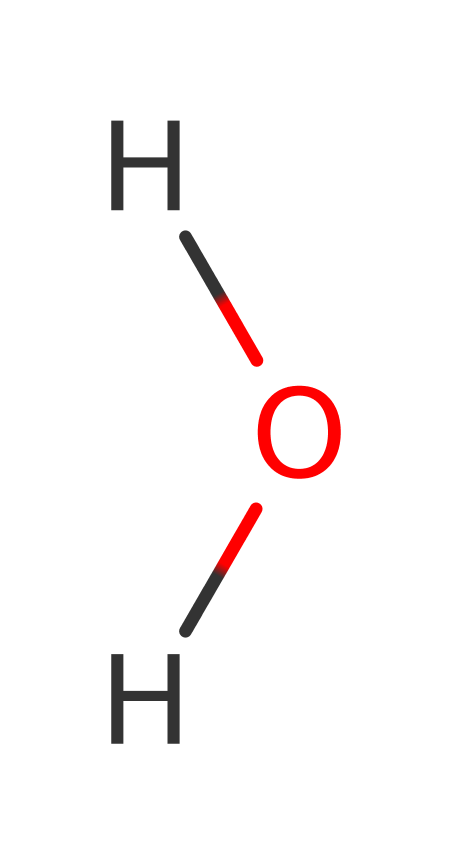


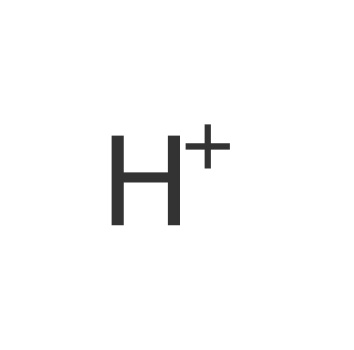


Enzyme Mechanism
Introduction
This mechanism involves the direct nucleophilic attack of Asp229 to the phosphate. The covalent intermediate formed is then hydrolyzed by a water molecule which is activated by Glu21.
Catalytic Residues Roles
| UniProt | PDB* (1e1a) | ||
| Asp229 | Asp229A | Directly attacks the phosphate group forming an intermediate. | covalently attached, nucleophile, metal ligand, electrofuge, electrophile |
| Glu21 | Glu21A | Activates a water molecule which hydrolyzes the intermediate. | increase nucleophilicity, metal ligand, proton acceptor |
| Asn120, Asn175 | Asn120A, Asn175A | Metal binding residues | metal ligand |
Chemical Components
overall reactant used, overall product formed, intermediate formation, bimolecular nucleophilic substitution, intermediate terminated, proton transferReferences
- Blum MM et al. (2006), J Am Chem Soc, 128, 12750-12757. Binding of a designed substrate analogue to diisopropyl fluorophosphatase: implications for the phosphotriesterase mechanism. DOI:10.1021/ja061887n. PMID:17002369.
- Purg M et al. (2017), J Am Chem Soc, 139, 17533-17546. Similar Active Sites and Mechanisms Do Not Lead to Cross-Promiscuity in Organophosphate Hydrolysis: Implications for Biotherapeutic Engineering. DOI:10.1021/jacs.7b09384. PMID:29113434.

Step 1. Asp229 performs a nucleophilic attack on the phosphate causing the F-P bond to be cleaved and an intermediate to be formed.
Download: Image, Marvin FileCatalytic Residues Roles
| Residue | Roles |
|---|---|
| Glu21A | metal ligand |
| Asn120A | metal ligand |
| Asn175A | metal ligand |
| Asp229A | metal ligand |
| Asp229A | covalently attached |
| Asp229A | nucleophile |
Chemical Components
overall reactant used, overall product formed, intermediate formation, ingold: bimolecular nucleophilic substitution
Step 2. Glu21 activates a water molecule for nucleophilic attack on Asp229. This causes the bond between Asp229 and the phosphate to be broken.
Download: Image, Marvin FileCatalytic Residues Roles
| Residue | Roles |
|---|---|
| Glu21A | metal ligand |
| Asn120A | metal ligand |
| Asn175A | metal ligand |
| Asp229A | metal ligand |
| Glu21A | increase nucleophilicity |
| Glu21A | proton acceptor |
| Asp229A | electrophile, electrofuge |
Chemical Components
overall product formed, intermediate terminated, proton transfer, ingold: bimolecular nucleophilic substitution Download:
 Introduction
More recent proposals suggest the catalytic base involved in activating the nucleophilic water is Asp229 rather than the histidine for the one step mechanism. The activated water water then causes a single step substitution reaction similarly to the first proposal.
Catalytic Residues Roles
| UniProt | PDB* (1e1a) | ||
| Asp229 | Asp229A | Activates water for nucleophilic attack. | increase nucleophilicity, metal ligand, proton acceptor |
| Glu21, Asn120, Asn175 | Glu21A, Asn120A, Asn175A | Metal binding residues | metal ligand |
Chemical Components
proton transfer, bimolecular nucleophilic substitution, overall product formed, overall reactant usedReferences
- Blum MM et al. (2006), J Am Chem Soc, 128, 12750-12757. Binding of a designed substrate analogue to diisopropyl fluorophosphatase: implications for the phosphotriesterase mechanism. DOI:10.1021/ja061887n. PMID:17002369.
- Purg M et al. (2017), J Am Chem Soc, 139, 17533-17546. Similar Active Sites and Mechanisms Do Not Lead to Cross-Promiscuity in Organophosphate Hydrolysis: Implications for Biotherapeutic Engineering. DOI:10.1021/jacs.7b09384. PMID:29113434.

Step 1. Asp229 activates a water molecule for nucleophilic attack on the phosphate causing the F-P bond to be cleaved in a substitution reaction.
Download: Image, Marvin FileCatalytic Residues Roles
| Residue | Roles |
|---|---|
| Glu21A | metal ligand |
| Asn120A | metal ligand |
| Asn175A | metal ligand |
| Asp229A | metal ligand |
| Asp229A | increase nucleophilicity |
| Asp229A | proton acceptor |
Chemical Components
proton transfer, ingold: bimolecular nucleophilic substitution, overall product formed, overall reactant used Download:
 Introduction
The mechanism of diisopropylfluorophosphatase relies on an extensive hydrogen-bonding network of electrostatic interactions within the active site tunnel. The substrate binds the calcium ion which increases the partial positive charge on the phosphorous atom to facilitate nucleophilic attack by the hydrolytic water molecule. The water is itself activated by hydrophobic interactions, particularly from His 287 which can also activate the water molecule for nucleophilic attack by proton abstraction acting as a general base catalyst. His 287 is itself activated by Glu 37. Cleavage of the bond follows via a trigonal bipyramidal transition state, stabilised by calcium and the hydrophobic nature of the pocket and the hydrolysed substrate detaches with loss of the fluoride ion.
Catalytic Residues Roles
| UniProt | PDB* (1e1a) | ||
| His287 | His287A | Activates water for nucleophilic attack by acting as a general base catalyst. | increase nucleophilicity, proton acceptor |
| Glu37 | Glu37A | Activates His 287. | increase basicity, electrostatic stabiliser |
Chemical Components
proton transfer, overall product formed, overall reactant used, bimolecular nucleophilic substitutionReferences
- Hartleib J et al. (2001), Biochim Biophys Acta, 1546, 312-324. Insights into the reaction mechanism of the diisopropyl fluorophosphatase from Loligo vulgaris by means of kinetic studies, chemical modification and site-directed mutagenesis. DOI:10.1016/s0167-4838(01)00153-4. PMID:11295437.
- Katsemi V et al. (2005), Biochemistry, 44, 9022-9033. Mutational and Structural Studies of the Diisopropylfluorophosphatase fromLoligo vulgarisShed New Light on the Catalytic Mechanism of the Enzyme†. DOI:10.1021/bi0500675. PMID:15966726.
- Koepke J et al. (2003), Acta Crystallogr D Biol Crystallogr, 59, 1744-1754. Statistical analysis of crystallographic data obtained from squid ganglion DFPase at 0.85 Å resolution. DOI:10.1107/s0907444903016135. PMID:14501113.
- Scharff EI et al. (2001), Structure, 9, 493-502. Crystal structure of diisopropylfluorophosphatase from Loligo vulgaris. DOI:10.1016/s0969-2126(01)00610-4. PMID:11435114.
- Hartleib J et al. (2001), Biochem J, 353, 579-589. Role of calcium ions in the structure and function of thedi-isopropylfluorophosphatase from Loligo vulgaris. DOI:10.1042/bj3530579. PMID:11171055.

Step 1. His287 activates a water molecule for nucleophilic attack on the phosphate causing the F-P bond to be cleaved in a substitution reaction. His287 is itself activated by Glu37.
Download: Image, Marvin FileCatalytic Residues Roles
| Residue | Roles |
|---|---|
| Glu21A | metal ligand |
| Asn120A | metal ligand |
| Asn175A | metal ligand |
| Asp229A | metal ligand |
| Glu37A | electrostatic stabiliser |
| Glu37A | increase basicity |
| His287A | increase nucleophilicity, proton acceptor |
 Download: