Pectinesterase
Pectin methylesterases catalyse pectin deesterification by converting methyl-D-galactopyranosol residues of pectin to carboxylates and methanol. These enzymes have a role in plant cell wall metabolism.
Reference Protein and Structure
- Sequence
-
P83218
 (3.1.1.11)
 (Sequence Homologues)
(PDB Homologues)
(Sequence Homologues)
(PDB Homologues)
- Biological species
-
Daucus carota (Carrot)
- PDB
-
1gq8
- Pectin methylesterase from Carrot
(1.75 Å)



- Catalytic CATH Domains
-
2.160.20.10
 (see all for 1gq8)
Enzyme Reaction (EC:3.1.1.11)
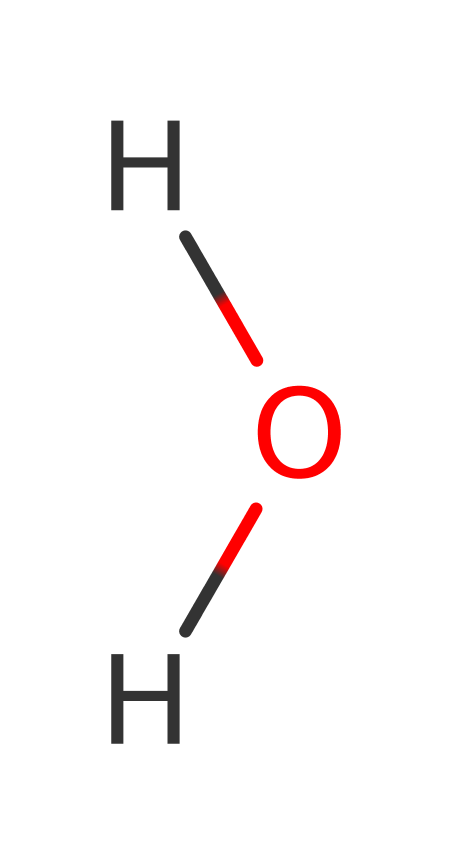


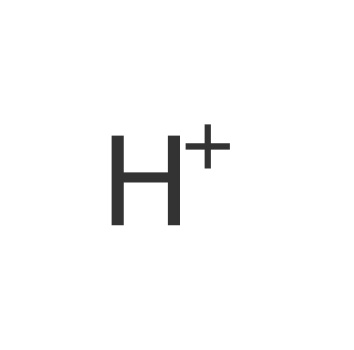


Enzyme Mechanism
Introduction
Pectin methylesterases hydrolyse the ester bond of methylated galacturonid units - this produces a polymer and methanol. Asp 157 is the nucleophile for the attack on the carboxymethyl carbonyl carbon. A negatively-charged tetrahedral intermediate is then stabilised by the anion hole formed by Gln 113 and Gln 135. Asp 136 acts as a general acid catalyst in the first cleavage step where methanol is leaving. Then it acts as a general base catalyst in extracting a base from an incoming water molecule to active the water for nucleophilic attack in restoring the acyl-enzyme intermediate to the original state by cleavage of the covalent bond between Asp 157 and the substrate.
Catalytic Residues Roles
| UniProt | PDB* (1gq8) | ||
| Arg225 | Arg225A | Stabilizes Asp157 allowing it to perform the nucleophilic attack. | electrostatic stabiliser |
| Gln113 | Gln113A | Forms part of the anion hole to stabilise the transition state. | electrostatic stabiliser |
| Gln135 | Gln135A | Forms part of the anion hole involved in stabilising the tetrahedral transition state. | electrostatic stabiliser |
| Asp136 | Asp136A | Acts as a general acid catalyst in the first cleavage step, then acts as a general base catalyst in activating water by proton abstraction for nucleophilic attack. | increase nucleophilicity, proton acceptor, proton donor |
| Asp157 | Asp157A | Acts as a nucleophile for attack of the carboxymethyl carbonyl carbon of the substrate. | covalently attached, nucleofuge, nucleophile |
Chemical Components
overall reactant used, intermediate formation, bimolecular nucleophilic addition, unimolecular elimination by the conjugate base, proton transfer, native state of enzyme regenerated, intermediate terminated, overall product formedReferences
- Johansson K et al. (2002), FEBS Lett, 514, 243-249. Crystal structure of plant pectin methylesterase. DOI:10.1016/s0014-5793(02)02372-4. PMID:11943159.
- Fries M et al. (2007), EMBO J, 26, 3879-3887. Molecular basis of the activity of the phytopathogen pectin methylesterase. DOI:10.1038/sj.emboj.7601816. PMID:17717531.

Step 1. Asp157 performs a nucleophilic attack on the carbonyl carbon this forms an oxyanion intermediate which can be stabilized by Gln113 and Gln135.
Download: Image, Marvin FileCatalytic Residues Roles
| Residue | Roles |
|---|---|
| Gln113A | electrostatic stabiliser |
| Gln135A | electrostatic stabiliser |
| Asp157A | covalently attached |
| Arg225A | electrostatic stabiliser |
| Asp157A | nucleophile |
Chemical Components
overall reactant used, intermediate formation, ingold: bimolecular nucleophilic addition
Step 2. The tetrahedral intermediate collapses with Asp136 acting as an acid promoting the elimination of methanol.
Download: Image, Marvin FileCatalytic Residues Roles
| Residue | Roles |
|---|---|
| Gln135A | electrostatic stabiliser |
| Arg225A | electrostatic stabiliser |
| Gln113A | electrostatic stabiliser |
| Asp157A | covalently attached |
| Asp136A | proton donor |
Chemical Components
ingold: unimolecular elimination by the conjugate base, proton transfer
Step 3. Asp136 now acts as a base in order to activate a water molecule for nucleophilic attack on the carbonyl carbon forming a second oxyanion intermediate.
Download: Image, Marvin FileCatalytic Residues Roles
| Residue | Roles |
|---|---|
| Gln113A | electrostatic stabiliser |
| Gln135A | electrostatic stabiliser |
| Arg225A | electrostatic stabiliser |
| Asp157A | covalently attached |
| Asp136A | increase nucleophilicity |
| Asp136A | proton acceptor |
Chemical Components
ingold: bimolecular nucleophilic addition, proton transfer
Step 4. Asp157 is then eliminated from the intermediate and the product is formed.
Download: Image, Marvin FileCatalytic Residues Roles
| Residue | Roles |
|---|---|
| Gln113A | electrostatic stabiliser |
| Gln135A | electrostatic stabiliser |
| Arg225A | electrostatic stabiliser |
| Asp157A | nucleofuge |
 Download: