N-carbamoyl-D-amino-acid hydrolase
N-carbomyl-D-amino acid amindohydrolase (DCase) catalyses the hydrolysis of N-carbomyl-D-amino acids to the corresponding D-amino acids, which are useful in preparation of physiologically active peptides and beta-lactam antibiotics.
Reference Protein and Structure
- Sequence
-
P60327
 (3.5.1.77)
 (Sequence Homologues)
(PDB Homologues)
(Sequence Homologues)
(PDB Homologues)
- Biological species
-
Agrobacterium sp. KNK712 (Bacteria)
- PDB
-
1uf7
- Crystal structure of C171A/V236A Mutant of N-carbamyl-D-amino acid amidohydrolase complexed with N-carbamyl-D-valine
(1.9 Å)



- Catalytic CATH Domains
-
3.60.110.10
 (see all for 1uf7)
Enzyme Reaction (EC:3.5.1.77)




Enzyme Mechanism
Introduction
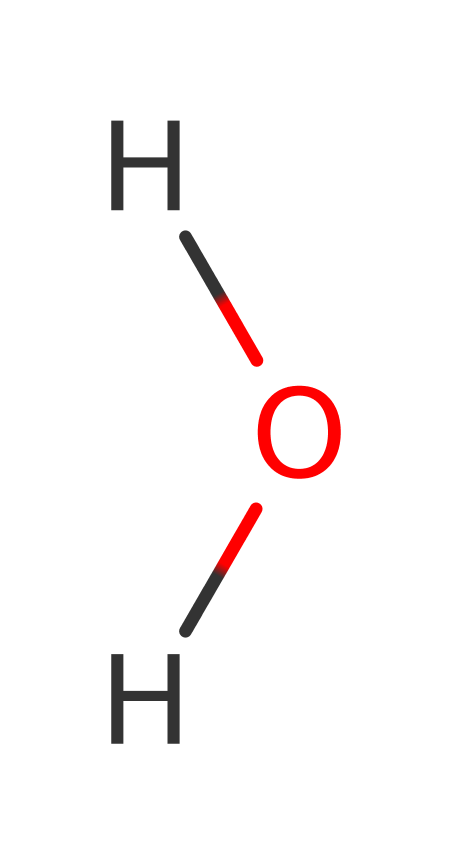
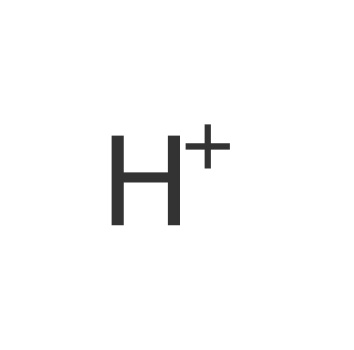
The proposed mechanism suggests that Glu46 acts as a base to deprotonate the thiol group of Cys171 to promote its nucleophilic attack on the carbonyl carbon of the substrate to form an acylenzyme intermediate and ammonia. Glu46 then protonates the leaving group and activates a water molecule to restore the enzyme from the acylenzyme intermediate. The released N-carboxy-amino acid spontaneously collapses and converts to the corresponding D-amino acid and carbon dioxide. The negatively charged transition state in the reaction is stabilised by an oxyanion hole formed by Lys126.
Catalytic Residues Roles
| UniProt | PDB* (1uf7) | ||
| Glu47 | Glu46A | It deprotonates Cys 171 to allow its nucleophilic attack on the substrate carbonyl carbon. It protonates the leaving group. It activates a water molecule to restore the enzyme from the acylenzyme intermediate. | proton shuttle (general acid/base) |
| Lys127 | Lys126A | It forms an oxyanion hole to stabilise the negatively charged transition state. | electrostatic stabiliser |
| Cys172 | Ala171A | Its thiol group acts as a nucleophile to attack the carbonyl carbon of the substrate to form an acylenzyme intermediate. | covalent catalysis, proton shuttle (general acid/base) |
Chemical Components
References
- Nakai T et al. (2000), Structure, 8, 729-738. Crystal structure of N-carbamyl-d-amino acid amidohydrolase with a novel catalytic framework common to amidohydrolases. DOI:10.1016/s0969-2126(00)00160-x. PMID:10903946.
- Grifantini R et al. (1996), J Biol Chem, 271, 9326-9331. Topological Mapping of the Cysteine Residues of N-Carbamyl-D-amino-acid Amidohydrolase and Their Role in Enzymatic Activity. DOI:10.1074/jbc.271.16.9326. PMID:8621596.

Catalytic Residues Roles
| Residue | Roles |
|---|---|
| Lys126A | electrostatic stabiliser |
| Glu46A | proton shuttle (general acid/base) |
| Ala171A | covalent catalysis, proton shuttle (general acid/base) |