Pyroglutamyl-peptidase I
Pyroglutamyl peptidase I is a cytosolic cysteine protease that cleaves cleaves N-terminal pyroglutamyl (pGlu) residues from a broad specturm of pGlu-containing peptides including thyrotropin releasing hormone (TRH), luterinizing hormone releasing hormone (LH-RH), bombesin (from the skin of reptiles), neurotensin (from mammalian brain) and the gastrins (gastric secretion stimulants). Such peptides with an N-terminal pGlu residue are resistant to degradation by conventional aminopeptidases. In the case of TRH and LH-RH this is important in protecting the hormones during their journey from the hypothalamus (where they are produced) to the pituitary gland. Pyroglutamyl peptidase I is widely found in bacteria and plants as well as in animals; in archaea and eubacteria it may have a role in detoxification/nutrient assimilation of N-terminally blocked peptides.
Reference Protein and Structure
- Sequence
-
P46107
 (3.4.19.3)
 (Sequence Homologues)
(PDB Homologues)
(Sequence Homologues)
(PDB Homologues)
- Biological species
-
Bacillus amyloliquefaciens (Bacteria)
- PDB
-
1aug
- CRYSTAL STRUCTURE OF THE PYROGLUTAMYL PEPTIDASE I FROM BACILLUS AMYLOLIQUEFACIENS
(2.0 Å)



- Catalytic CATH Domains
-
3.40.630.20
 (see all for 1aug)
Enzyme Reaction (EC:3.4.19.3)


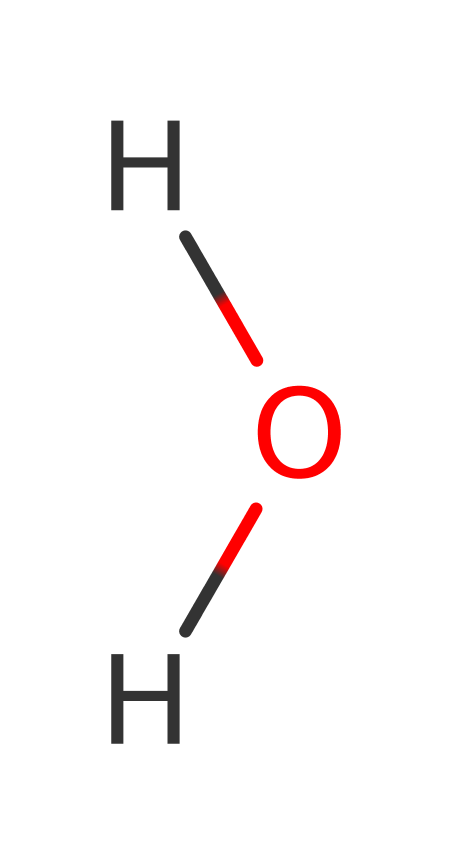


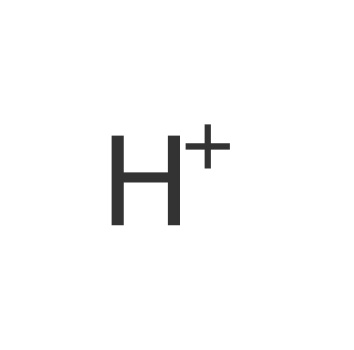


Enzyme Mechanism
Introduction
Pyroglutamyl peptidase I uses a Cys-His-Asp triad to catalyse peptide bond cleavage. Cys 144 acts as a nucleophile to attack the peptide carbonyl, while His 168 deprotonates the nucleophilic cysteine and protonates the departing leaving amine leaving group of the substrate. Later it deprotonates the water molecule that hydrolyses the acyl enzyme intermediate. Its pKa value is modified by the nearby Asp 81. Pyroglutamyl peptidase I does not a conventional oxyanion hole of two backbone NH groups; instead the tetrahedral intermediate is thought to be stabilised by the guanidinium group of Arg 91 as well as by the backbone NH of Cys 144.
Catalytic Residues Roles
| UniProt | PDB* (1aug) | ||
| Glu81 | Glu81A | Modifies pKa of His 168. | electrostatic stabiliser |
| His168 | His168A | Deprotonates the nucleophilic Cys 144. Protonates the departing amine leaving group of the tetrahedral intermediate. Deprotonates the water molecule that attacks the acyl-enzyme intermediate. | proton acceptor, proton donor |
| Cys144, Cys144 (main-N) | Cys144A, Cys144A (main-N) | Acts as a nucleophile to attack the peptide bond. Backbone NH forms part of the oxyanion hole that stabilises the tetrahedral intermediate. | nucleofuge, nucleophile, proton acceptor, proton donor |
| Arg91 | Arg91A | Side chain guanidinium group forms part of the oxyanion hole that stabilises the tetrahedral intermediate. | electrostatic stabiliser |
Chemical Components
proton transfer, bimolecular nucleophilic addition, intermediate formation, overall reactant used, rate-determining step, unimolecular elimination by the conjugate base, intermediate collapse, overall product formed, native state of enzyme regeneratedReferences
- Odagaki Y et al. (1999), Structure, 7, 399-411. The crystal structure of pyroglutamyl peptidase I from Bacillus amyloliquefaciens reveals a new structure for a cysteine protease. DOI:10.1016/s0969-2126(99)80053-7. PMID:10196127.
- Kamiya K et al. (2010), J Phys Chem B, 114, 6567-6578. Energy compensation mechanism for charge-separated protonation states in aspartate-histidine amino acid residue pairs. DOI:10.1021/jp906148m. PMID:20411975.
- Dando PM et al. (2003), Protein Expr Purif, 28, 111-119. Pyroglutamyl-peptidase I: cloning, sequencing, and characterisation of the recombinant human enzyme. DOI:10.1016/S1046-5928(02)00632-0.
- Ito K et al. (2001), J Biol Chem, 276, 18557-18562. The mechanism of aubstrate eecognition of pyroglutamyl-peptidase I from Bacillus amyloliquefaciens as determined by X-ray crystallography and site-directed mutagenesis. DOI:10.1074/jbc.M011724200. PMID:11359794.
- Le Saux O et al. (1996), J Bacteriol, 178, 3308-3313. Mutational analysis of the active site of Pseudomonas fluorescens pyrrolidone carboxyl peptidase. PMID:8655512.
- Yoshimoto T et al. (1993), J Biochem, 113, 67-73. Pyroglutamyl peptidase gene from Bacillus amyloliquefaciens: cloning, sequencing, expression, and crystallization of the expressed enzyme. PMID:8095933.

Step 1. His168 deprotonates Cys144 which activates it to attack the carbon of the carbonyl bond of the peptide bond in a nucleophilic addition.
Download: Image, Marvin FileCatalytic Residues Roles
| Residue | Roles |
|---|---|
| Glu81A | electrostatic stabiliser |
| Cys144A (main-N) | electrostatic stabiliser |
| Arg91A | electrostatic stabiliser |
| His168A | proton acceptor |
| Cys144A | nucleophile, proton donor |
Chemical Components
proton transfer, ingold: bimolecular nucleophilic addition, intermediate formation, overall reactant used, rate-determining step
Step 2. The oxyanion initiates an elimination which results in the cleavage of the peptide bond. The N-terminal product then accepts a proton from His168.
Download: Image, Marvin FileCatalytic Residues Roles
| Residue | Roles |
|---|---|
| Glu81A | electrostatic stabiliser |
| Arg91A | electrostatic stabiliser |
| Cys144A (main-N) | electrostatic stabiliser |
| His168A | proton donor |
Chemical Components
ingold: unimolecular elimination by the conjugate base, proton transfer, intermediate collapse, overall product formed
Step 3. His168 abstracts a proton from a water which activates it so that it can attack the carbon of the thioester bond in a nucleophilic addition.
Download: Image, Marvin FileCatalytic Residues Roles
| Residue | Roles |
|---|---|
| Glu81A | electrostatic stabiliser |
| Arg91A | electrostatic stabiliser |
| Cys144A (main-N) | electrostatic stabiliser |
| His168A | proton acceptor |
Chemical Components
proton transfer, ingold: bimolecular nucleophilic addition, intermediate formation, overall reactant used
Step 4. The oxyanion initiates another elimination and this results in the cleavage of the thioester bond. The released Cys144 can now accept a proton from His168 which returns the enzyme to its native state.
Download: Image, Marvin FileCatalytic Residues Roles
| Residue | Roles |
|---|---|
| Glu81A | electrostatic stabiliser |
| Arg91A | electrostatic stabiliser |
| Cys144A (main-N) | electrostatic stabiliser |
| Cys144A | proton acceptor, nucleofuge |
| His168A | proton donor |
 Download: