Phenylalanine---tRNA ligase
Phenylalanine tRNA synthase is able to catalyse the addition of a phenylalanine residue to the specific tRNA needed to transfer it to the ribosome for protein synthesis. It is a member of the Class II group of amino acid tRNA synthases, which includes Histidine and Serine specific enzymes, as opposed to the Class I group including, among others, Arginine and Lysine specific enzymes. As a consequence, it shows homology with the rest of the Class II group in the residues surrounding the ATP binding site in particular, as well as some overall structural similarity. The enzyme is unusual however because it adds the amino acid to the 2' OH group of the tRNA rather than the 3'OH, the only Class II enzyme so far discovered with this functionality. Currently, there is insufficient evidence to create an exact enzyme mechanism and verify if divalent ions such as magnesium have a role at the active site.
Reference Protein and Structure
- Sequences
-
P27001
 (6.1.1.20)
P27002 (6.1.1.20)
 (Sequence Homologues)
(PDB Homologues)
(Sequence Homologues)
(PDB Homologues)
- Biological species
-
Thermus thermophilus (Bacteria)
- PDB
-
1b7y
- PHENYLALANYL TRNA SYNTHETASE COMPLEXED WITH PHENYLALANINYL-ADENYLATE
(2.5 Å)



- Catalytic CATH Domains
-
3.30.930.10
 (see all for 1b7y)
Enzyme Reaction (EC:6.1.1.20)


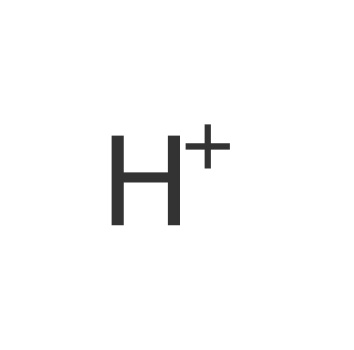


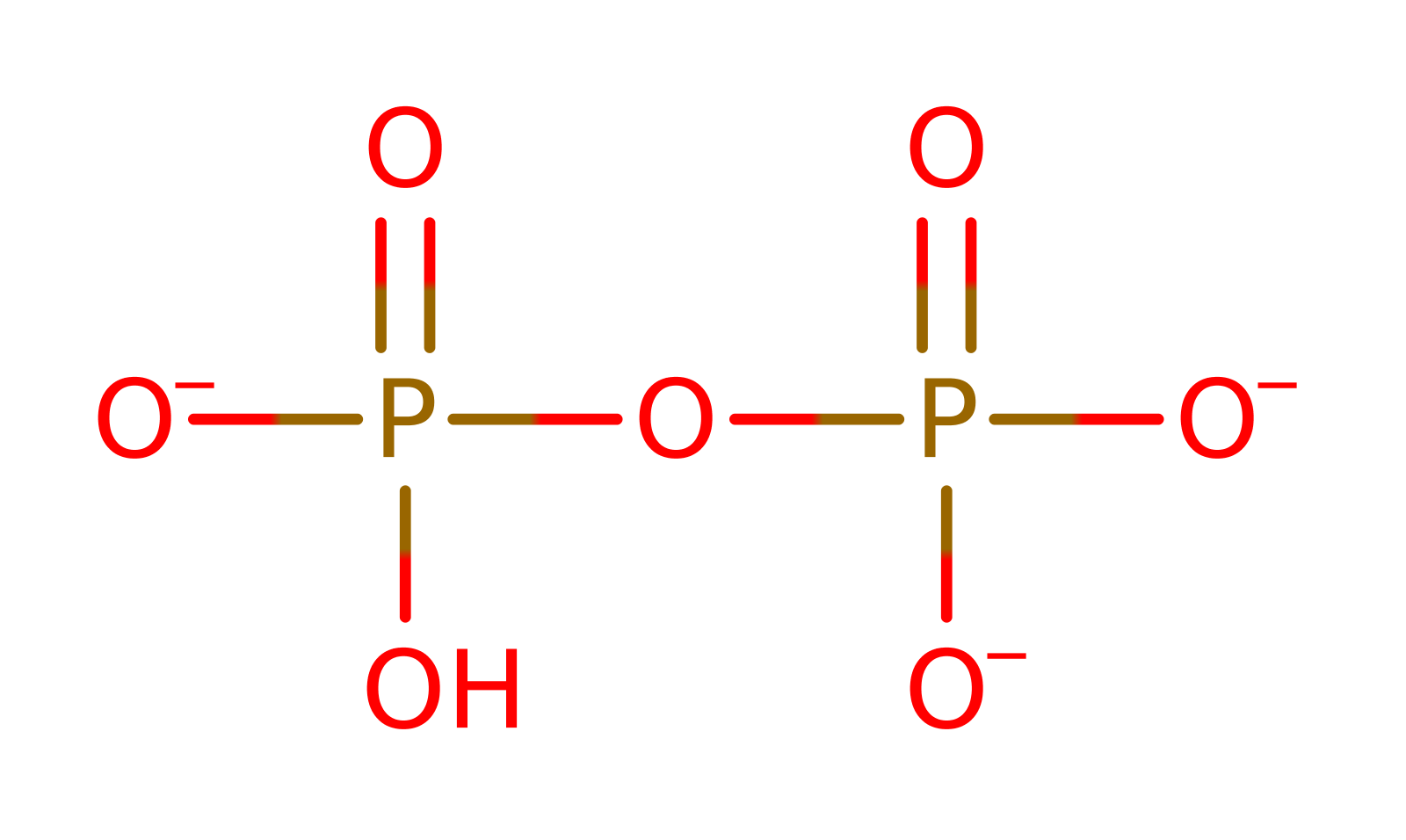


Enzyme Mechanism
Introduction
The overall reaction proceeds via two steps. In the first step, the amino acid is activated towards nucleophilic attack by the addition of an AMP molecule to its carboxylic group. This is achieved by a nucleophilic attack of the carboxylic group of the amino acid on the alpha phosphate of ATP, producing a pentavalent phosphate transition state that is stabilised by positively charged residues Arg 204, His178 and Gln 218. This structure collapses into a phenylalanyl-AMP molecule and pyrophosphate. From this position, nucleophilic attack on the amino acid's carboxylic group by the 2'OH group of the attacking tRNA results in the formation of the final product. The discrimination of the enzyme between phenylalanine and tyrosine is achieved by Ala 314 and Val 261 which promotes hydrolysis of the tyrosylAMP which is formed if tyrosine reacts.
Catalytic Residues Roles
| UniProt | PDB* (1b7y) | ||
| His178, Gln218, Trp149, Arg204 | His178A, Gln218A, Trp149A, Arg204A | The residues stabilise the negatively charged carbonyl O atom in the pentavalent phosphate transition state in the first step of the mechanism. | electrostatic stabiliser |
| Val261, Ala314 | Val261A, Ala314A | Steric hinderance from Ala 314 and Val 261 makes tyrosyl AMP subject to hydrolysis whilst favouring phenylalanyl AMP at the active site by creating a hydrophobic environment that has no space for an extra hydroxyl group in tyrosine. This ensures the specificity of the enzyme is maintained, thus increases the overall rate at which phenylalanyl-AMP can be formed. | steric role |
Chemical Components
References
- Fishman R et al. (2001), Acta Crystallogr D Biol Crystallogr, 57, 1534-1544. Structure at 2.6 Å resolution of phenylalanyl-tRNA synthetase complexed with phenylalanyl-adenylate in the presence of manganese. DOI:10.1107/S090744490101321X.
- Reshetnikova L et al. (1999), J Mol Biol, 287, 555-568. Crystal structures of phenylalanyl-tRNA synthetase complexed with phenylalanine and a phenylalanyl-adenylate analogue. DOI:10.1006/jmbi.1999.2617. PMID:10092459.

Catalytic Residues Roles
| Residue | Roles |
|---|---|
| Arg204A | electrostatic stabiliser |
| Ala314A | steric role |
| Trp149A | electrostatic stabiliser |
| His178A | electrostatic stabiliser |
| Gln218A | electrostatic stabiliser |
| Val261A | steric role |