Magnesium chelatase
Magnesium chelatase has a vital role in chlorophyll biosynthesis, using the energy from ATP hydrolysis to insert a Mg(II) ion into a porphyrin ring. It is part of a generic family of cellular ATPases known as AAA, displaying homology in particular to Cobalt Chelatase. Three subunits make up the overall protein in bacteria, BchI, BChlH and BChlD, also conserved in higher organisms. BChlI has ATPase activity and BChlH binds to the protoporphyrin group while BChlD has an regulatory allosteric role. Currently, there is limited experimental evidence to confirm a formal mechanism of magnesium chelatase with Arg 289 in BChlI being the only identifiable catalytic residue.
Reference Protein and Structure
- Sequence
-
P26239
 (6.6.1.1)
 (Sequence Homologues)
(PDB Homologues)
(Sequence Homologues)
(PDB Homologues)
- Biological species
-
Rhodobacter capsulatus SB 1003 (Bacteria)
- PDB
-
1g8p
- CRYSTAL STRUCTURE OF BCHI SUBUNIT OF MAGNESIUM CHELATASE
(2.1 Å)



- Catalytic CATH Domains
-
1.10.8.80
 (see all for 1g8p)
Enzyme Reaction (EC:6.6.1.1)






Enzyme Mechanism
Introduction
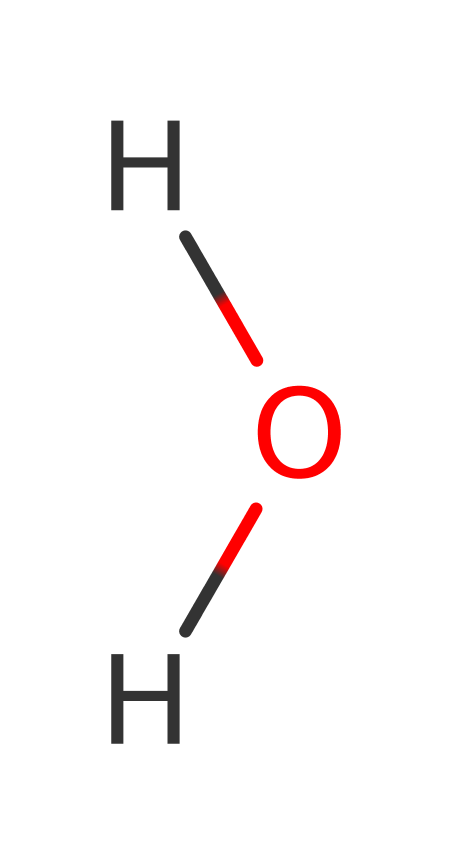
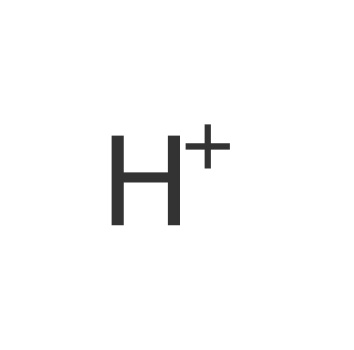
Binding of the porphyrin.BChlH complex and the Magnesium triggers the release of the ATP binding site of the BChI subunit which is able to hydrolyse ATP. The hydrolysis of ATP proceeds via the nucleophilic attack of a water molecule on the gamma phosphate, to form a pentavalent transition state stabilised by Arg 289. This collapses to release the products ADP and Pi, causing subunit motion which results in the transfer of Mg2+ to the porphyrin.
Catalytic Residues Roles
| UniProt | PDB* (1g8p) | ||
| Arg289 | Arg289A | The protonated side chain of Arg 289 acts to stabilise the pentavalent phosphate transition state through electrostatic interaction. The transition state then collapses to release the products resulting in ATP hydrolysis. | electrostatic stabiliser |
Chemical Components
References
- Fodje MN et al. (2001), J Mol Biol, 311, 111-122. Interplay between an AAA module and an integrin I domain may regulate the function of magnesium chelatase. DOI:10.1006/jmbi.2001.4834. PMID:11469861.
- Adams NB et al. (2016), FEBS Lett, 590, 1687-1693. The catalytic power of magnesium chelatase: a benchmark for the AAA(+) ATPases. DOI:10.1002/1873-3468.12214. PMID:27176620.
- Chen X et al. (2015), Nat Plants, 1, 15125-. Crystal structure of the catalytic subunit of magnesium chelatase. DOI:10.1038/nplants.2015.125. PMID:27250678.

Catalytic Residues Roles
| Residue | Roles |
|---|---|
| Arg289A | electrostatic stabiliser |