Tryptophan---tRNA ligase
Tryptophan-tRNA ligases belong to the class 1C aminoacyl-tRNA synthetases. The aminoacyl-tRNA synthetase (also known as aminoacyl-tRNA ligase) catalyse the attachment of an amino acid to its cognate transfer RNA molecule in a highly specific two-step reaction.
Reference Protein and Structure
- Sequence
-
P00953
 (6.1.1.2)
 (Sequence Homologues)
(PDB Homologues)
(Sequence Homologues)
(PDB Homologues)
- Biological species
-
Geobacillus stearothermophilus (Bacteria)
- PDB
-
1d2r
- 2.9 A CRYSTAL STRUCTURE OF LIGAND-FREE TRYPTOPHANYL-TRNA SYNTHETASE: DOMAIN MOVEMENTS FRAGMENT THE ADENINE NUCLEOTIDE BINDING SITE.
(2.9 Å)



- Catalytic CATH Domains
-
1.10.240.10
 3.40.50.620
(see all for 1d2r)
3.40.50.620
(see all for 1d2r)
- Cofactors
- Magnesium(2+) (1)
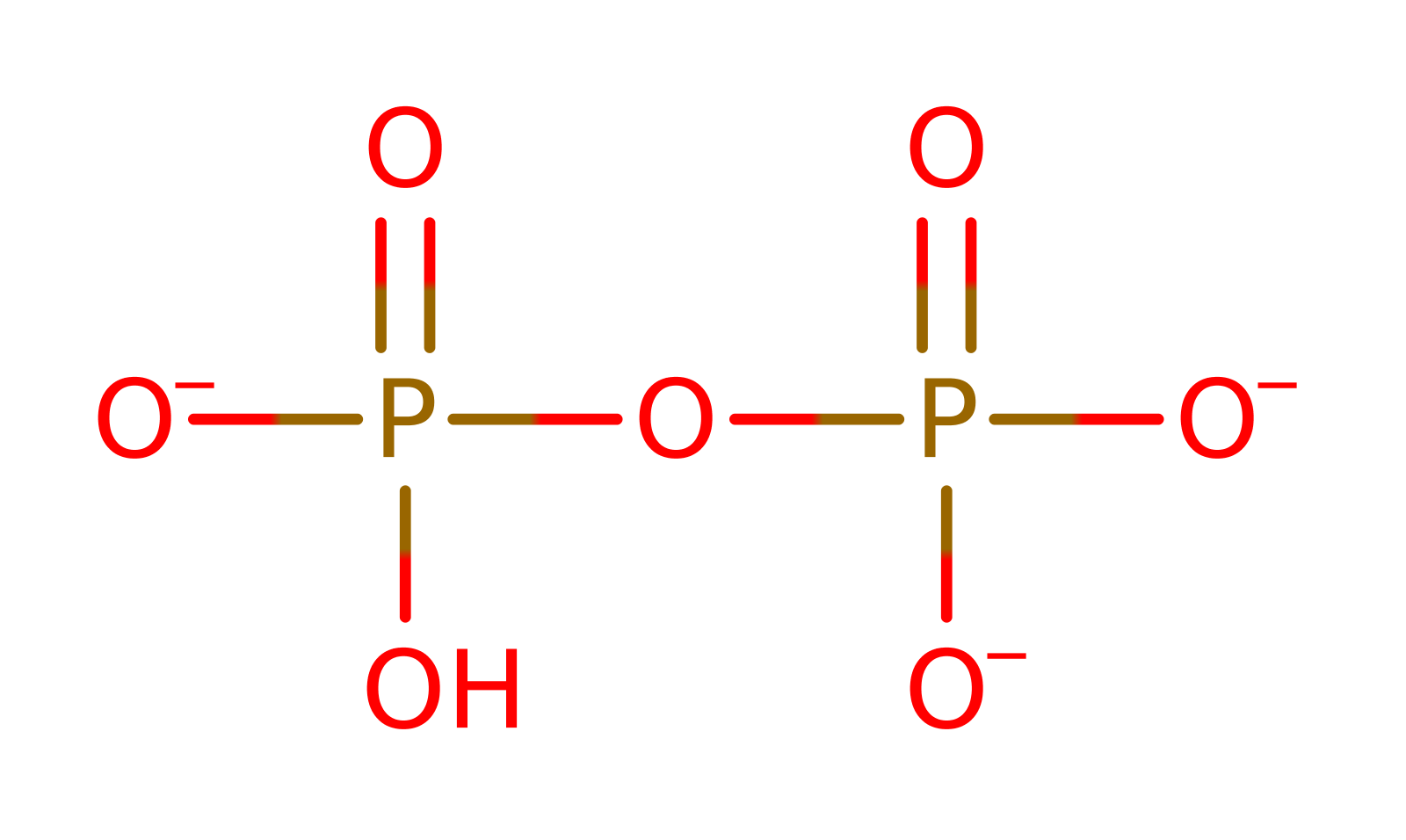
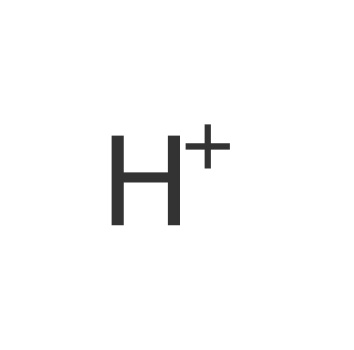
Enzyme Reaction (EC:6.1.1.2)


+

+

→

+

+
+


Alternative enzyme names: L-tryptophan-tRNA(Trp) ligase (AMP-forming), TrpRS, Tryptophan translase, Tryptophanyl ribonucleic synthetase, Tryptophanyl-tRNA synthase, Tryptophanyl-tRNA synthetase, Tryptophanyl-transfer RNA synthetase, Tryptophanyl-transfer ribonucleate synthetase, Tryptophanyl-transfer ribonucleic acid synthetase, Tryptophanyl-transfer ribonucleic synthetase,
Enzyme Mechanism
Introduction
Despite considerable investigation, the exact mechanism of this protein remains unclear. It is thought that the tryptophan substrate acts as a nucleophile (rather than a specific residue in the active site), attacking the ATP beta phosphate, eliminating the diphosphate. The AMP is then eliminated by the attack of the tRNA molecule. Active site participation seems to be limited to transition state and intermediate stabilisation.
Catalytic Residues Roles
| UniProt | PDB* (1d2r) | ||
| Lys111, Lys192, Lys195 | Lys111A, Lys192A, Lys195A | Act to stabilise the negative charge of the triphosphate group. | electrostatic stabiliser |
*PDB label guide - RESx(y)B(C) - RES: Residue Name; x: Residue ID in PDB file;
y: Residue ID in PDB sequence if different from PDB file; B: PDB Chain;
C: Biological Assembly Chain if different from PDB. If label is "Not Found" it means this residue is not found in the reference PDB.
Chemical Components
References
- Williams TL et al. (2016), J Biol Chem, 291, 255-265. Selective Inhibition of Bacterial Tryptophanyl-tRNA Synthetases by Indolmycin Is Mechanism-based. DOI:10.1074/jbc.m115.690321. PMID:26555258.
- Laowanapiban P et al. (2009), Proc Natl Acad Sci U S A, 106, 1790-1795. Independent saturation of three TrpRS subsites generates a partially assembled state similar to those observed in molecular simulations. DOI:10.1073/pnas.0812752106. PMID:19174517.
- Weinreb V et al. (2009), Structure, 17, 952-964. Mg2+-Assisted Catalysis by B. Stearothermophilus TrpRS Is Promoted by Allosteric Effects. DOI:10.1016/j.str.2009.05.007. PMID:19604475.
- Retailleau P et al. (2007), J Mol Biol, 369, 108-128. Crystal Structure of Tryptophanyl-tRNA Synthetase Complexed with Adenosine-5′ Tetraphosphate: Evidence for Distributed Use of Catalytic Binding Energy in Amino Acid Activation by Class I Aminoacyl-tRNA Synthetases. DOI:10.1016/j.jmb.2007.01.091. PMID:17428498.
- Kapustina M et al. (2007), Structure, 15, 1272-1284. A Conformational Transition State Accompanies Tryptophan Activation by B. stearothermophilus Tryptophanyl-tRNA Synthetase. DOI:10.1016/j.str.2007.08.010. PMID:17937916.
- Kapustina M et al. (2006), J Mol Biol, 362, 1159-1180. Computational Studies of Tryptophanyl-tRNA Synthetase: Activation of ATP by Induced-Fit. DOI:10.1016/j.jmb.2006.06.078. PMID:16949606.
- Retailleau P et al. (2003), J Mol Biol, 325, 39-63. Interconversion of ATP Binding and Conformational Free Energies by Tryptophanyl-tRNA Synthetase: Structures of ATP Bound to Open and Closed, Pre-Transition-state Conformations. DOI:10.1016/s0022-2836(02)01156-7. PMID:12473451.

Catalytic Residues Roles
| Residue | Roles |
|---|---|
| Lys111A | electrostatic stabiliser |
| Lys192A | electrostatic stabiliser |
| Lys195A | electrostatic stabiliser |