Astacin
Astacin, a digestive zinc-endopeptidase from the crayfish Astacus astacus, is the prototype for the 'astacin family', which includes mammalian metallo-endopeptidases and developmentally regulated proteins of human, fruit fly, frog and sea urchin, and also for the 'metzincin superfamily'.
This protease prefers to cleave in front of small aliphatic residues (P1'). The presence of Lys or Arg in the P1 and P2 position yields high-turnover substrates. In the P3 position the enzyme prefers Pro > Val > Leu > Ala > Gly.
Reference Protein and Structure
- Sequence
-
P07584
 (3.4.24.21)
 (Sequence Homologues)
(PDB Homologues)
(Sequence Homologues)
(PDB Homologues)
- Biological species
-
Astacus astacus (Broad-fingered crayfish)
- PDB
-
1ast
- STRUCTURE OF ASTACIN AND IMPLICATIONS FOR ACTIVATION OF ASTACINS AND ZINC-LIGATION OF COLLAGENASES
(1.8 Å)



- Catalytic CATH Domains
-
3.40.390.10
 (see all for 1ast)
- Cofactors
- Zinc(2+) (1)
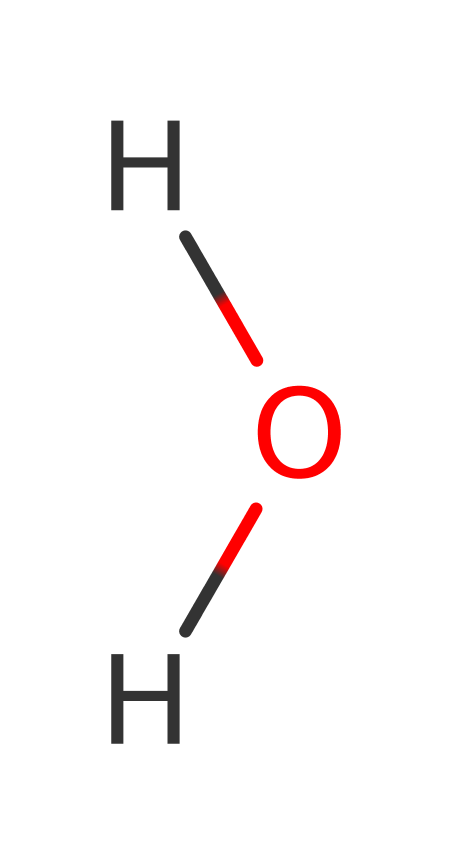
Enzyme Reaction (EC:3.4.24.21)


+
→

+


Alternative enzyme names: Astacus proteinase, Crayfish small-molecule proteinase,
Enzyme Mechanism
Introduction
A zinc-activated water molecule is deprotonated by glutamate, and then carries out a nucleophilic attack on the substrate. A tyrosine residue stabilises the transition state.
Catalytic Residues Roles
| UniProt | PDB* (1ast) | ||
| His141, His151, His145 | His92A, His102A, His96A | Forms the zinc binding site. | metal ligand |
| Tyr198 | Tyr149A | Stabilises the transition state. | transition state stabiliser |
| Glu142 | Glu93A | Deprotonates the catalytic water molecule, protonates the amide leaving group. | proton shuttle (general acid/base) |
*PDB label guide - RESx(y)B(C) - RES: Residue Name; x: Residue ID in PDB file;
y: Residue ID in PDB sequence if different from PDB file; B: PDB Chain;
C: Biological Assembly Chain if different from PDB. If label is "Not Found" it means this residue is not found in the reference PDB.
Chemical Components
References
- Guevara T et al. (2010), J Biol Chem, 285, 13958-13965. Proenzyme Structure and Activation of Astacin Metallopeptidase. DOI:10.1074/jbc.m109.097436. PMID:20202938.
- Yiallouros I et al. (2000), FEBS Lett, 484, 224-228. The roles of Glu93 and Tyr149 in astacin-like zinc peptidases. DOI:10.1016/s0014-5793(00)02163-3. PMID:11078883.
- Grams F et al. (1996), Nat Struct Biol, 3, 671-675. Structure of astacin with a transition-state analogue inhibitor. PMID:8756323.
- Rawlings ND et al. (1995), Methods Enzymol, 248, 183-228. [13] Evolutionary families of metallopeptidases. DOI:10.1016/0076-6879(95)48015-3. PMID:7674922.
- Bode W et al. (1992), Nature, 358, 164-167. Structure of astacin and implications for activation of astacins and zinc-ligation of collagenases. DOI:10.1038/358164a0. PMID:1319561.
- Stöcker W et al. (1990), Biochemistry, 29, 10418-10425. Fluorescent oligopeptide substrates for kinetic characterization of the specificity of Astacus protease. PMID:2261483.

Catalytic Residues Roles
| Residue | Roles |
|---|---|
| Glu93A | proton shuttle (general acid/base) |
| Tyr149A | transition state stabiliser |
| His92A | metal ligand |
| His96A | metal ligand |
| His102A | metal ligand |