Enoyl-CoA hydratase
Enoyl-CoA hydratase catalyses the hydration of trans-2-enoyl-CoA thiolesters to the corresponding 3(S)-hydroxyacyl-CoA compounds, the second step in the fatty acid beta-oxidation pathway. The enzymes degrade fatty acids of variable tail length from C4 up to at least C16, but the rate of the reaction decreases with increasing tail length. Enoyl-CoA hydratase is a member of the corotonase superfamily of enzymes.
Despite the thermodynamic preference for the aromatic conjugated unsaturated substrate, the enzyme has been shown to catalyse the dehydration of 3-hydroxy-3-phenylpropanoyl-CoA to cinnamoyl-CoA.
Reference Protein and Structure
- Sequence
-
P14604
 (4.2.1.17)
 (Sequence Homologues)
(PDB Homologues)
(Sequence Homologues)
(PDB Homologues)
- Biological species
-
Rattus norvegicus (Norway rat)
- PDB
-
1ey3
- STRUCTURE OF ENOYL-COA HYDRATASE COMPLEXED WITH THE SUBSTRATE DAC-COA
(2.3 Å)



- Catalytic CATH Domains
-
3.90.226.10
 (see all for 1ey3)
Enzyme Reaction (EC:4.2.1.17)


Enzyme Mechanism
Introduction
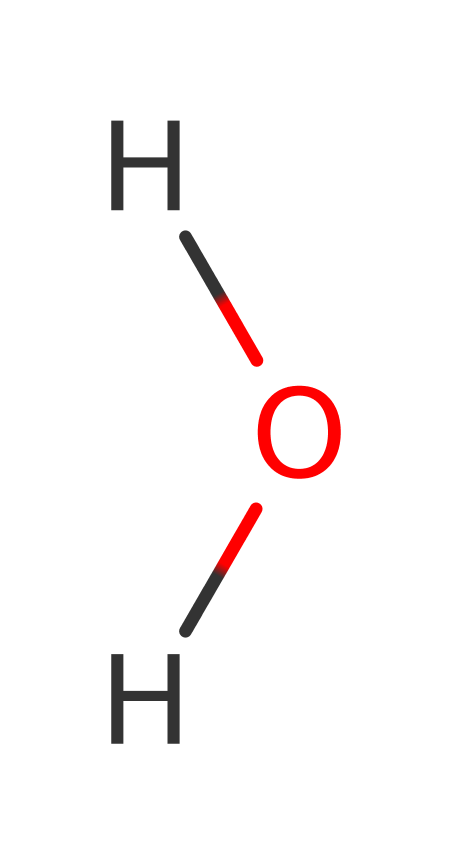
Glu164 deprotonates the catalytic water, which adds to the C3 of the substrate. The intermediate collapses and the C2 of the substrate deprotonates Glu164.
Catalytic Residues Roles
| UniProt | PDB* (1ey3) | ||
| Gly141 (main-N), Ala98 (main-N) | Gly141(109)A (main-N), Ala98(66)A (main-N) | Acts to stabilise the negatively charged transition state formed through hydrogen bonding interactions. | activator, electrostatic stabiliser |
| Glu144 | Glu144(112)A | Activates (increases the nucleophilic character) the catalytic water for addition to the C3 of the substrate. | increase basicity, hydrogen bond acceptor |
| Glu164 | Glu164(132)A | Acts as a general acid/base. Abstracts a proton from the catalytic water, and returns the proton to the C2 of the substrate. | hydrogen bond acceptor, hydrogen bond donor, proton acceptor, proton donor |
Chemical Components
proton transfer, bimolecular nucleophilic addition, overall reactant used, intermediate formation, overall product formed, native state of enzyme regenerated, intermediate terminatedReferences
- Bahnson BJ et al. (2002), Biochemistry, 41, 2621-2629. Structural Mechanism of Enoyl-CoA Hydratase: Three Atoms from a Single Water Are Added in either an E1cb Stepwise or Concerted Fashion†,‡. DOI:10.1021/bi015844p. PMID:11851409.
- Zhang Y et al. (2017), 75, 494-. Theoretical Insight into the Catalytic Mechanism of Enoyl-CoA Hydratase. DOI:10.6023/A16100559.
- Engel CK et al. (1998), J Mol Biol, 275, 847-859. The crystal structure of enoyl-CoA hydratase complexed with octanoyl-CoA reveals the structural adaptations required for binding of a long chain fatty acid-CoA molecule. DOI:10.1006/jmbi.1997.1491. PMID:9480773.

Step 1. Glu164 deprotonates the catalytic water, which adds to the C3 of the substrate.
Download: Image, Marvin FileCatalytic Residues Roles
| Residue | Roles |
|---|---|
| Glu164(132)A | hydrogen bond acceptor |
| Glu144(112)A | hydrogen bond acceptor, increase basicity |
| Gly141(109)A (main-N) | activator, electrostatic stabiliser |
| Ala98(66)A (main-N) | activator, electrostatic stabiliser |
| Glu164(132)A | proton acceptor |
Chemical Components
proton transfer, ingold: bimolecular nucleophilic addition, overall reactant used, intermediate formation
Step 2. The intermediate collapses and the C2 of the substrate deprotonates Glu164.
Download: Image, Marvin FileCatalytic Residues Roles
| Residue | Roles |
|---|---|
| Glu164(132)A | hydrogen bond donor |
| Glu144(112)A | hydrogen bond acceptor |
| Gly141(109)A (main-N) | activator, electrostatic stabiliser |
| Ala98(66)A (main-N) | activator, electrostatic stabiliser |
| Glu164(132)A | proton donor |
 Download: