Phosphonoacetaldehyde hydrolase
Phoshonoacetaldehyde hydrolase (phosphonatase) from Bacillus cereus catalyses the hydrolytic P-C bond cleavage of phosphonoacetaldehyde (Pald) to form orthophosphate and acetaldehyde. It is a process involved in metabolism in bacteria.
Reference Protein and Structure
- Sequence
-
O31156
 (3.11.1.1)
 (Sequence Homologues)
(PDB Homologues)
(Sequence Homologues)
(PDB Homologues)
- Biological species
-
Bacillus cereus (Bacteria)
- PDB
-
1rql
- Crystal Structure of Phosponoacetaldehyde Hydrolase Complexed with Magnesium and the Inhibitor Vinyl Sulfonate
(2.4 Å)



- Catalytic CATH Domains
-
3.40.50.1000
 1.10.150.240
(see all for 1rql)
1.10.150.240
(see all for 1rql)
- Cofactors
- Magnesium(2+) (1) Metal MACiE
Enzyme Reaction (EC:3.11.1.1)
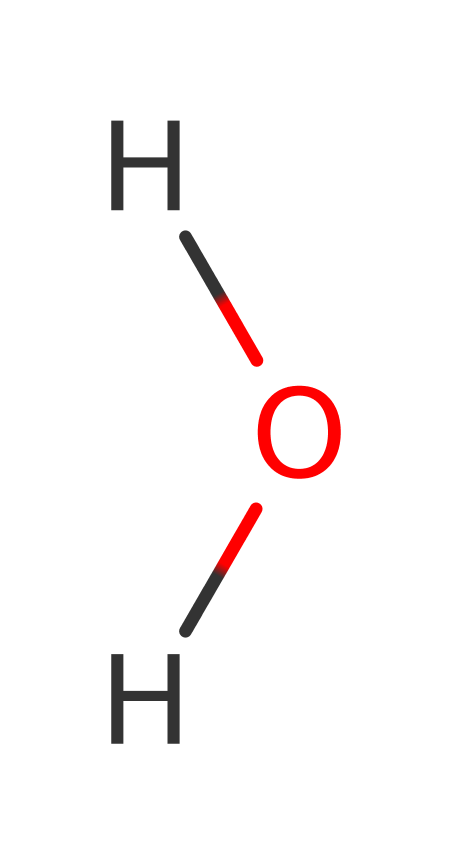


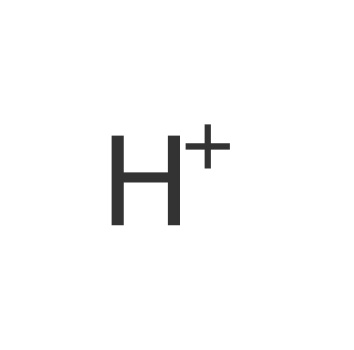


Enzyme Mechanism
Introduction
This reaction proceeds via a Schiff-base intermediate. The nitrogen atom of side-chain Lys 53 nucleophilically attacks the carbonyl of Pald. The oxygen atom is then protonated by Lys 53. An extensive hydrogen bond network between the backbone carbonyl of Ala 45, Met 49, water and His 56 increases the basicity of His 56. A second nucleophilic attack by the N atom of Lys 53 creates C=N and a leaving group hydroxide which is protonated as it leaves by a water molecule, which in turn is protonated by His 56. The side-chain oxygen atom of the carbonyl of Asp 12 then nucleophilically attacks the P atom of the substrate, breaking the C-P bond, and pushing electrons up to the N atom of Lys 53. Nucleophilic attack of Lys 53 reforms the C=N bond, causing the C2 atom to deprotonate a water molecule, activating it. This water molecule then nucleophilically attacks P, breaking the P-OAsp 12 bond and forming the orthophosphate. His 56 deprotonates a water molecule, which in turn deprotonates a second water molecule, activating it for nucleophilic attack on the C1 atom, breaking the C=N bond. The hydroxyl now attached to C1 is then deprotonated by the N atom of Lys 53. The oxygen atom attached to C1 then nucleophilically attacks the C1 atom again, this time completely breaking the C-NLys 53 bond, forming the aldehyde.
Catalytic Residues Roles
| UniProt | PDB* (1rql) | ||
| Met46 | Met49A | An extensive hydrogen bond network between Met 49, Ala 45, water and His 56 serves to increase the basicity of His 56, and facilitate proton transfer. | activator, hydrogen bond acceptor, electrostatic stabiliser |
| His53 | His56A | His 56 acts as an acid/base by donating a proton to a water molecule (leading to the protonation of a leaving group hydroxyl.) His 56 then deprotonates a water molecule, which in turn deprotonates a second water molecule, activating it for nucleophilic attack. | hydrogen bond acceptor, hydrogen bond donor, proton acceptor, proton donor |
| Arg157 | Arg160A | Stabilises the negative charge on the phosphate group | hydrogen bond donor, electrostatic stabiliser |
| Ala11 (main-C), Asp183 | Ala14A (main-C), Asp186A | Forms part of the magnesium binding site. | metal ligand |
| Ala42 (main-C) | Ala45A (main-C) | An extensive hydrogen bond network between the backbone carbonyl of Ala 45, Met 49, water and His 56 serves to increase the basicity of His 56, and facilitate proton transfer. | hydrogen bond acceptor, electrostatic stabiliser |
| Asp9 | Asp12A | The side-chain carboxyl group of Asp 12 acts as a nucleophile by attacking the P atom of the substrate. Also forms part of the magnesium binding site. | nucleophile, hydrogen bond acceptor, nucleofuge, metal ligand |
| Lys50 | Lys53A | Acts as a nucleophile and attacks the carbonyl of the substrate, and acts as an electrophile by accepting electrons from the carbon of C1. Also acts as an acid/base by initially protonating the oxygen atom attached to C1, then by deprotonating it at the end of the reaction. | covalently attached, hydrogen bond acceptor, hydrogen bond donor, nucleofuge, polar interaction, proton donor, proton acceptor, nucleophile, electron pair acceptor, electron pair donor |
Chemical Components
bimolecular nucleophilic addition, overall reactant used, enzyme-substrate complex formation, intermediate formation, proton transfer, unimolecular elimination by the conjugate base, enzyme-substrate complex cleavage, proton relay, dehydration, schiff base formed, bimolecular nucleophilic substitution, intermediate collapse, overall product formed, inferred reaction step, intermediate terminated, native state of enzyme regeneratedReferences
- Morais MC et al. (2004), J Biol Chem, 279, 9353-9361. X-ray Crystallographic and Site-directed Mutagenesis Analysis of the Mechanism of Schiff-base Formation in Phosphonoacetaldehyde Hydrolase Catalysis. DOI:10.1074/jbc.m312345200. PMID:14670958.
- Kamat SS et al. (2013), Curr Opin Chem Biol, 17, 589-596. The enzymatic conversion of phosphonates to phosphate by bacteria. DOI:10.1016/j.cbpa.2013.06.006. PMID:23830682.
- Lahiri SD et al. (2004), Biochemistry, 43, 2812-2820. Analysis of the Substrate Specificity Loop of the HAD Superfamily Cap Domain†,‡. DOI:10.1021/bi0356810. PMID:15005616.
- Zhang G et al. (2004), Biochemistry, 43, 4990-4997. Investigation of Metal Ion Binding in Phosphonoacetaldehyde Hydrolase Identifies Sequence Markers for Metal-Activated Enzymes of the HAD Enzyme Superfamily†,‡. DOI:10.1021/bi036309n. PMID:15109258.
- Morais MC et al. (2000), Biochemistry, 39, 10385-10396. The Crystal Structure ofBacillus cereusPhosphonoacetaldehyde Hydrolase: Insight into Catalysis of Phosphorus Bond Cleavage and Catalytic Diversification within the HAD Enzyme Superfamily†,‡. DOI:10.1021/bi001171j.

Step 1. Lys53 attacks the carbonyl carbon of the phosphonoacetaldehyde aldehyde in a nucleophilic addition.
Download: Image, Marvin FileCatalytic Residues Roles
| Residue | Roles |
|---|---|
| Ala14A (main-C) | metal ligand |
| Asp12A | metal ligand |
| Asp186A | metal ligand |
| His56A | hydrogen bond donor |
| Ala45A (main-C) | hydrogen bond acceptor, electrostatic stabiliser |
| Met49A | hydrogen bond acceptor, electrostatic stabiliser |
| Arg160A | hydrogen bond donor, electrostatic stabiliser |
| Asp12A | hydrogen bond acceptor |
| Lys53A | polar interaction |
| Lys53A | nucleophile |
Chemical Components
ingold: bimolecular nucleophilic addition, overall reactant used, enzyme-substrate complex formation, intermediate formation
Catalytic Residues Roles
| Residue | Roles |
|---|---|
| Ala14A (main-C) | metal ligand |
| Asp12A | metal ligand |
| Asp186A | metal ligand |
| His56A | hydrogen bond donor |
| Ala45A (main-C) | hydrogen bond acceptor, electrostatic stabiliser |
| Met49A | hydrogen bond acceptor, electrostatic stabiliser |
| Arg160A | hydrogen bond donor, electrostatic stabiliser |
| Asp12A | hydrogen bond acceptor |
| Lys53A | covalently attached, hydrogen bond donor |
| Lys53A | proton donor |
Chemical Components
proton transfer, intermediate formation
Step 3. Lys53 initiates an elimination that results in the loss of the alcohol group, which deprotonates a water which in turn deprotonates His56.
Download: Image, Marvin FileCatalytic Residues Roles
| Residue | Roles |
|---|---|
| Ala14A (main-C) | metal ligand |
| Asp12A | metal ligand |
| Asp186A | metal ligand |
| His56A | hydrogen bond donor |
| Ala45A (main-C) | hydrogen bond acceptor, electrostatic stabiliser |
| Met49A | hydrogen bond acceptor, electrostatic stabiliser |
| Arg160A | hydrogen bond donor, electrostatic stabiliser |
| Asp12A | hydrogen bond acceptor |
| Lys53A | covalently attached |
| His56A | proton donor |
| Lys53A | electron pair donor |
Chemical Components
proton transfer, ingold: unimolecular elimination by the conjugate base, enzyme-substrate complex cleavage, intermediate formation, proton relay, dehydration, schiff base formed
Step 4. Asp12 attacks the phosphate of the covalently bound intermediate in a nucleophilic substitution that cleaved the C-P bond and results in a phosphorylated Asp12 and alkylated Lys53
Download: Image, Marvin FileCatalytic Residues Roles
| Residue | Roles |
|---|---|
| His56A | hydrogen bond acceptor, hydrogen bond donor |
| Ala45A (main-C) | hydrogen bond acceptor |
| Met49A | hydrogen bond acceptor |
| Arg160A | hydrogen bond donor, electrostatic stabiliser |
| Asp12A | hydrogen bond acceptor |
| Lys53A | covalently attached |
| Ala14A (main-C) | metal ligand |
| Asp12A | metal ligand |
| Asp186A | metal ligand |
| Asp12A | nucleophile |
| Lys53A | electron pair acceptor |
Chemical Components
ingold: bimolecular nucleophilic substitution, enzyme-substrate complex formation, enzyme-substrate complex cleavage, intermediate collapse, intermediate formation
Step 5. Lys53 initiates a double bond rearrangement that causes the reduction of the C=C in the alkylated intermediate and deprotonates water. The activated water attacks the phosphate in a nucleophilic substitution that releases Asp12 and the phosphate product.
Download: Image, Marvin FileCatalytic Residues Roles
| Residue | Roles |
|---|---|
| His56A | hydrogen bond acceptor, hydrogen bond donor |
| Ala45A (main-C) | hydrogen bond acceptor |
| Met49A | hydrogen bond acceptor |
| Arg160A | hydrogen bond donor, electrostatic stabiliser |
| Asp12A | hydrogen bond acceptor |
| Lys53A | covalently attached |
| Ala14A (main-C) | metal ligand |
| Asp12A | metal ligand |
| Asp186A | metal ligand |
| Asp12A | nucleofuge |
| Lys53A | electron pair donor |
Chemical Components
proton transfer, ingold: bimolecular nucleophilic substitution, overall reactant used, enzyme-substrate complex cleavage, intermediate collapse, intermediate formation, overall product formed
Step 6. His56 deprotonates water, which deprotonates a second water, which attacks the carbon of the C=N bond in a nucleophilic addition.
Download: Image, Marvin FileCatalytic Residues Roles
| Residue | Roles |
|---|---|
| His56A | hydrogen bond acceptor, hydrogen bond donor |
| Ala45A (main-C) | hydrogen bond acceptor |
| Met49A | hydrogen bond acceptor, activator |
| Arg160A | hydrogen bond donor |
| Asp12A | hydrogen bond acceptor |
| Lys53A | covalently attached |
| Ala14A (main-C) | metal ligand |
| Asp12A | metal ligand |
| Asp186A | metal ligand |
| His56A | proton acceptor |
| Lys53A | electron pair acceptor |
Chemical Components
proton transfer, ingold: bimolecular nucleophilic addition, enzyme-substrate complex formation, intermediate formation, proton relay, inferred reaction step
Catalytic Residues Roles
| Residue | Roles |
|---|---|
| His56A | hydrogen bond donor |
| Ala45A (main-C) | hydrogen bond acceptor, electrostatic stabiliser |
| Met49A | hydrogen bond acceptor, electrostatic stabiliser |
| Arg160A | hydrogen bond donor |
| Asp12A | hydrogen bond acceptor |
| Lys53A | covalently attached, hydrogen bond acceptor |
| Ala14A (main-C) | metal ligand |
| Asp12A | metal ligand |
| Asp186A | metal ligand |
| Lys53A | proton acceptor |
Chemical Components
proton transfer, intermediate formation, inferred reaction step
Step 8. The oxyanion initiates an elimination that releases the acetaldehyde product and regenerates the active site Lys53.
Download: Image, Marvin FileCatalytic Residues Roles
| Residue | Roles |
|---|---|
| His56A | hydrogen bond donor |
| Ala45A (main-C) | hydrogen bond acceptor, electrostatic stabiliser |
| Met49A | hydrogen bond acceptor, electrostatic stabiliser |
| Arg160A | hydrogen bond donor |
| Asp12A | hydrogen bond acceptor |
| Lys53A | covalently attached |
| Ala14A (main-C) | metal ligand |
| Asp12A | metal ligand |
| Asp186A | metal ligand |
| Lys53A | nucleofuge |
 Download: