Arsenite oxidase
Arsenite oxidase oxidises arsenite (As(III)O33-)to the less toxic arsenate (As(V)O43-). The electrons produced are transferred towards the soluble periplasmic electron carriers cytochrome c and/or amicyanin. Arsenite oxidase is a heterodimeric enzyme containing a large and a small subunit. The large catalytic subunit harbours the molybdopterin cofactor (comprising two molybdopterin guanosine dinucleotide cofactors bound to molybdenum), and a [3Fe-4S] cluster; the small subunit belongs to the structural class of the Rieske proteins and contains a Rieske-type [2Fe-2S] clusters.
Reference Protein and Structure
- Sequences
-
Q7SIF4
 (1.20.9.1)
Q7SIF3 (1.20.9.1)
 (Sequence Homologues)
(PDB Homologues)
(Sequence Homologues)
(PDB Homologues)
- Biological species
-
Alcaligenes faecalis (Bacteria)
- PDB
-
1g8k
- CRYSTAL STRUCTURE ANALYSIS OF ARSENITE OXIDASE FROM ALCALIGENES FAECALIS
(1.64 Å)


- Catalytic CATH Domains
-
3.40.228.10
 3.30.200.200
2.102.10.10
(see all for 1g8k)
3.30.200.200
2.102.10.10
(see all for 1g8k)
- Cofactors
- Molybdopterin (1), Molybdenum(4+) (1), Tri-mu-sulfido-mu3-sulfido-triiron(0) (1), Di-mu-sulfido-diiron(2+) (1), Molybdopterin guanine dinucleotide (1) Metal MACiE




Enzyme Mechanism
Introduction
The arsenic of the arsenite substrate attacks one of the molybdenum coordinating oxo groups, resulting in a Mo(VI) to Mo(IV) reduction. The oxo group forms a second bond to the arsenic, forming the product arsenate and resulting in the loss of the oxo group from the molybdenum complex and the remaining oxo group binding in a much stronger interaction. An unidentified base activates water to attack the Mo(IV), forming a hydroxide group in place of the lost oxo group in a nucleophilic addition to the Mo(IV). A second unidentified base deprotonates the Mo-bound hydroxide, reforming the oxo group. This results in a single electron transfer through the pterin portion of the cofactor, main chain carbonyl of Ser238, thiolate of Cys24, an iron-sulfur cluster, the peptide bond of Ser99-Ser98, His62B, a second iron-sulfur complex and His81B and finally yields the electron to a bound azurin and resulting in Mo(V). A second single electron is transferred from Mo(V) via the same route regenerating the enzyme's Mo(VI) oxidation state.
Catalytic Residues Roles
| UniProt | PDB* (1g8k) | ||
| Ser100 (main-N), His104, Ser239 (main-C), Cys25, Ser99 (main-C), His123 | Ser99E (main-N), His62F, Ser238E (main-C), Cys24E, Ser98E (main-C), His81F | Forms the electron relay chain that transports single electrons from the active site to the bound azurin electron acceptor. | single electron relay, single electron acceptor, single electron donor, hydrogen bond donor |
Chemical Components
bimolecular nucleophilic addition, overall reactant used, cofactor used, intermediate formation, unimolecular elimination by the conjugate base, decoordination from a metal ion, intermediate collapse, overall product formed, proton transfer, coordination to a metal ion, electron transfer, native state of cofactor regenerated, electron relayReferences
- Conrads T et al. (2002), J Am Chem Soc, 124, 11276-11277. The Active Site of Arsenite Oxidase fromAlcaligenesfaecalis. DOI:10.1021/ja027684q. PMID:12236735.
- Warelow TP et al. (2017), Sci Rep, 7, 1757-. The active site structure and catalytic mechanism of arsenite oxidase. DOI:10.1038/s41598-017-01840-y. PMID:28496149.
- Hoke KR et al. (2004), Biochemistry, 43, 1667-1674. Electrochemical Studies of Arsenite Oxidase: An Unusual Example of a Highly Cooperative Two-Electron Molybdenum Center†. DOI:10.1021/bi0357154. PMID:14769044.
- Ellis PJ et al. (2001), Structure, 9, 125-132. Crystal Structure of the 100 kDa Arsenite Oxidase from Alcaligenes faecalis in Two Crystal Forms at 1.64 Å and 2.03 Å. DOI:10.1016/s0969-2126(01)00566-4. PMID:11250197.

Step 1. Arsenic of the arsenite substrate attacks one of the molybdenum coordinating oxo groups, resulting in a Mo(VI) to Mo(IV) reduction.
Download: Image, Marvin FileCatalytic Residues Roles
| Residue | Roles |
|---|---|
| Ser238E (main-C) | hydrogen bond acceptor |
| Cys24E | metal ligand |
| Ser99E (main-N) | hydrogen bond donor |
| Ser98E (main-C) | hydrogen bond acceptor |
| His62F | hydrogen bond donor, metal ligand |
| His81F | metal ligand |
Chemical Components
ingold: bimolecular nucleophilic addition, overall reactant used, cofactor used, intermediate formation
Step 2. The attacking oxo group forms a second bond to the arsenic, forming the product arsenate and resulting in the loss of the oxo group from the molybdenum complex and the remaining oxo group binding in a much stronger interaction.
Download: Image, Marvin FileCatalytic Residues Roles
| Residue | Roles |
|---|---|
| Cys24E | metal ligand |
| His81F | metal ligand |
| His62F | metal ligand |
| Ser238E (main-C) | hydrogen bond acceptor |
| Ser99E (main-N) | hydrogen bond donor |
| Ser98E (main-C) | hydrogen bond acceptor |
| His62F | hydrogen bond donor |
Chemical Components
ingold: unimolecular elimination by the conjugate base, decoordination from a metal ion, intermediate collapse, intermediate formation, overall product formed
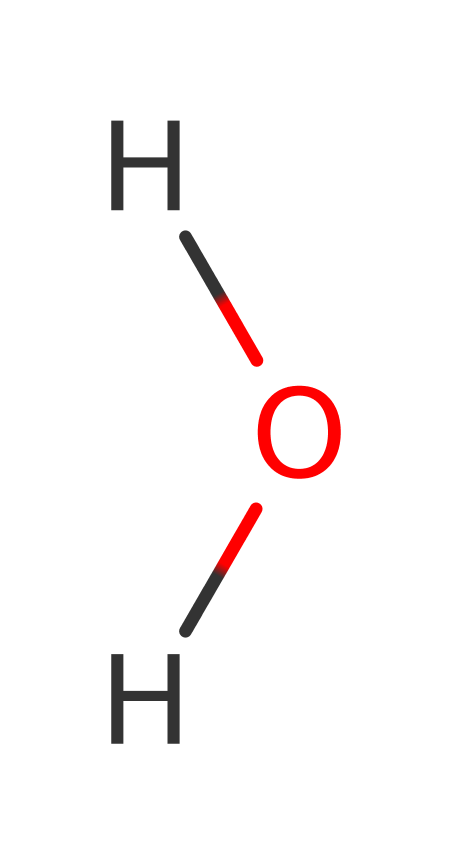
Step 3. An unidentified base (shown as water for simplicity) activates water to attack the Mo(IV), forming a hydroxide group in place of the lost oxo group in a nucleophilic addition to the Mo(IV).
Download: Image, Marvin FileCatalytic Residues Roles
| Residue | Roles |
|---|---|
| Cys24E | metal ligand |
| His81F | metal ligand |
| His62F | metal ligand |
| Ser238E (main-C) | hydrogen bond acceptor |
| Ser99E (main-N) | hydrogen bond donor |
| Ser98E (main-C) | hydrogen bond acceptor |
| His62F | hydrogen bond donor |
Chemical Components
proton transfer, ingold: bimolecular nucleophilic addition, coordination to a metal ion, intermediate formation, overall product formed
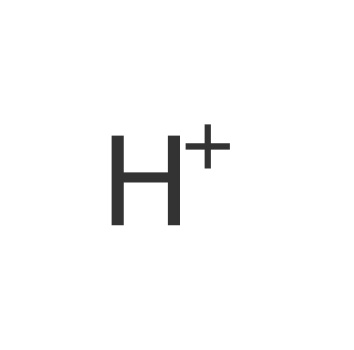
Step 4. A second unidentified base (shown as water) deprotonates the Mo-bound hydroxide, reforming the oxo group. This results in a single electron transfer through the pterin portion of the cofactor, main chain carbonyl of Ser238, thiolate of Cys24, an iron-sulfur cluster, the peptide bond of Ser99-Ser98, His62B, a second iron-sulfur complex and His81B and finally yields the electron to a bound azurin and resulting in Mo(V).
Download: Image, Marvin FileCatalytic Residues Roles
| Residue | Roles |
|---|---|
| Ser98E (main-C) | single electron acceptor |
| His81F | single electron donor |
| Cys24E | metal ligand |
| His81F | metal ligand |
| His62F | metal ligand |
| Ser238E (main-C) | hydrogen bond acceptor |
| Ser99E (main-N) | hydrogen bond donor |
| Ser98E (main-C) | hydrogen bond acceptor |
| His62F | hydrogen bond donor |
| Cys24E | single electron donor |
| His62F | single electron relay |
| His81F | single electron relay |
| His62F | single electron acceptor |
| Cys24E | single electron acceptor |
| Ser238E (main-C) | single electron donor |
| Ser99E (main-N) | single electron donor |
| Ser238E (main-C) | single electron acceptor |
| His81F | single electron acceptor |
| Cys24E | single electron relay |
| Ser98E (main-C) | single electron relay |
| Ser99E (main-N) | single electron relay |
| Ser238E (main-C) | single electron relay |
| Ser98E (main-C) | single electron donor |
| Ser99E (main-N) | single electron acceptor |
| His62F | single electron donor |
Chemical Components
proton transfer, electron transfer, overall reactant used, native state of cofactor regenerated, cofactor used, intermediate formation, electron relay
Step 5. The second single electron is transferred from Mo(V) through the pterin portion of the cofactor, main chain carbonyl of Ser238, thiolate of Cys24, an iron-sulfur cluster, the peptide bond of Ser99-Ser98, His62B, a second iron-sulfur complex and His81B and finally yields the electron to a bound azurin. This regenerates the enzyme's Mo(VI) oxidation state.
Download: Image, Marvin FileCatalytic Residues Roles
| Residue | Roles |
|---|---|
| Cys24E | metal ligand |
| His81F | metal ligand |
| His62F | metal ligand, single electron acceptor |
| Ser238E (main-C) | single electron donor |
| His81F | single electron donor |
| Ser238E (main-C) | hydrogen bond acceptor |
| Ser99E (main-N) | hydrogen bond donor |
| Ser98E (main-C) | hydrogen bond acceptor |
| His62F | hydrogen bond donor |
| His62F | single electron relay |
| His81F | single electron relay |
| Cys24E | single electron relay |
| Ser98E (main-C) | single electron relay |
| Ser99E (main-N) | single electron relay |
| Ser238E (main-C) | single electron relay |
| His62F | single electron donor |
| Ser98E (main-C) | single electron acceptor, single electron donor |
| Ser238E (main-C) | single electron acceptor |
| Ser99E (main-N) | single electron acceptor |
| Cys24E | single electron acceptor |
| His81F | single electron acceptor |
| Ser99E (main-N) | single electron donor |
| Cys24E | single electron donor |
 Download: