Parasitic worm genomes: largest-ever dataset released
New resource boosts research into worms that infect millions
- Largest collection of helminth genomic data ever assembled
- Open-access database WormBase-ParaSite launches with data on 1.5 million genes
- Contributions from helminth research community welcomed.
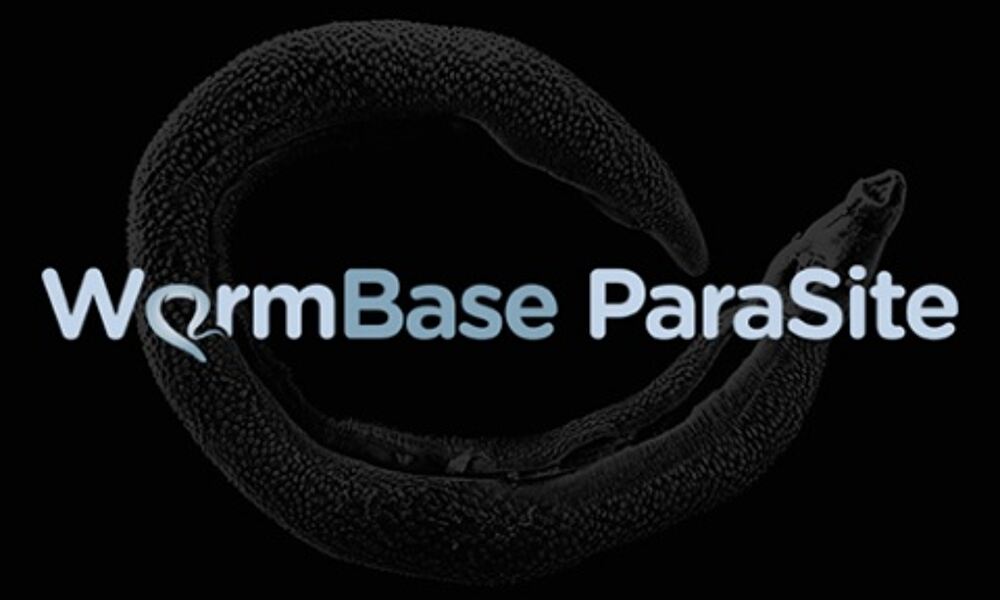
Hinxton, 26 November 2014 - The largest collection of helminth genomic data ever assembled has been published in the new, open-access WormBase-ParaSite. Developed jointly by EMBL-EBI and the Wellcome Trust Sanger Institute, this new resource will be a major asset in the fight against parasitic worms, which infect more than one billion people worldwide.
Roundworms, whipworms, hookworms and other helminths produce a disease burden that exceeds that of malaria or tuberculosis. The Helminth Genome Initiative, which has provided much of the data for the WormBase-ParaSite, is a global community of researchers dedicated to reducing this disease burden by identifying weaknesses in the worms' genetic code.
“Helminth researchers are caught in a Catch-22 situation where, because there is a lack of resources, it’s difficult to secure research funding, which means progress can be slow,” says Dr Matt Berriman, leader of the Helminth Genomics Initiative at the Sanger Institute and joint Principal Investigator for the WormBase-ParaSite project. “There’s a danger that this situation will cause a terminal decline in the field; a pretty dangerous scenario when many of these worms cause diseases that affect millions. Our hope is that this community resource will help to turn the situation around.”
The public database, which is funded the Biotechnology and Biological Sciences Research Council (BBSRC), contains 89 draft genome sequences for a total of 82 helminth species, including 30 published genomes. Of the 59 unpublished genomes, 44 were sequenced at the Sanger Institute as part of the 50 Helminth Genomes project, nine genomes were sequenced at The Genome Institute at Washington University and the remaining six were sequenced by other helminth researchers throughout the world.
WormBase-ParaSite combines these data to help researchers identify genetic similarities in different helminth species that share certain traits, such as the ability to invade through human skin. This approach will speed up the difficult, costly search for candidate genes.
"In all, the genomes in WormBase-ParaSite contain about 1.5 million genes, and we have used cutting-edge software from the Ensembl project to organise these genes into family trees”, says Dr Kevin Howe, project leader for WormBase ParaSite at EMBL-EBI. “These trees show, in high-definition, how the genes are related to each other and how they have evolved. This will allow researchers to study the genetic basis for important similarities and differences between parasitic worms on an unprecedented scale.”
Currently, many of the genomes in WormBase ParaSite are early drafts and, accordingly, highly fragmented. Contributions from the helminth research community will gradually fill these gaps as data emerges from new research, building a robust resource for future investigation.
“In human biology, we take things like access to large genomic data sets for granted. This just hasn’t been available for helminth research before now,” says Dr Paul Kersey, Team Leader at EMBL-EBI and joint Principal Investigator for WormBase-ParaSite. “This capacity-building project will catapult the field into a new era of comparative work, boosting funding and research in this crucial area.”
About WormBase-ParaSite
WormBase-ParaSite is developed by EMBL-EBI and the Wellcome Trust Sanger Institute. The website is powered by Ensembl software system for the analysis and visualisation of genomic data. The project is funded by the Biotechnology and Biological Sciences Research Council under grant numbers BB/K020080/1 and BB/K020048/1.
About EMBL-EBI
The European Bioinformatics Institute is part of EMBL, Europe’s flagship laboratory for the life sciences. EMBL-EBI provides freely available data from life science experiments covering the full spectrum of molecular biology. While we are best known for our provision of bioinformatics services, about 20 per cent of our institute is devoted to basic research. Our extensive training programme helps researchers in academia and industry to make the most of the incredible amount of data being produced every day in life science experiments. We are a non-profit, intergovernmental organisation funded by EMBL member states. Our 540 staff represent 55 nationalities, and we welcome a regular stream of visiting scientists throughout the year.
About the Wellcome Trust Sanger Institute
The Wellcome Trust Sanger Institute is one of the world's leading genome centres. Through its ability to conduct research at scale, it is able to engage in bold and long-term exploratory projects that are designed to influence and empower medical science globally. Institute research findings, generated through its own research programmes and through its leading role in international consortia, are being used to develop new diagnostics and treatments for human disease.
Edit