The multiple antibiotic resistance of methicillin-resistant strains of
Staphylococcus aureus (MRSA) has become a major clinical problem worldwide. The
key determinant of the broad-spectrum beta-lactam resistance in MRSA strains is
the penicillin-binding protein 2a (PBP2a). Because of its low affinity for
beta-lactams, PBP2a provides transpeptidase activity to allow cell wall
synthesis at beta-lactam concentrations that inhibit the beta-lactam-sensitive
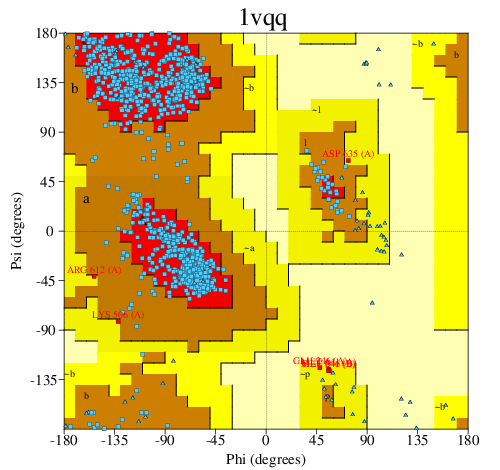
PBPs normally produced by S. aureus. The crystal structure of a soluble
derivative of PBP2a has been determined to 1.8 A resolution and provides the
highest resolution structure for a high molecular mass PBP. Additionally,
structures of the acyl-PBP complexes of PBP2a with nitrocefin, penicillin G and
methicillin allow, for the first time, a comparison of an apo and acylated
resistant PBP. An analysis of the PBP2a active site in these forms reveals the
structural basis of its resistance and identifies features in newly developed
beta-lactams that are likely important for high affinity binding.